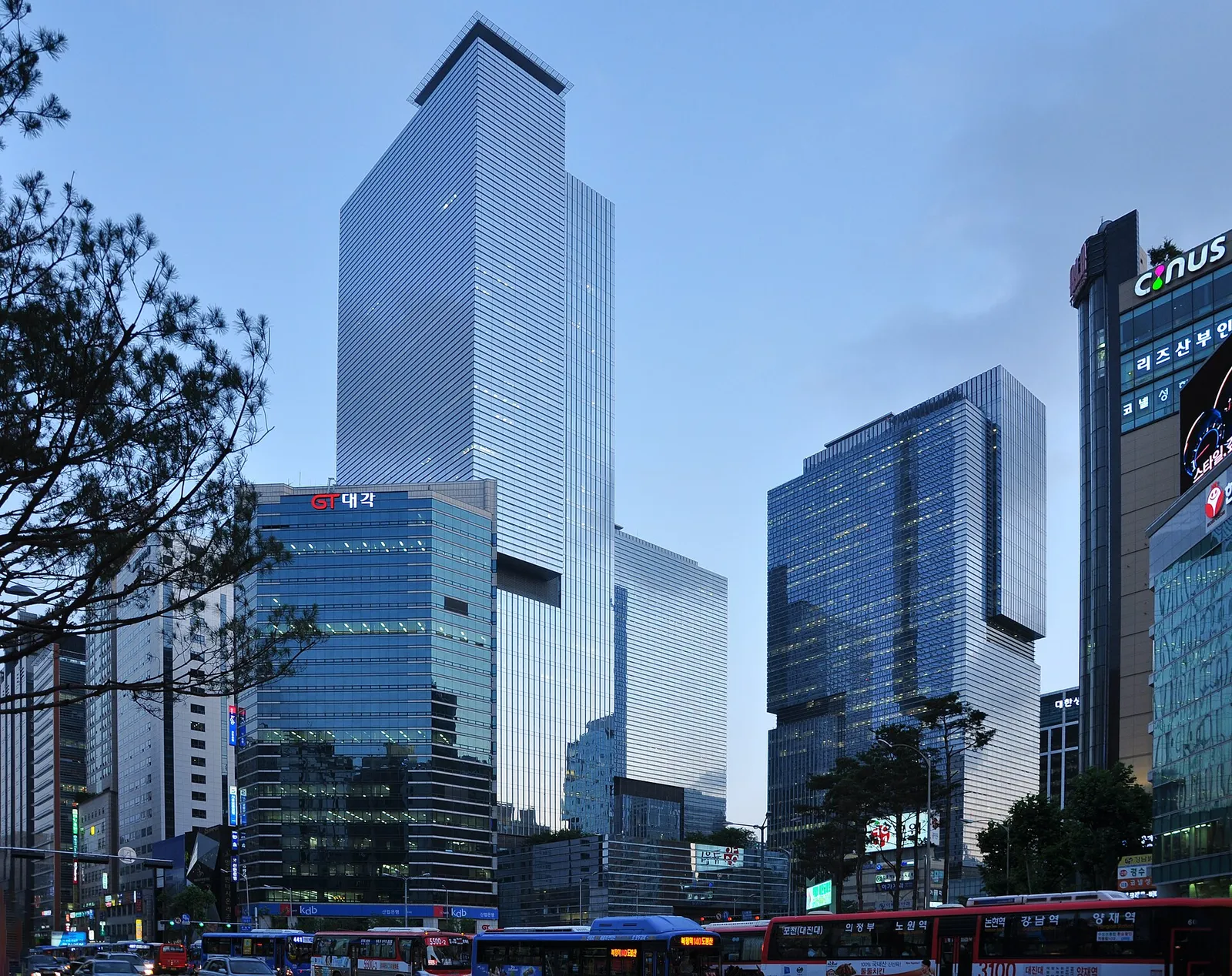
Samsung Electronics plans to buy back roughly 90 trillion won (about $58.6 billion) of its own stock in phases over three years, with a board resolution expected as early as next month, Yonhap reported. An important caveat: the figure comes from Yonhap citing unidentified industry sources, and Samsung declined to comment, so the plan is not officially confirmed.
What is confirmed is the market's response. Samsung shares jumped 6.3% on the report, outpacing rival SK Hynix's 1.6% gain and reclaiming South Korea's top spot by common-share market value.
What a buyback does
A share buyback is a company using its cash to purchase its own stock on the market. Doing so reduces the number of shares outstanding, which tends to lift earnings per share and can support the stock price, while returning capital to investors as an alternative to dividends. Repurchased stock can either be canceled — permanently shrinking the share count — or held as treasury stock for later use.
In this case the plan is tied less to financial engineering than to wages. Samsung's management and union reached a pay deal under which the company will set aside a share of its chip division's operating profit as special bonuses paid in stock, the Seoul Economic Daily reported. The 90 trillion won repurchase would supply treasury shares for those awards over three years. Employees receiving stock bonuses can sell one-third of the shares immediately, with the rest released after one and two years. Samsung is also expected to buy stock for a Performance Stock Unit program, launched in October 2025, that grants shares to its roughly 128,000 employees.
A step up in scale
The plan dwarfs Samsung's recent history. The company repurchased about 30.7 trillion won of stock over the past decade, Seoul Economic Daily noted — meaning the new program, if confirmed, is close to triple that, compressed into three years. Earlier marquee efforts included a roughly 10 trillion won buyback announced in late 2024, a 9.3 trillion won repurchase in 2017 and an 11.4 trillion won program in 2015.
The payout reflects a boom in memory chips. Samsung and SK Hynix are heading toward record profits as AI computing drives demand for high-bandwidth memory (HBM), the stacked DRAM that feeds Nvidia's accelerators. SK Hynix leads that market and recently edged past Samsung as South Korea's most valuable listed company; Samsung is pushing to close the gap, unveiling next-generation HBM and expanding output as it works through Nvidia's qualification tests, the Korea Herald reported.
For a company under persistent pressure to lift shareholder returns and reward staff amid the windfall, a buyback of this size would signal confidence in sustained chip cash flow. The exact size, timing and treatment of the shares await Samsung's own confirmation.