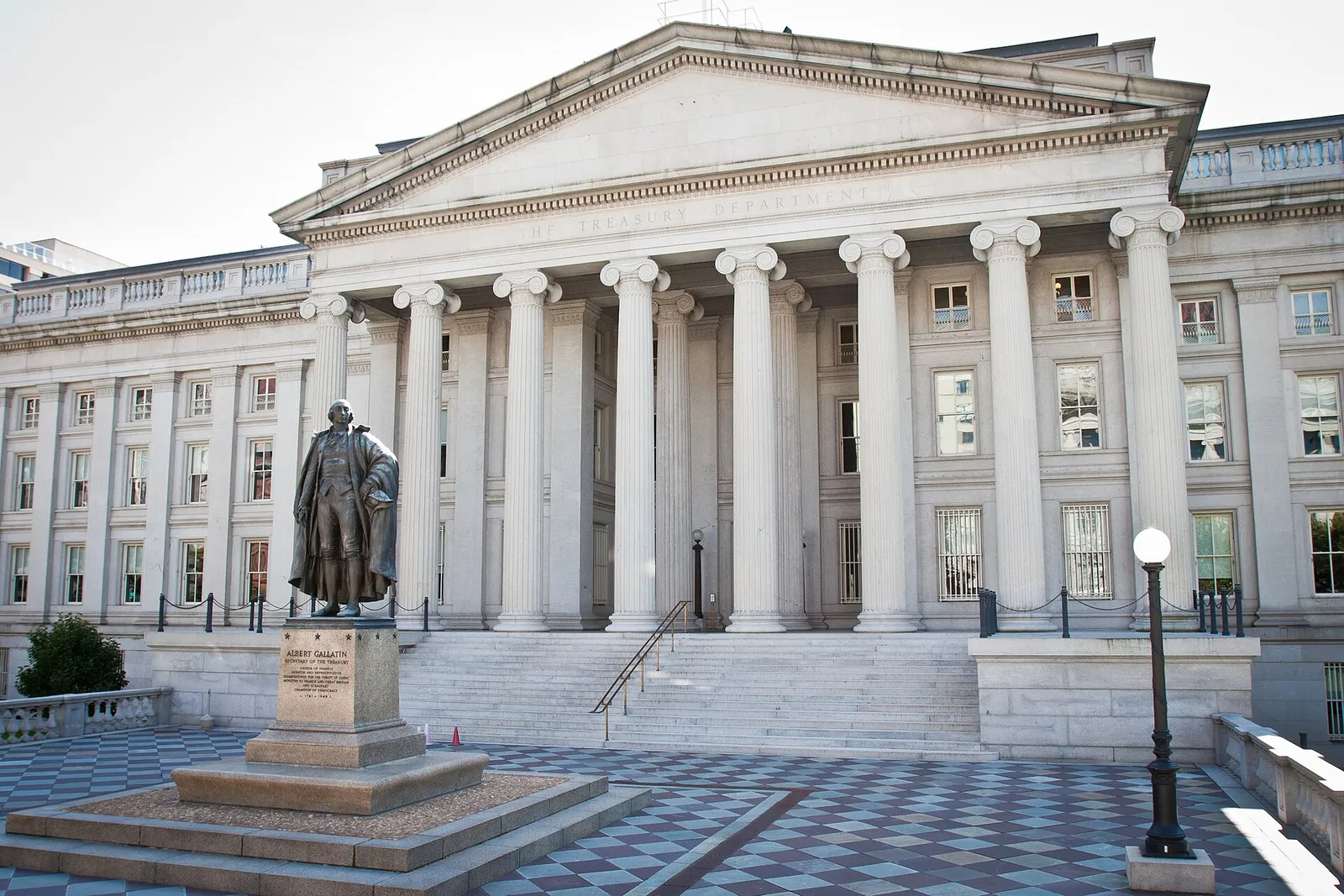
S&P Global Ratings has affirmed the United States' sovereign credit rating at AA+ with a stable outlook, Fortune reported — leaving the rating where it has stood since 2011 and signaling that, for now, the agency sees no immediate threat to U.S. creditworthiness.
What a credit rating is
A credit-rating agency is an independent firm that judges how likely a borrower is to repay its debts. When the borrower is a national government, the verdict is a sovereign credit rating, and it shapes the interest rate that government pays to borrow. The three big agencies — S&P, Moody's and Fitch — assign letter grades: S&P's scale runs from AAA, the top, down through AA, A and lower. AA+ is one notch below the top, still squarely "investment grade" (low default risk) but no longer the perfect score.
To "affirm" a rating means the agency reviewed it and decided the current grade still fits — not an upgrade or a downgrade, but a confirmation.
What S&P said
S&P pointed to the strength of the U.S. economy. "The US economy's resilience should support solid fiscal revenue collection, including from continued tariffs, and stabilize fiscal deficits over the next several years," said Lisa Schineller, the agency's lead U.S. analyst, as quoted by Fortune. The agency cited a wealthy, diversified economy, "credible, effective monetary policy execution" by the Federal Reserve, and revenue from tariffs helping to offset fiscal pressure.
But it was candid about the risks. S&P expects U.S. net government debt to keep climbing toward 100% of GDP, and it warned the rating could be cut "over the next two years if deficits increase because lawmakers can't contain spending or manage revenue implications from changes in the tax code." In plain terms: the stable outlook is conditional, and the next move, if there is one, is more likely to be down than up.
Why it matters
Sovereign ratings feed directly into borrowing costs. A downgrade can push up the yield investors demand on U.S. Treasury bonds — and because Treasuries are the benchmark for everything from mortgages to corporate loans, higher Treasury yields ripple across the whole economy. An affirmation with a stable outlook does the opposite: it removes a source of uncertainty, which matters for the many large investors whose rules require holding only highly rated debt.
The United States also enjoys a cushion few other borrowers have. The dollar's role as the world's main reserve currency — held in huge quantities by central banks and institutions globally — gives Washington unusual flexibility to finance its deficits.
The longer story of lost AAA
S&P's AA+ is itself a relic of a landmark moment. In August 2011, after a bruising fight in Congress over the debt ceiling, S&P became the first major agency to strip the U.S. of its top AAA rating — a decision the Treasury disputed at the time. The U.S. has stayed at AA+ with S&P ever since.
The other agencies eventually followed. Fitch downgraded the U.S. from AAA to AA+ in August 2023, citing fiscal deterioration and repeated debt-ceiling standoffs. Then in May 2025 Moody's — the last holdout — cut the U.S. from its top grade, as CNN reported, ending a perfect rating that had stood for over a century. This week's affirmation does not change the U.S.'s standing, but it is a reminder of the trajectory: a still-strong borrower whose debt keeps rising, watched by agencies that have already shown they will act.