Steve Eisman, the investor who shorted subprime mortgages before the 2008 crash and was immortalized in The Big Short, has turned his contrarian eye on artificial intelligence — and his conclusion, in an interview with Fortune, is that most investors are crowding into the wrong names. This is one investor's analysis, not a consensus view or investment advice; Eisman has had misses alongside his famous win.
The core argument: "no moats in AI"
A moat, in investing shorthand, is a durable advantage that protects a company's profits from competition. Eisman's central claim is that the big AI platforms don't have one. "There are no 'moats' in AI," he told Fortune. "Someone moves to ChatGPT then to Gemini then to Claude." Because customers can switch between models with little friction, he argues, providers are forced to compete on price rather than lock buyers in.
That makes him wary of the so-called hyperscalers — the tech giants such as Meta, Microsoft, Oracle and Alphabet that are pouring money into AI infrastructure. He describes them as fighting in a "brutal arena" of substitutable products. And the sums at stake are vast: by his account, Alphabet spent $80 billion on AI last year, plans $180 billion to $190 billion this year, and "raised $85 billion in stock" to help fund it. His worry is that the spending is certain while the payoff is not.
The "picks and shovels" play
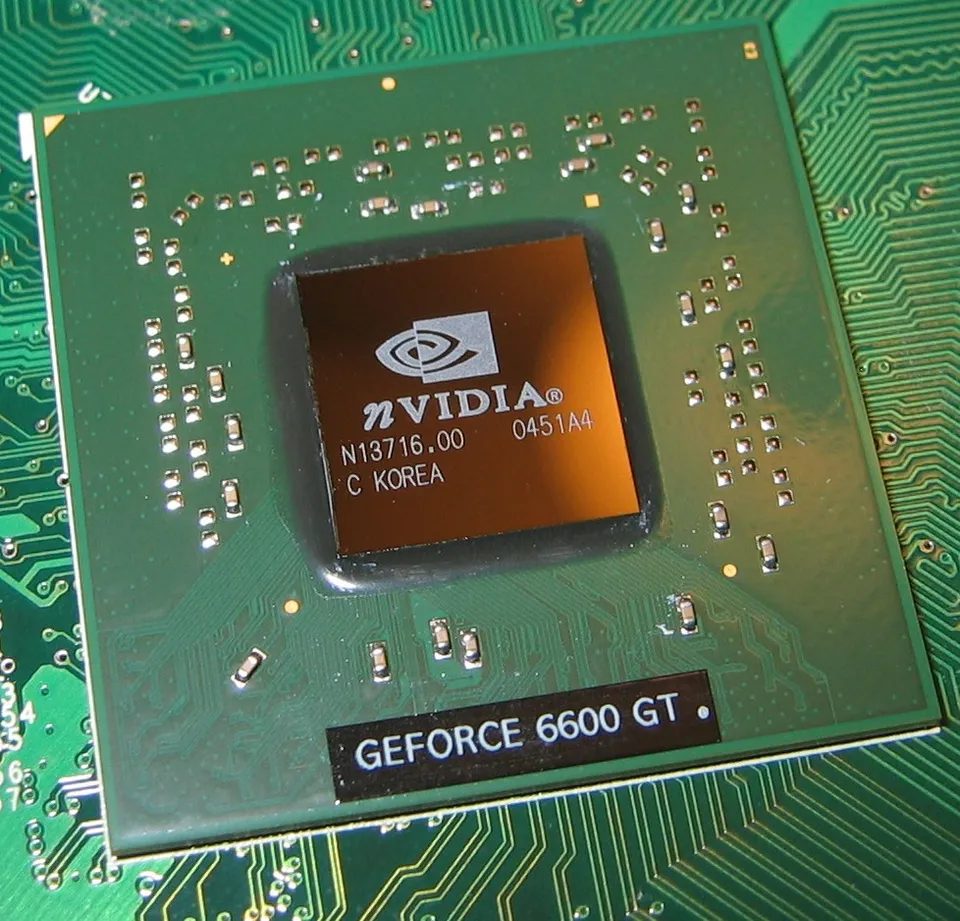
Rather than the companies writing the giant checks, Eisman prefers their suppliers — a "picks and shovels" approach, named for the idea that the surest money in a gold rush was made selling miners their tools, not digging. In AI terms, that means the chip and networking firms that get paid no matter which platform ultimately wins.
His preferred names are Nvidia, Arista Networks and Cisco Systems, which he sees as selling specialized, hard-to-substitute hardware — the opposite of the commodity-like position he ascribes to the platforms.
A pointed warning on SpaceX
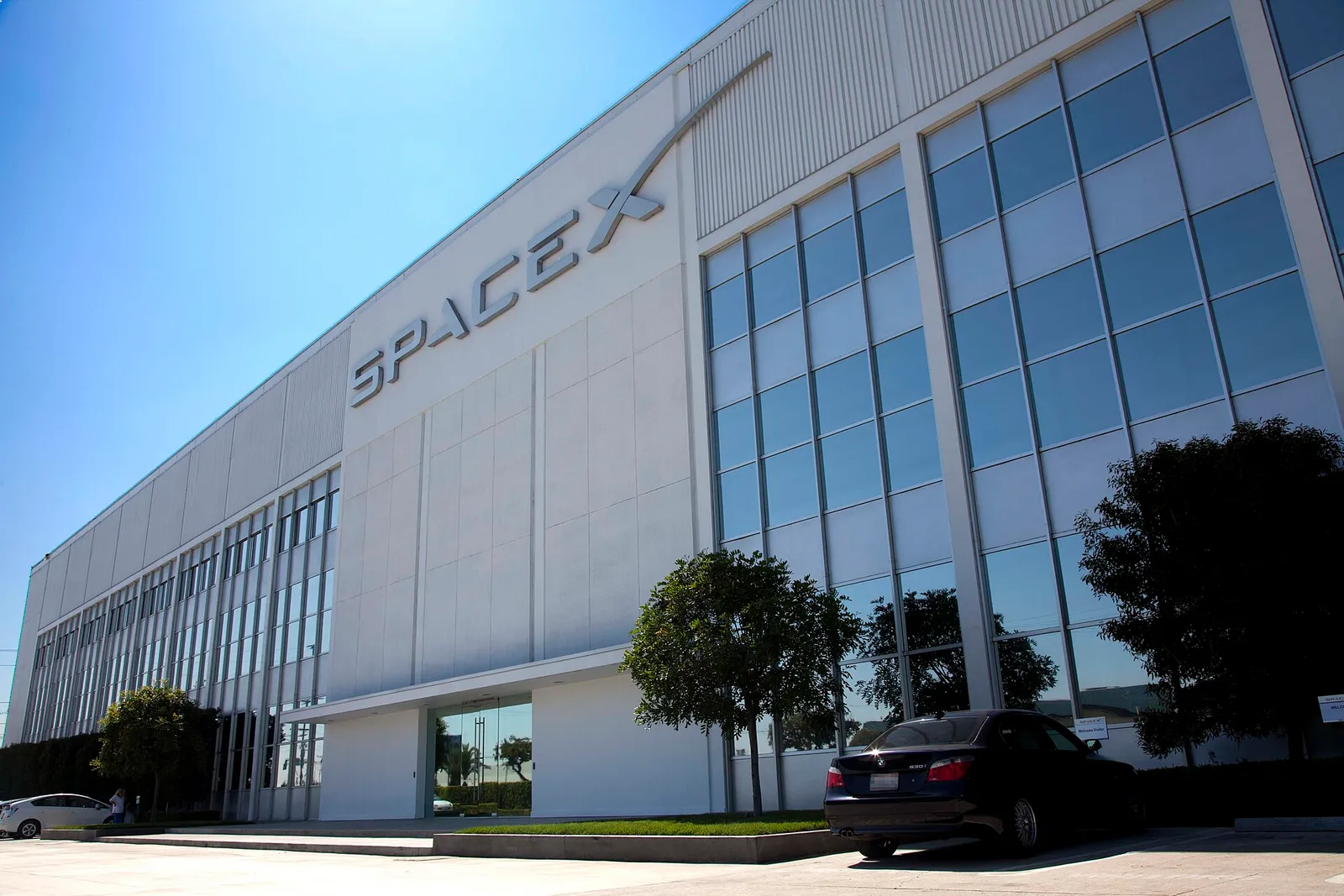
Eisman reserves his sharpest skepticism for SpaceX, which is heading for a public listing. He pegs its implied valuation at "over 100 times revenue" — against roughly 50 times for the high-multiple software firm Palantir — and notes that SpaceX's revenue is in the neighborhood of breakfast-cereal maker Kellogg's, around $19 billion, a company no one values so richly.
He attributes the gap to enthusiasm rather than fundamentals: "Musk is a cult, so people keep saying 'wait till next year.'" He is dismissive of the company's $28.5 trillion total addressable market — a figure he notes is "over 90%" attributed to AI — and of its AI product: "Grok is a third-tier product," he said, arguing engineers "won't use it because it sucks."
How to read this
Eisman's framework is coherent and clearly argued, but it rests on contestable assumptions — chiefly that AI models stay easily substitutable, which may not hold if one platform pulls meaningfully ahead. Plenty of analysts take the opposite side, expecting the hyperscalers' spending to compound into durable advantages over time. His record outside the 2008 trade is mixed. The useful takeaway is not "buy this, sell that" but the question he is pressing: in a business where everyone is spending enormous sums, who actually gets to keep the profits? Readers should weigh that for themselves.