After a decade of jury verdicts and tens of billions of dollars in liability, Bayer won the legal shield it had long sought from the highest court in the United States.
What the Court ruled
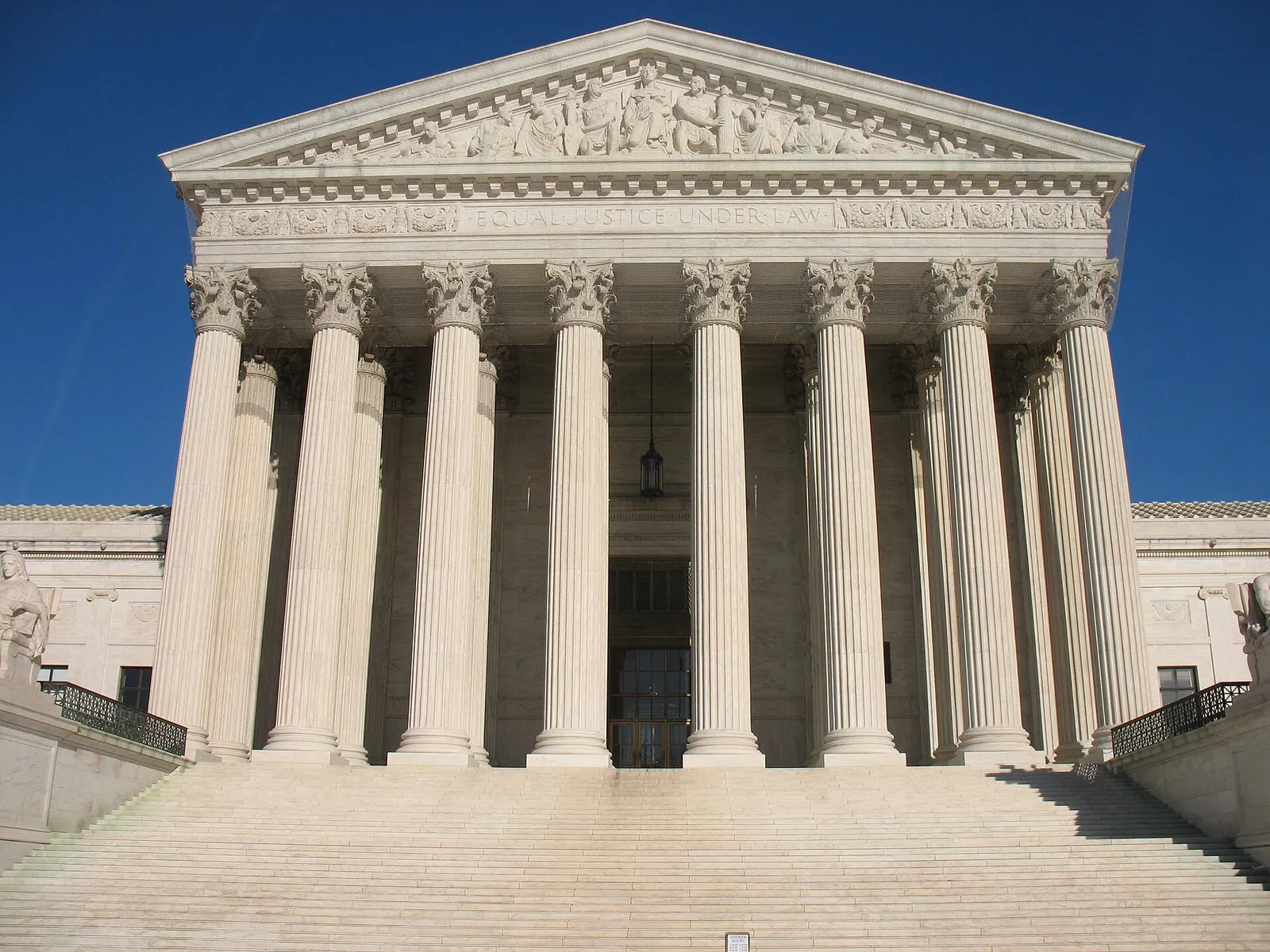
In a 7-2 decision on June 25, the Supreme Court held that the Federal Insecticide, Fungicide, and Rodenticide Act (FIFRA) preempts state lawsuits claiming Roundup should have carried a cancer warning, CNBC reported. Justice Brett Kavanaugh wrote the majority opinion; Justices Ketanji Brown Jackson and Neil Gorsuch dissented. The Court reversed a Missouri verdict in the case of John Durnell, who had won $1.25 million after developing non-Hodgkin lymphoma he blamed on the weedkiller.
The legal terms, in plain English
Two concepts decide the case. Failure to warn is a product-liability claim alleging a company didn't adequately warn users of a risk — here, that Roundup's label lacked a cancer warning. Federal preemption is the rule that when federal law conflicts with state law, federal law wins. FIFRA requires the EPA to approve pesticide labels and bars states from demanding labels "in addition to or different from" the federal one.
Kavanaugh's majority reasoned that because the EPA approved Roundup's label without a cancer warning — having found its active ingredient, glyphosate, not likely to cause cancer when used as directed — a state jury can't force Bayer to add one. That, the Court held, is the kind of "different" state requirement FIFRA forbids. In dissent, Jackson argued the majority misread the law and left Durnell "without a remedy."
What it does and doesn't do
The ruling guts the largest category of Roundup claims — the failure-to-warn suits that make up the bulk of the roughly 200,000 cases. But it is not total immunity: claims that the product was defectively designed — a separate theory — were not addressed and can still proceed. Bayer said it would press ahead with a proposed $7.25 billion settlement to clear remaining cases.
The background
Bayer, the German life-sciences group, bought Monsanto — Roundup's maker — for about $63 billion in 2018, inheriting a fast-growing wave of litigation. The cancer claims hinge on glyphosate, which the World Health Organization's cancer agency called "probably carcinogenic" in 2015, even as the EPA concluded the opposite. That split has fueled years of trials and verdicts; Bayer had previously set aside roughly $16 billion for Roundup liability.
Why it matters
For Bayer, the decision removes an open-ended threat that had weighed on its shares and strategy for years, restoring what chief executive Bill Anderson called "regulatory clarity." More broadly, lawyers say the ruling could limit state-court exposure for other federally regulated pesticides, since the same preemption logic would apply — a meaningful shift in liability for the agrochemical industry. Plaintiffs' attorneys and health advocates called it a blow to people harmed by pesticides. The practical bottom line: federal label approval now carries far more legal weight, and the courthouse door has narrowed for the failure-to-warn suits that defined the Roundup saga.