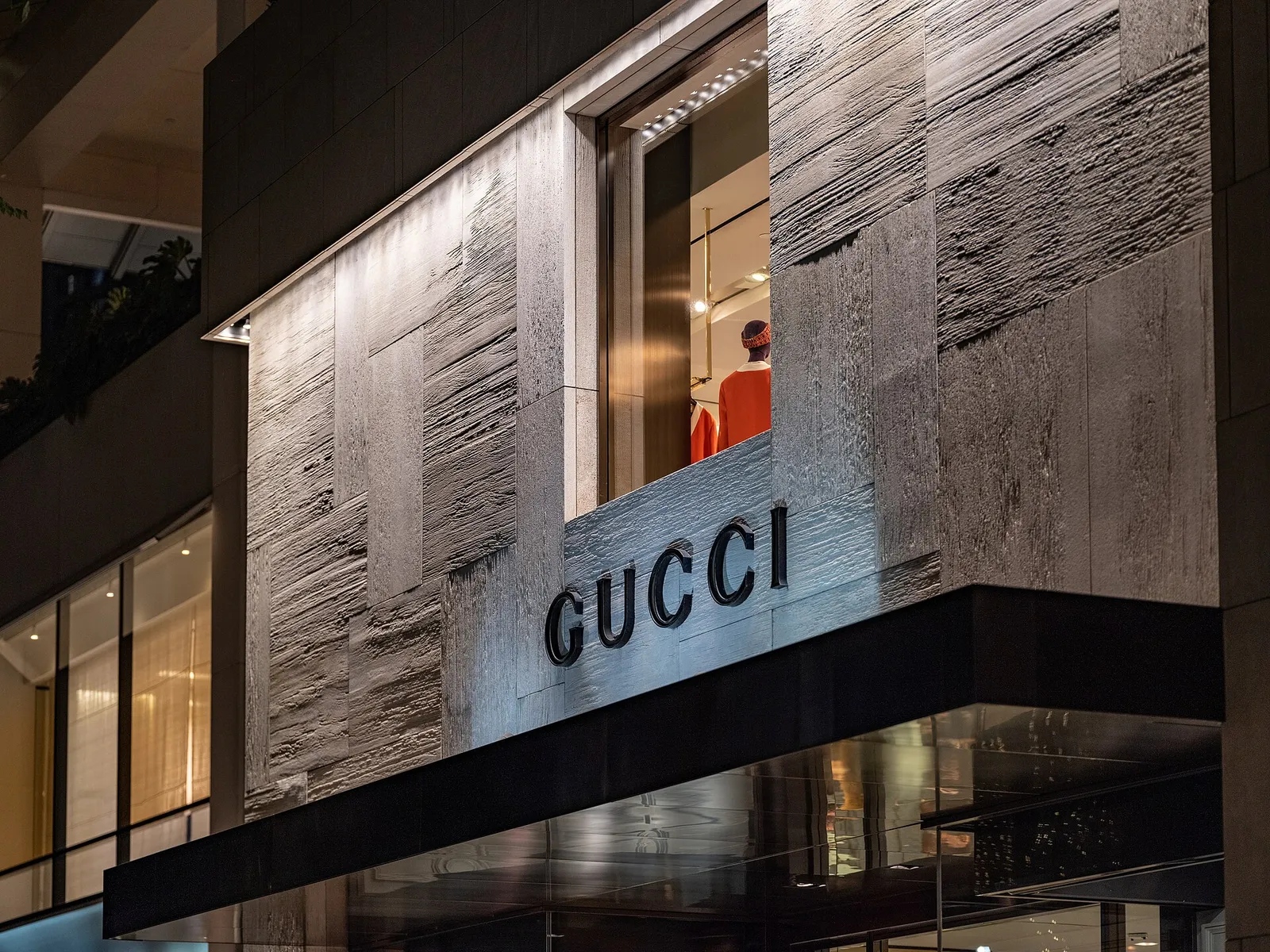
The weight-loss drugs reshaping bodies may also be reshaping shopping carts at the top of the market. Analysts at the consultancy Bain say wealthy consumers taking GLP-1 medications are buying new wardrobes as their bodies change and gravitating toward smaller but more expensive food — and that this is one of the factors helping prop up the luxury sector right now, according to Fortune's account of Bain's research.
What GLP-1 drugs do
GLP-1 receptor agonists — the class that includes semaglutide (sold as Ozempic for diabetes and Wegovy for weight loss) and tirzepatide (Mounjaro and Zepbound) — mimic gut hormones that signal fullness, curbing appetite and slowing digestion. Developed for type 2 diabetes, they are now widely used for weight loss, especially among higher-income patients who can absorb costs that can run to hundreds of dollars a month.
The wardrobe effect
Federica Levato, a senior partner at Bain who co-authored the firm's luxury research, told Fortune that significant weight loss is driving a burst of shopping among affluent users. "There is, of course, the enthusiasm of having lost weight and so there is a direct correlation with 'Let's buy a new wardrobe,'" she said, describing a "shopping frenzy" tied to higher consumer confidence.
The eating shift reinforces it. With appetite suppressed, users eat far less — and Levato says food brands are responding by selling smaller packages with "higher intrinsic value." Consumers, she said, "buy less, the price in the end is not moving" — not because margins are fatter, but because pricier, higher-quality ingredients fill the smaller portions. In dining, the pattern shows up as eating out less often but trading up when they do.
A sector that needs the help
The thesis matters because luxury has been struggling. Bain's data show the personal luxury-goods market contracting — down roughly 1% over the past year, with early 2026 around minus 3% on a constant-currency basis, per Fortune's reporting — as the post-pandemic boom faded, aspirational shoppers pulled back and Chinese demand stayed soft. Starved of good news, analysts are scrutinizing any source of resilience, and Levato called the GLP-1 dynamic "the most interesting topic right now."
Read it as a thesis, not a proven driver
It is worth being precise about the claim. Bain is describing an observed correlation among wealthy GLP-1 users, not establishing that the drugs are causing a net rise in luxury spending or reversing the sector's decline. The user base, while growing, is concentrated among high earners, and the drugs remain expensive.
There's also a tension Levato flags within the industry. Luxury brands have spent recent years chasing the very top of the wealth pyramid and raising prices, narrowing their customer pool. A Vogue Business review of recent runways found the overwhelming majority of looks shown only in the smallest sizes — even as GLP-1 drugs, in theory, enlarge the pool of customers who fit sample sizing. "There is a huge wave of new potential customers," Levato said, "but it's really in the hands of the brands to realize that this is coming or not — because if they keep increasing prices, they will cut out some part of the population."
What to watch
GLP-1 use is set to keep growing as newer formulations arrive and coverage slowly widens. If the Bain hypothesis holds and the drugs reach beyond the wealthiest households, the wardrobe-replacement and premium-food effects could scale into something the luxury sector can count on. For now it is a data point worth tracking rather than a turnaround engine — but in a market short on bright spots, it is the kind of signal analysts are watching closely.