This article is for general information, not financial, insurance or medical advice.
The story has become a personal-finance staple: a shopper scans a coupon at the pharmacy counter and a triple-digit drug price collapses to the cost of lunch — in one case MarketWatch described, a $618 Walgreens prescription that dropped to $15. The savings are real. So is the system that makes them possible.
How discount cards actually work
Services like GoodRx and SingleCare are not insurance. They are middlemen that negotiate discounted cash prices with pharmacies and pass them to you, usually for free, earning a small fee each time a coupon is used. GoodRx does this through deals with several pharmacy benefit managers (PBMs) — the companies that sit between drugmakers, insurers and pharmacies and set what each pays — so it can show competing cash prices and surface the lowest.
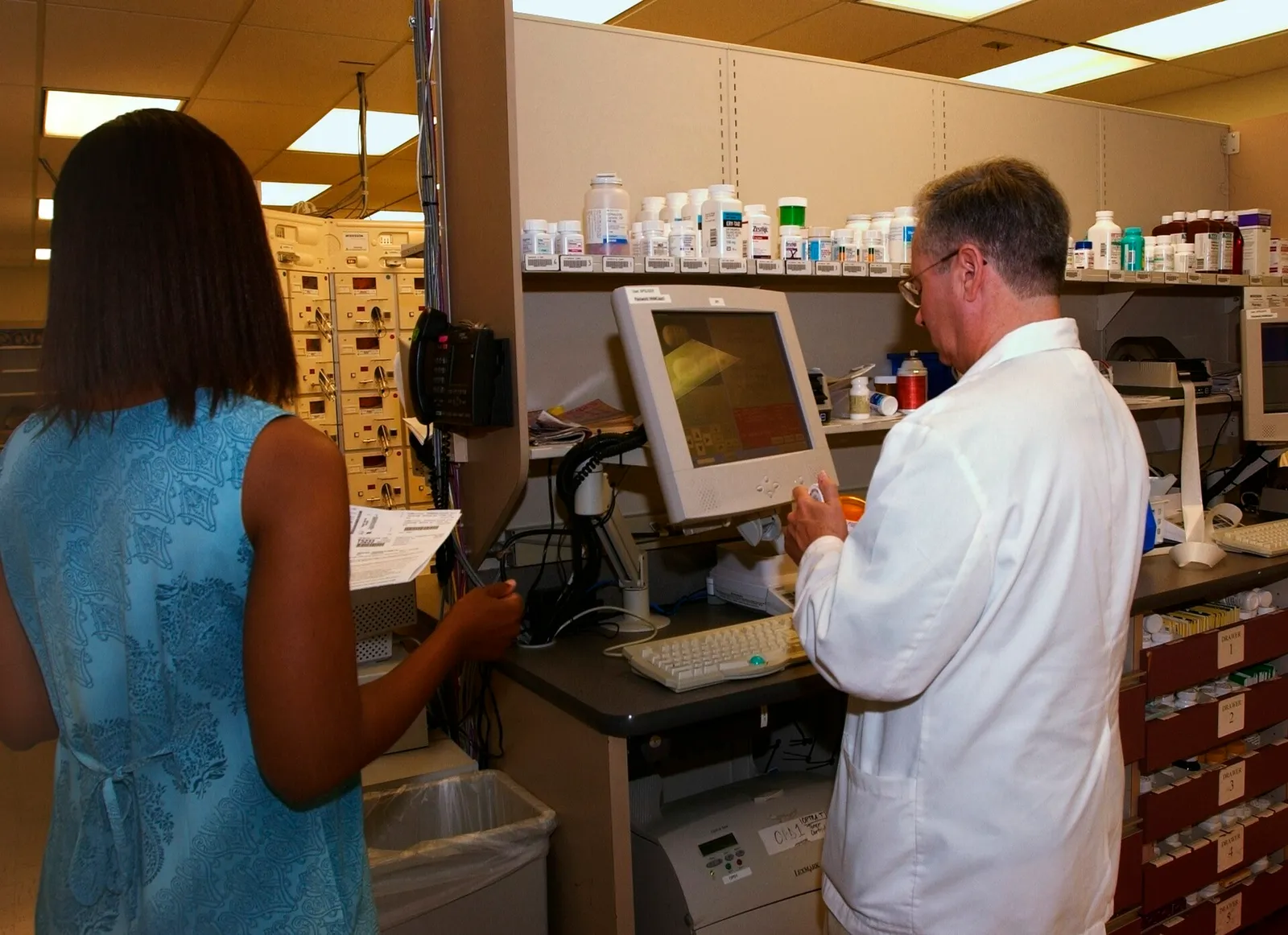
Using one is simple: look up the drug, get a coupon (often a QR code), and show it to the pharmacist before they run the claim. The coupon routes the purchase through the negotiated cash price instead of your insurance.
A plain definition: a PBM is a company hired by insurers and employers to manage drug benefits — negotiating prices, deciding which drugs an insurer covers and processing pharmacy claims. The three largest — Caremark, Express Scripts and Optum Rx — handled close to 80% of the roughly 6.6 billion U.S. prescriptions filled in 2023, according to the Federal Trade Commission.
Why one drug has several prices
At a single pharmacy you may face three prices for the same medicine: the retail "sticker" price, your insurance copay and the cash price via a discount card — and none is necessarily the "true" one. Retail prices are often set deliberately high. Insurance copays can, surprisingly, run higher than the cash price; the FTC found the biggest PBMs marked up some generic drugs by hundreds or thousands of percent, generating an estimated $7.3 billion in excess revenue from 2017 to 2022, plus $1.4 billion more from "spread pricing" (billing the insurer more than they reimburse the pharmacy and pocketing the gap). For generics especially, coupon prices can run well below retail — which is the gap a QR-code coupon exploits.
The catches to know
- You generally can't combine a coupon with insurance. A discount card is used instead of insurance on that fill, not alongside it.
- Coupon purchases usually don't count toward your deductible or out-of-pocket maximum. If you're close to meeting either, using insurance may be cheaper over the year even when the coupon price looks lower today.
- Medicare and Medicaid patients can't use drugmaker copay coupons. Manufacturer coupons can wipe out cost-sharing on brand-name drugs, but federal anti-kickback rules bar them for government-program beneficiaries, KFF notes. (GoodRx-style discount cards, which are not manufacturer coupons, can still be used — but not at the same time as Medicare.)
- "Copay accumulators" can bite. Some employer plans count a manufacturer coupon's value at the register but not toward your deductible, so when the coupon runs out you can suddenly owe the full deductible. KFF reports 17% of large-employer plans use such designs, rising to about a third at the biggest firms.
- Not every drug is discounted. Coverage varies by drug, dose and pharmacy; some specialty medicines show little savings.
Practical steps
A few habits cost nothing and can save a lot:
- Ask the pharmacist to price it both ways — cash-coupon and insurance — before the claim is processed. They won't always volunteer the comparison.
- Check more than one service. GoodRx, SingleCare and others draw on different PBM contracts, and the cheapest can change week to week.
- Do the deductible math. Near your annual limit, insurance usually wins; far from it, the coupon often does.
- Medicare enrollees should ask about the Part D low-income subsidy ("Extra Help") rather than manufacturer coupons they can't legally use.
The recurring lesson of U.S. drug pricing is that prices are negotiated, not fixed — and the consumer who knows to ask is often the one who pays less.