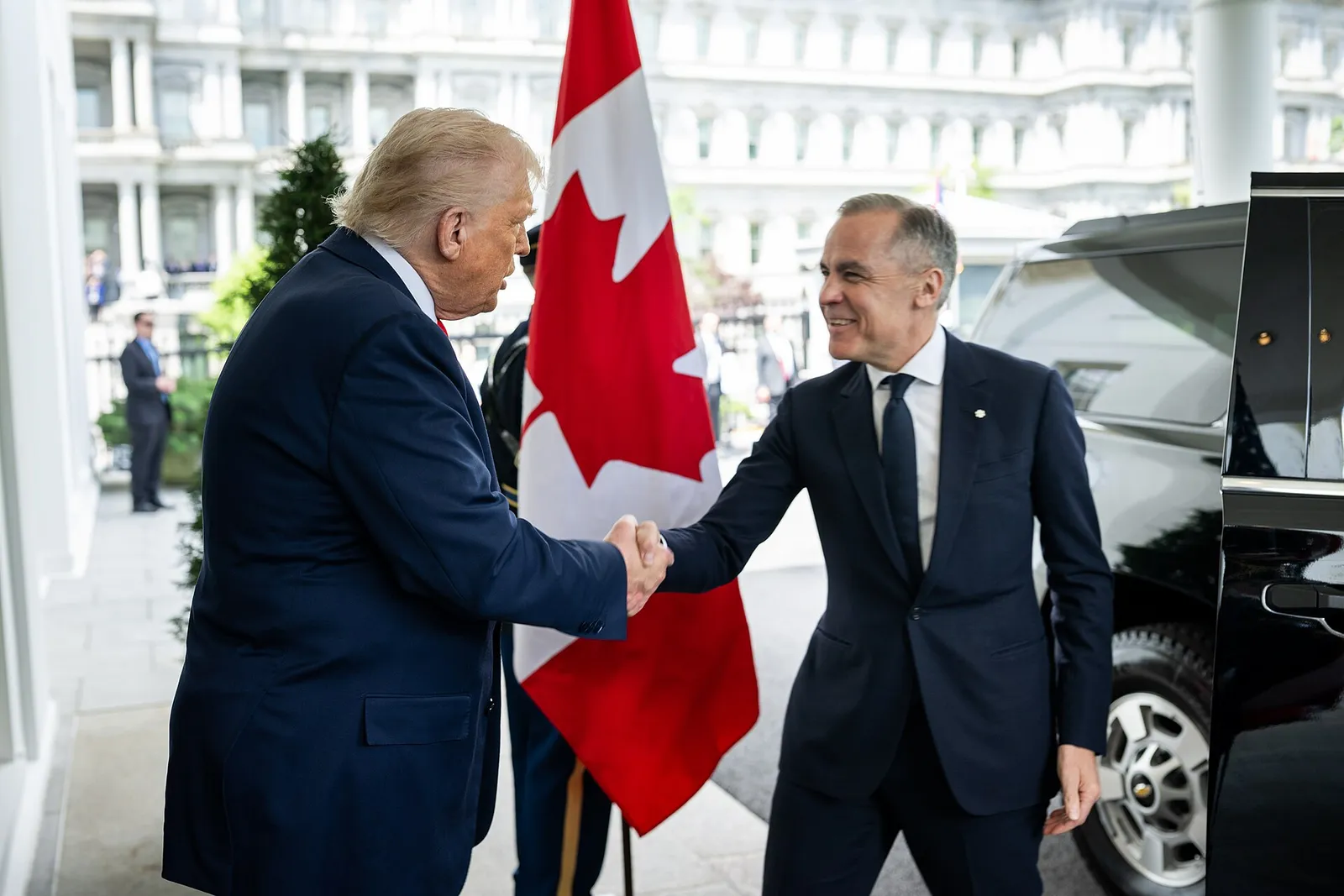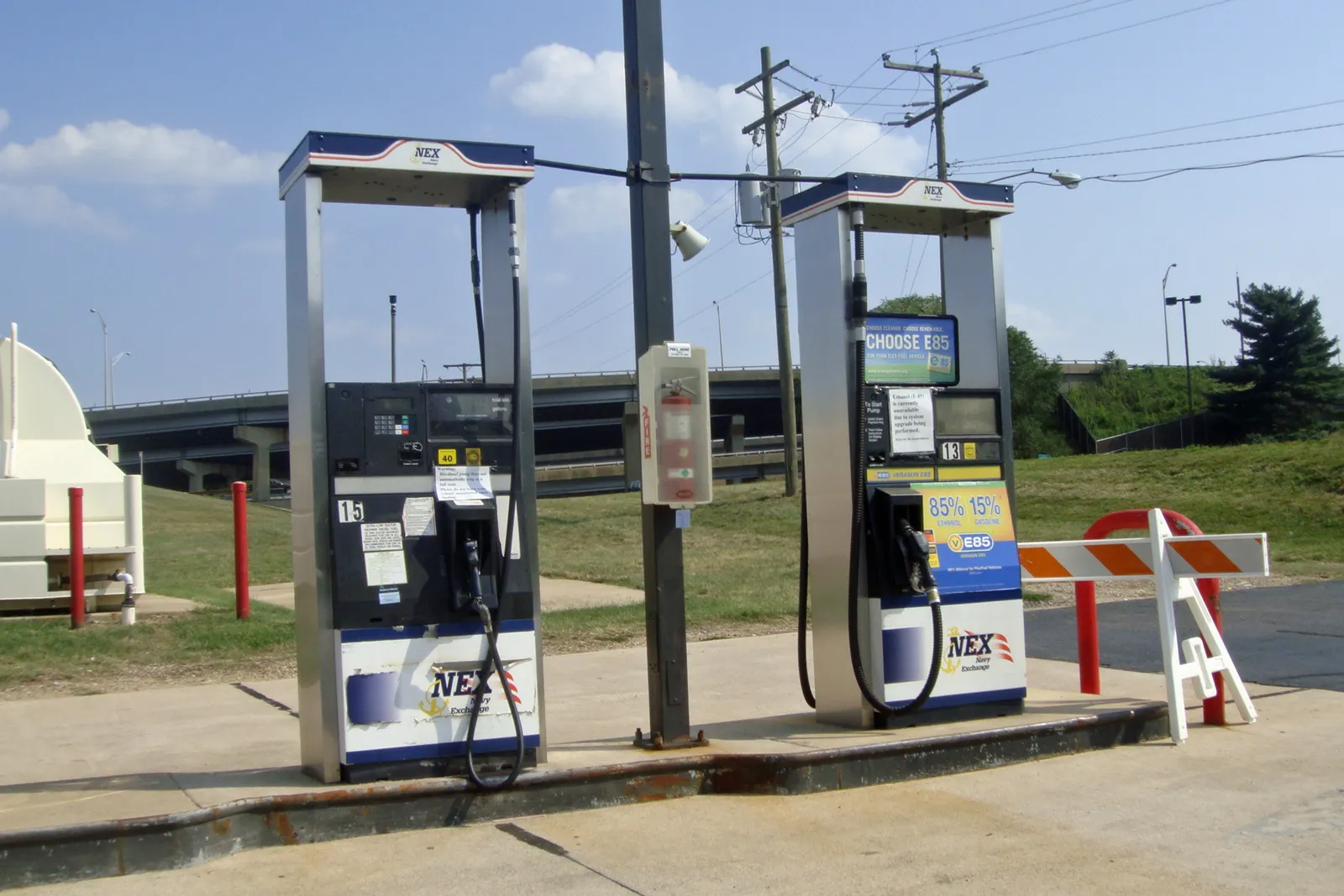
President Trump is renewing a long-running effort to put more ethanol in the nation's gas tanks, asking Congress to permanently permit year-round sales of E15, a blend of 85% gasoline and 15% ethanol. The administration plans to make the request as part of a broader funding ask to lawmakers, CBS News reported.
Why E15 can't normally be sold in summer
The obstacle is a fuel property called Reid Vapor Pressure, or RVP, which measures how readily gasoline evaporates. Higher RVP means more vapor, and in hot weather those vapors react with other pollutants in sunlight to form ground-level ozone — smog. Under the Clean Air Act, the EPA caps summertime gasoline volatility, generally from June 1 to September 15.
Adding ethanol raises a fuel's vapor pressure. The standard E10 blend (10% ethanol) that fills most U.S. tanks received a special 1.0-psi allowance from Congress in 1990, but E15 — approved by the EPA for vehicles from model year 2001 and newer — never got an equivalent statutory waiver. That gap is why E15, sold cheaply in corn-belt states for years, has been blocked from most of the country in summer, and why the fix has proven legally fragile: a 2019 Trump rule extending the waiver to E15 was struck down in court.
A summer of stopgaps
This year the question turned urgent. The EPA issued a nationwide emergency waiver for the 2026 summer driving season, citing "extreme and unusual" fuel supply conditions, The Hill reported. The trigger was the disruption to shipping through the Strait of Hormuz — the chokepoint through which roughly a fifth of the world's oil normally passes — during the conflict involving Iran.
But each emergency waiver is legally capped at 20 days, so the EPA has had to reissue them in a continuous series to keep E15 flowing through the summer. That patchwork is precisely what the administration now wants to replace with a permanent rule from Congress, giving fuel retailers the certainty to invest in E15 storage and pumps.
Who wins and who loses
The ethanol industry has lobbied for year-round E15 for years. The biggest beneficiaries would be corn farmers — the United States already turns roughly 40% of its corn crop into ethanol — and large producers such as Archer-Daniels-Midland and Green Plains, whose volumes rise with demand. The Renewable Fuels Association, the industry's trade group, has been a leading advocate. For drivers, E15 typically sells a few cents per gallon below E10, which is the consumer argument the White House emphasizes.
Oil refiners and their trade body, the American Petroleum Institute, have resisted. They argue that loosening summer volatility limits could worsen urban air quality, and that every gallon of ethanol blended in displaces petroleum-based fuel, cutting into refiners' sales. Some environmental groups share the air-quality concern, noting that higher evaporative emissions on hot days can offset ethanol's cleaner-burning benefits in smog-prone cities. E15 also is not approved for small engines such as boats, motorcycles and lawn equipment, or for vehicles older than 2001 — raising the risk of misfueling as it spreads.
The bottom line
Year-round E15 sits at the crossroads of farm, energy and environmental policy, which is why it has drawn bipartisan support from corn-state lawmakers even as the executive branch's own agencies — the Agriculture Department pushing for bigger ethanol markets, EPA staff wary of air-quality effects — pull in different directions. With gasoline prices a persistent political concern, the administration is selling E15 as cheaper fuel. Whether a permanent fix clears Congress, after a regulatory version failed in court once before, is the open question.