President Trump turned on the oil industry on June 25, accusing major producers of keeping pump prices high while crude costs fell — and threatening a federal investigation.
What he said
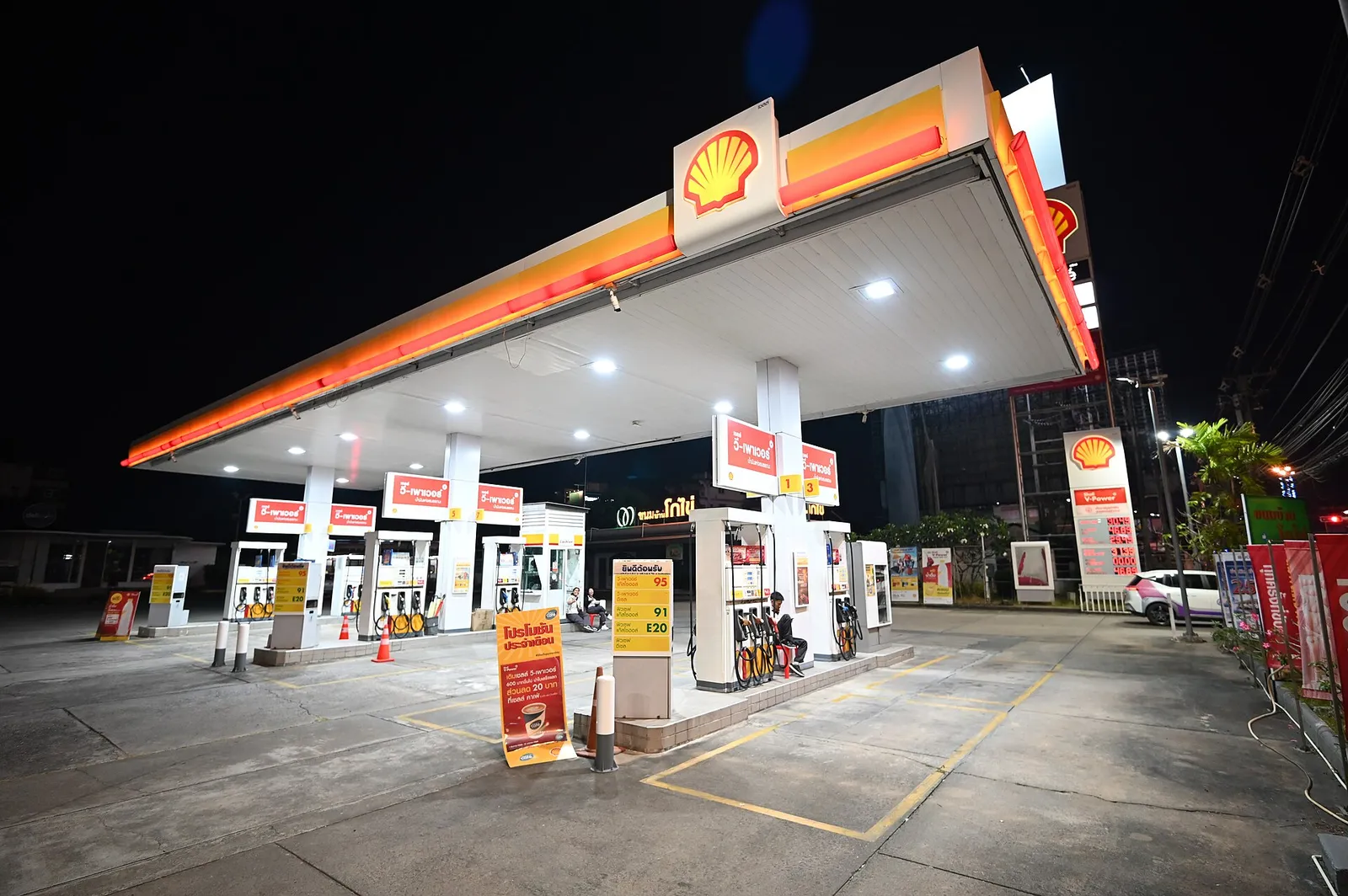
In a Truth Social post, Trump wrote that "the big Oil Companies are not dropping their price at the pump commensurate with the sharply lower prices they are paying for Oil," and said customers "are being 'gouged,'" Fortune reported. He named Chevron, ExxonMobil, BP and Shell, and said he had instructed the Justice Department to investigate. He gave no timeline or legal theory.
A crucial caveat: as of the announcement, the directive appeared to be a social-media instruction rather than a formal proceeding. A DOJ spokesperson declined to comment on any investigation, and no subpoena, civil demand or executive order had been publicly confirmed.
The price backdrop
U.S. retail gasoline averaged about $3.91 a gallon in late June, up from roughly $3.22 a year earlier, per data cited by Fortune — a rise tied to the spring spike in crude during the U.S.-Iran conflict, which has since eased back toward pre-war levels. Trump's complaint reflects a well-known asymmetry economists call "rockets and feathers": pump prices tend to shoot up fast when crude rises but drift down slowly when it falls.
The industry's main lobby, the American Petroleum Institute, pushed back on the gouging framing, saying gasoline prices "don't move in lockstep with crude oil, especially during major global disruption" affecting refining and supply chains. Chevron's finance chief said the company was "doing everything we can" to bring prices down, citing the lag for cheaper crude to move through refineries.
Will it go anywhere?
History suggests caution. Federal price-gouging authority over oil majors is narrow: the Federal Trade Commission can examine gasoline pricing, but past probes — including a sweeping one after Hurricane Katrina — found no illegal collusion among major producers. A Justice Department antitrust case would require evidence of coordination among competitors, which has not been publicly alleged. (It remains to be verified whether any formal White House or DOJ document accompanies the post.)
The political backdrop and the stakes
The confrontation is striking because the industry was a major Trump backer: oil and gas interests gave roughly $96 million directly to his 2024 re-election effort, per campaign-finance data cited by Fortune. Trump has repeatedly promised lower energy prices, and with gas still well above year-ago levels, blaming producers fits that message even as it pits him against large donors.
For the companies, the near-term risk is sentiment and regulatory uncertainty rather than a likely legal penalty. Even an investigation that ultimately finds nothing can weigh on a sector already navigating volatile post-conflict crude markets. We're reporting what was said and the documented context; whether it becomes a formal probe — and whether it changes anything at the pump — remains to be seen.