When oil prices spiked during the Iran war, American companies mostly took the hit themselves. The question a new Federal Reserve survey raises is whether they could do it twice.
What the survey found
The CFO Survey — a quarterly poll of 530 finance chiefs run by the Federal Reserve Banks of Richmond and Atlanta with Duke University, fielded May 18–June 5 — found that about two-thirds of firms saw the spring energy spike push their costs higher, Fortune reported. But only about a third of those companies responded by raising the prices they charge customers.
That gap is what economists call low pass-through — the share of a cost increase that reaches the final price. When pass-through is low, companies shield customers by squeezing their own margins, the difference between what it costs to make something and what they sell it for. This spring, that cushion held.
The warning underneath
The reassuring headline hides a fragile backstop. Asked what they would do if oil rose to around $120 a barrel and stayed there, CFOs said pass-through would jump to roughly 90% — meaning nearly every added dollar of cost would flow into prices, according to the survey. The implication is asymmetric: the first shock was absorbable; a second sustained one may not be.
Sentiment shifted with it. The share of CFOs naming inflation as their top concern jumped to about 25% from 9.5% the prior quarter — the sharpest move in the survey's history — and they trimmed their U.S. growth forecast for the year.
The shock that prompted it
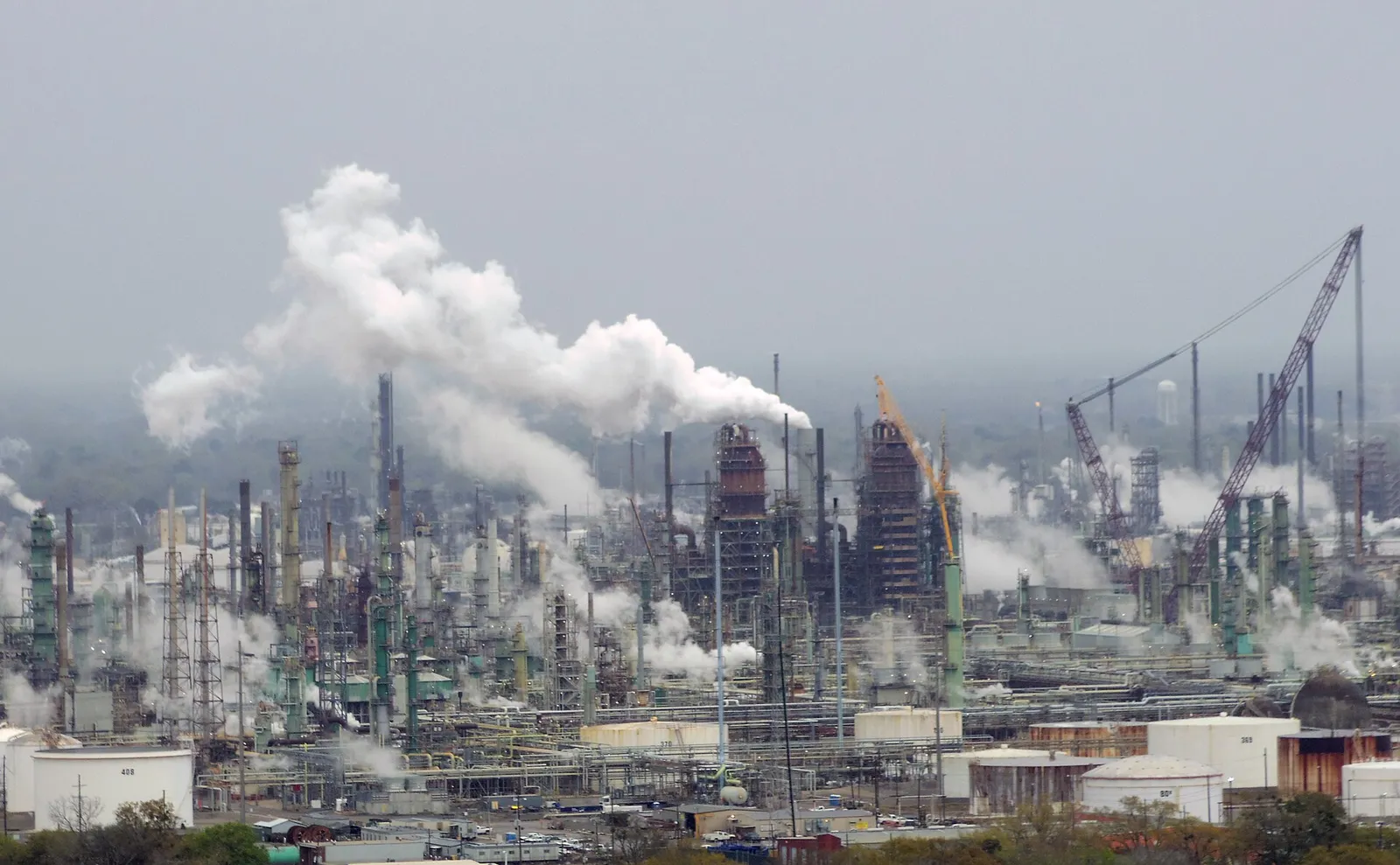
The backdrop is a severe but short energy disruption. Brent crude traded near $72–73 in late February; when fighting closed the Strait of Hormuz — the chokepoint for roughly a fifth of seaborne oil — prices surged past $100 and peaked around $126 in late April. After the ceasefire, with tanker traffic resuming, Brent has fallen back near $73, close to pre-war levels. The round trip spared consumers a lasting jump at the pump, but the survey, fielded around the ceasefire, captured the corporate anxiety that built while the outcome was uncertain.
Why the cushion is thinning
Companies could absorb the spring spike partly because profit margins have been unusually fat. But that buffer is being tested from several directions at once: import tariffs have already raised input costs across industries, and energy stacked on top. Each added pressure leaves less room to sacrifice margin before raising prices becomes the only rational move.
What it means
For consumers, the practical question is whether the spring episode was a one-off scare or a preview. The survey's answer is cautiously the former — but only because oil came back down. The low pass-through that kept a lid on prices is conditional on energy staying cheap; if another shock hits while margins are already squeezed by tariffs, companies signal they will pass it on quickly. For the Federal Reserve, which has held rates steady while inflation runs above target, that is exactly the scenario that argues for caution: relief that depends on calm energy markets is relief that can vanish fast. This is analysis of survey data, not a forecast — but it maps the fault line clearly.