A stronger headline, a weaker economy underneath. That is the paradox in the U.S. government's final read on first-quarter growth.
The headline
The economy expanded at a 2.1% annual rate in the first quarter of 2026, the Bureau of Economic Analysis said in its third and final estimate on June 25 — revised up half a point from the 1.6% reported a month earlier, and above the 2.0% first reported in April. On its face, an upgrade. In the detail, less so.
Why the number rose
Gross domestic product is the total value of goods and services the economy produces. The BEA builds it from consumer spending, business investment, government spending and net exports — exports minus imports. That last piece is the catch: imports are subtracted in the formula, so when imports are revised lower, GDP mechanically rises, even if nothing else improved.
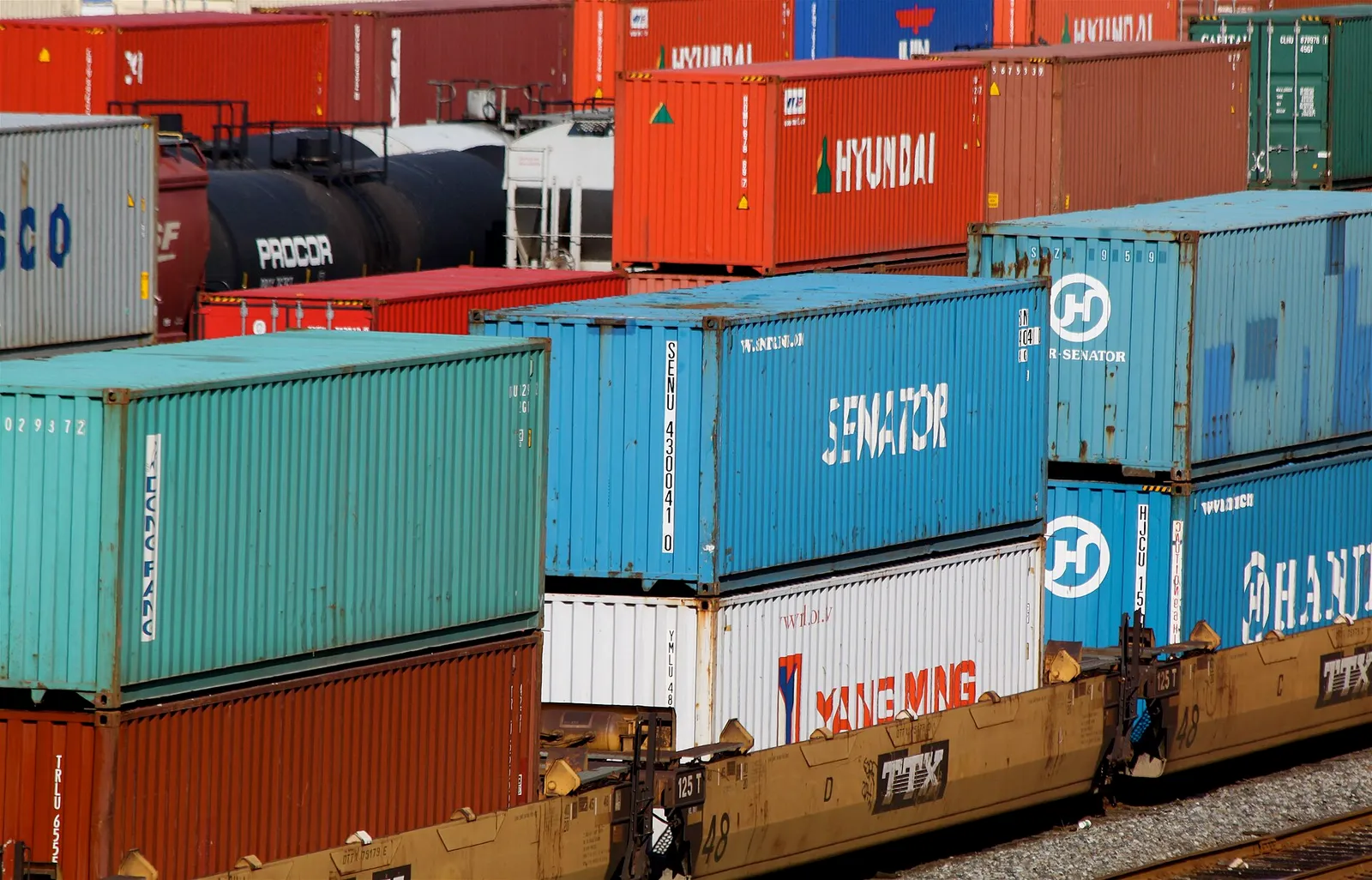
That is essentially what happened. The BEA said the upward revision "primarily reflected a downward revision to imports," concentrated in consumer and capital goods and transport services — partly offset by a downward revision to consumer spending. In plain terms: Americans and businesses imported less than first measured, which flattered the math, while the economy's main engine actually looked weaker.
The number economists watch instead
For gauging the economy's true momentum, analysts look past the headline to a measure that strips out volatile trade and inventory swings: real final sales to private domestic purchasers, which captures what households and businesses are actually buying. As MarketWatch noted, that gauge was revised down to about 1.7% — a clear step below the prior estimate and below the pace that marked 2024 and 2025. Consumer spending growth, the largest slice of GDP, was marked down sharply in the final estimate.
The split underneath is familiar: business investment, lifted by a surge in equipment spending tied to the AI build-out, and government outlays did much of the work, while household demand cooled.
What it signals
The composition matters more than the headline. A 2.1% print built on shrinking imports and softening consumer spending is not the same as 2.1% built on broad, self-sustaining demand. Corporate profits did improve in the quarter, the BEA reported, but the household side — the part that usually carries the U.S. economy — is where the report flashed caution.
Economists broadly expect the rest of 2026 to be harder going, citing the drag from tariffs and a more cautious consumer. The Federal Reserve, which has held rates steady, will get its first look at second-quarter growth in late July. For now, the message from the first-quarter revision is to read past the headline: the economy grew, but for reasons that say less about its underlying health than the number alone suggests.