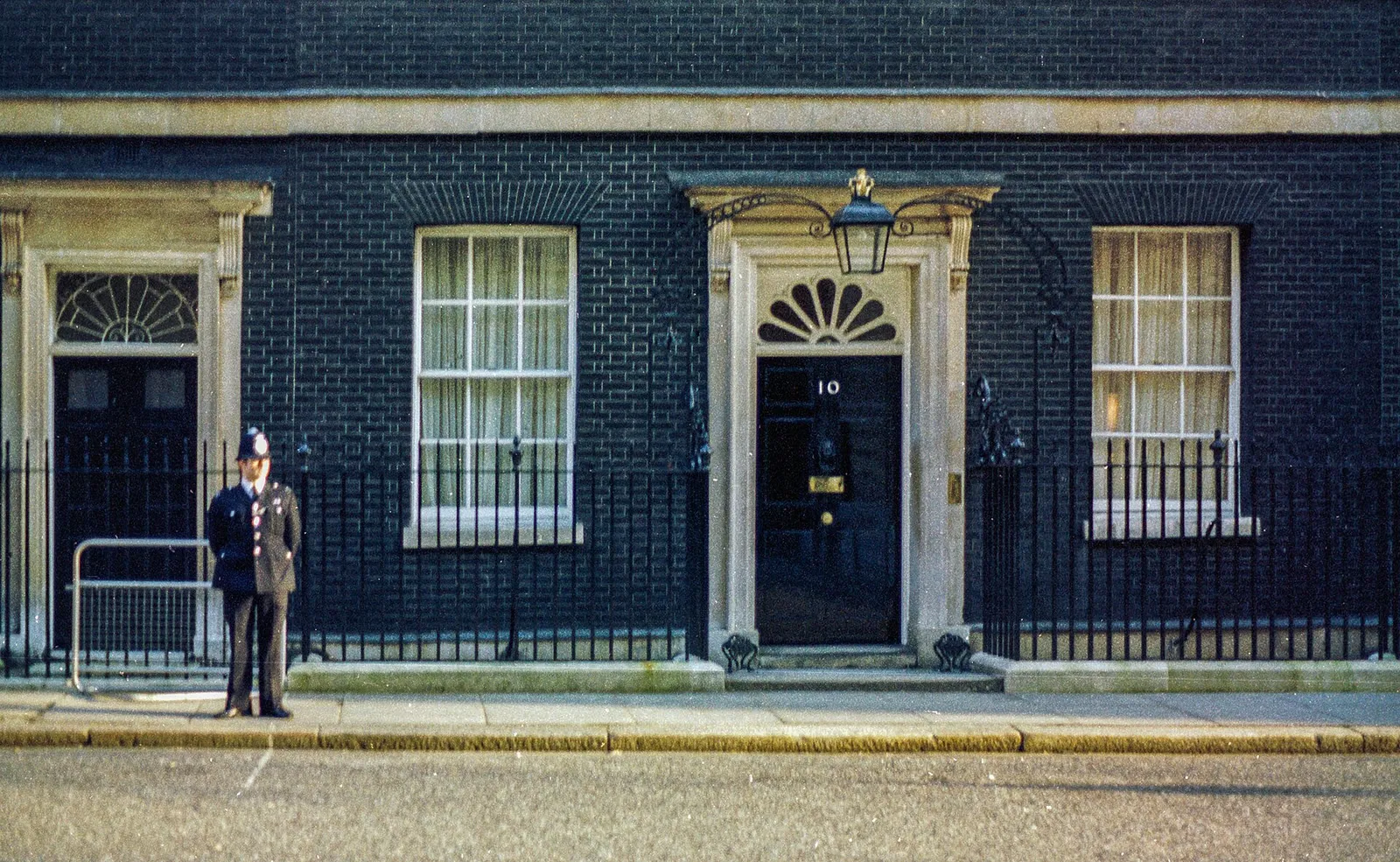
Keir Starmer announced on June 22, 2026 that he would resign as Labour leader and prime minister, staying in office until his party chooses a successor. The trigger was political, not economic: after the rapid rise of the hard-right Reform UK party and a punishing set of May local-election results, Starmer faced months of pressure from Labour MPs and ministers, CNBC reported. His likely successor, former Greater Manchester mayor Andy Burnham, would become the UK's seventh prime minister in a decade.
For a non-UK reader, the stakes are straightforward: whoever wins inherits the keys to one of the world's largest economies and immediate responsibility for a delicate set of public finances that investors price daily through the government bond — or "gilt" — market and the pound.
A growing but slow economy
The near-term data is better than feared. UK real GDP rose 0.6% in the first quarter of 2026 and expanded 1.4% over full-year 2025, the Office for National Statistics reports — positive but modest growth.
Inflation has cooled but not disappeared. Consumer price inflation was 2.8% in the spring, and the Bank of England held its policy rate at 3.75% on June 17 in a 7–2 vote, with two members preferring a hike, per the Bank's June minutes — a signal that further rate cuts are not assured.
The fiscal box
Here lies the real constraint. Public sector net debt stood at about 95% of GDP by late spring — levels last seen in the early 1960s, the ONS reports. Borrowing in the year to March 2026 was £132.0 billion, or 4.3% of GDP.
At the November 2025 budget, Chancellor Rachel Reeves rebuilt fiscal "headroom" against her rule that the current budget reach surplus by the end of the decade — to about £22 billion, up from under £10 billion forecast in March, the Institute for Fiscal Studies notes. She did so largely through tax rises weighted toward the back end of the parliament, pushing the UK tax burden toward roughly 38% of GDP, the highest on record.
The trade-offs
The next prime minister faces a three-way bind: raise taxes further (politically costly with the burden already near record highs), cut spending (resisted by the party's left and by ministers who quit over defense funding), or loosen the borrowing rules (which risks the bond market's confidence). Each lever pushes against the others.
Why markets care
Market reaction to Starmer's exit was contained but watchful, with sterling trading near $1.32. Analysts had earlier warned that markets may be underpricing a Burnham win and that any perceived loosening of fiscal discipline could pressure gilts and the pound, CNBC reported. Higher gilt yields raise the government's own borrowing costs, tightening the fiscal box further.
This is analysis, not prediction: the figures above are reported facts and attributed forecasts. What the next leader does with them — and how convincingly they reassure bondholders — remains the open question.