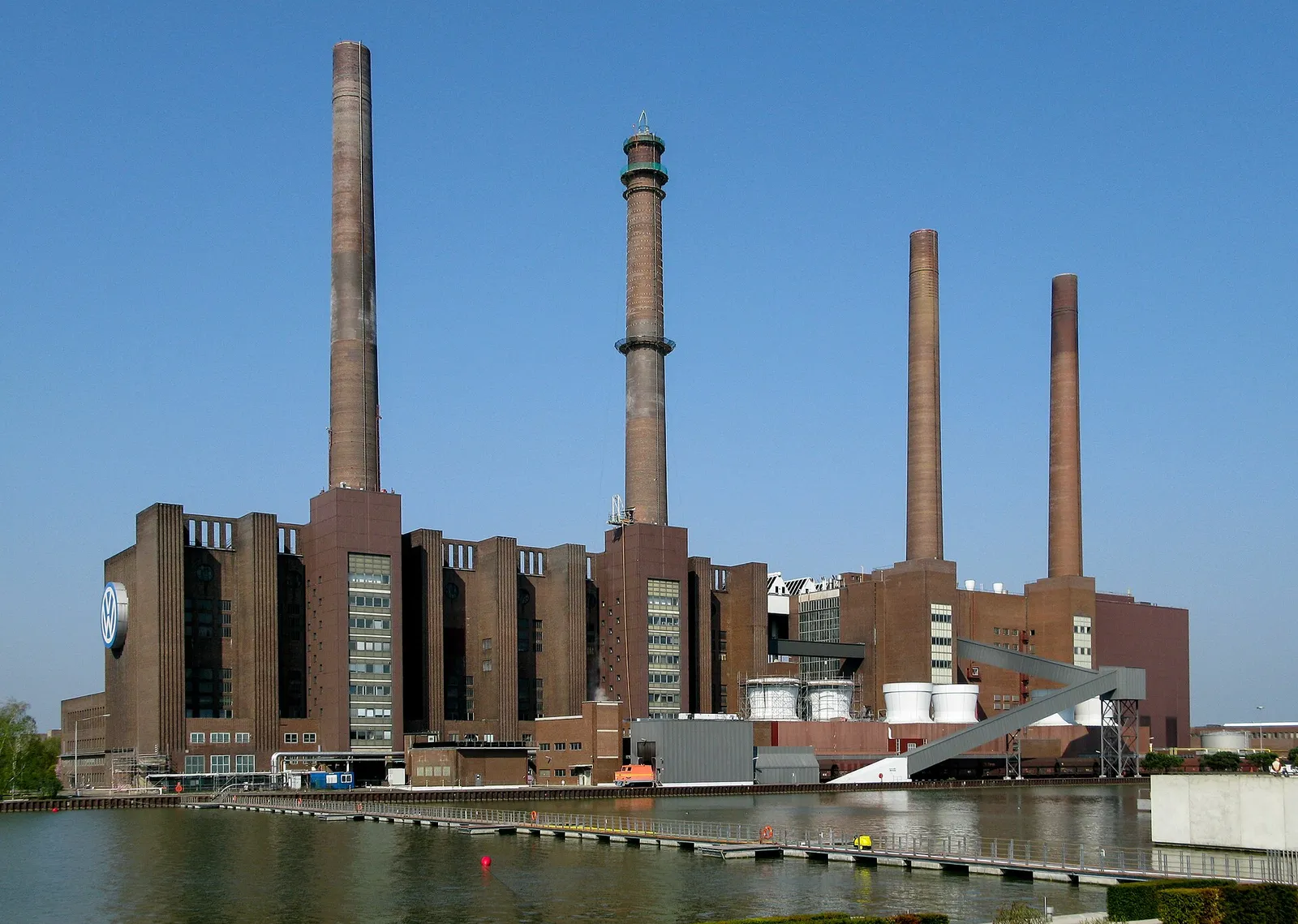
Europe's largest carmaker is signaling still deeper cuts. Volkswagen's chief executive, Oliver Blume, told employees that the company may need to shed roughly 50,000 more jobs to become competitive, CNBC reported. Because VW had already agreed to about 50,000 reductions, the new warning points to a potential total of around 100,000 jobs across the group, which includes brands such as Audi and Porsche. Blume put the problem bluntly: VW's costs run about 20% higher than comparable rivals, a gap he argues it cannot sustain.
What the board rejected
The warning followed a setback for management. VW's supervisory board rejected a sweeping restructuring plan that would have included closing four German plants, at Emden, Hanover, Zwickau and Neckarsulm, as the Guardian reported. That outcome reflects a feature of German corporate governance known as "co-determination," under which worker representatives hold half the seats on the supervisory board. Together with the state of Lower Saxony, VW's second-largest shareholder and a reliable ally of the unions, labor has the votes to block plant shutdowns and forced redundancies.
So the company is caught between a management convinced it must cut hard and fast, and a board structurally resistant to the harshest measures. Blume has floated softer alternatives for underused factories, such as building Chinese-designed VW models in Europe or taking on defense-related work, rather than closing them outright.
Why VW is under such pressure
The pain is not really about one bad year; it is structural. In China, long VW's biggest and most profitable market, homegrown electric-car makers have surged, taking sales and squeezing prices. US tariffs are adding costs, particularly for the premium Audi and Porsche brands. The shift to electric vehicles demands huge upfront investment while older combustion-engine plants sit underused. And VW carries the high labor costs and large German workforce built up over decades, which look increasingly heavy against leaner competitors.
The result is thin profitability and a share price that has languished. Cutting costs is how management hopes to restore margins; the question is how much, how fast, and at whose expense.
Why it matters
VW is not just a company; it is a pillar of the German economy and one of its largest employers, so a retreat on this scale is a national event as well as a corporate one. It is also emblematic of a wider reckoning across Europe's car industry, where legacy automakers face the same forces at once: fast-improving Chinese rivals, an expensive electric transition, and trade barriers reshaping where cars are made and sold. VW's struggle to reconcile the math of competitiveness with the politics of German jobs is a preview of a fight the whole industry may have to have. This article is informational and not investment advice.