Volkswagen is shedding control of one of its biggest non-automotive businesses. The German group has agreed to sell a 51% majority stake in Everllence — the heavy-engine maker formerly known as MAN Energy Solutions — to the U.S. private-equity firm Bain Capital, in a deal that generates about €7.4 billion (roughly $8.4 billion) for Volkswagen, The Maritime Executive reported.
The deal
Announced June 24, the transaction hands Bain a controlling stake while Volkswagen keeps the remaining 49% "in the medium term," staying a major shareholder during the transition, Bloomberg reported. The deal — a leveraged buyout expected to rank among Europe's largest industrial carve-outs of the year — values the whole business at around €8 billion. It is subject to employee consultations and regulatory approvals, with Volkswagen aiming to close by the end of 2026. Bain won out over rival bidders that, according to Reuters, included CVC and EQT.
A divestiture is the sale of a business a company no longer sees as core. Private equity firms like Bain raise money from investors and buy companies — often using borrowed money — aiming to improve and sell them within several years.
What Everllence does
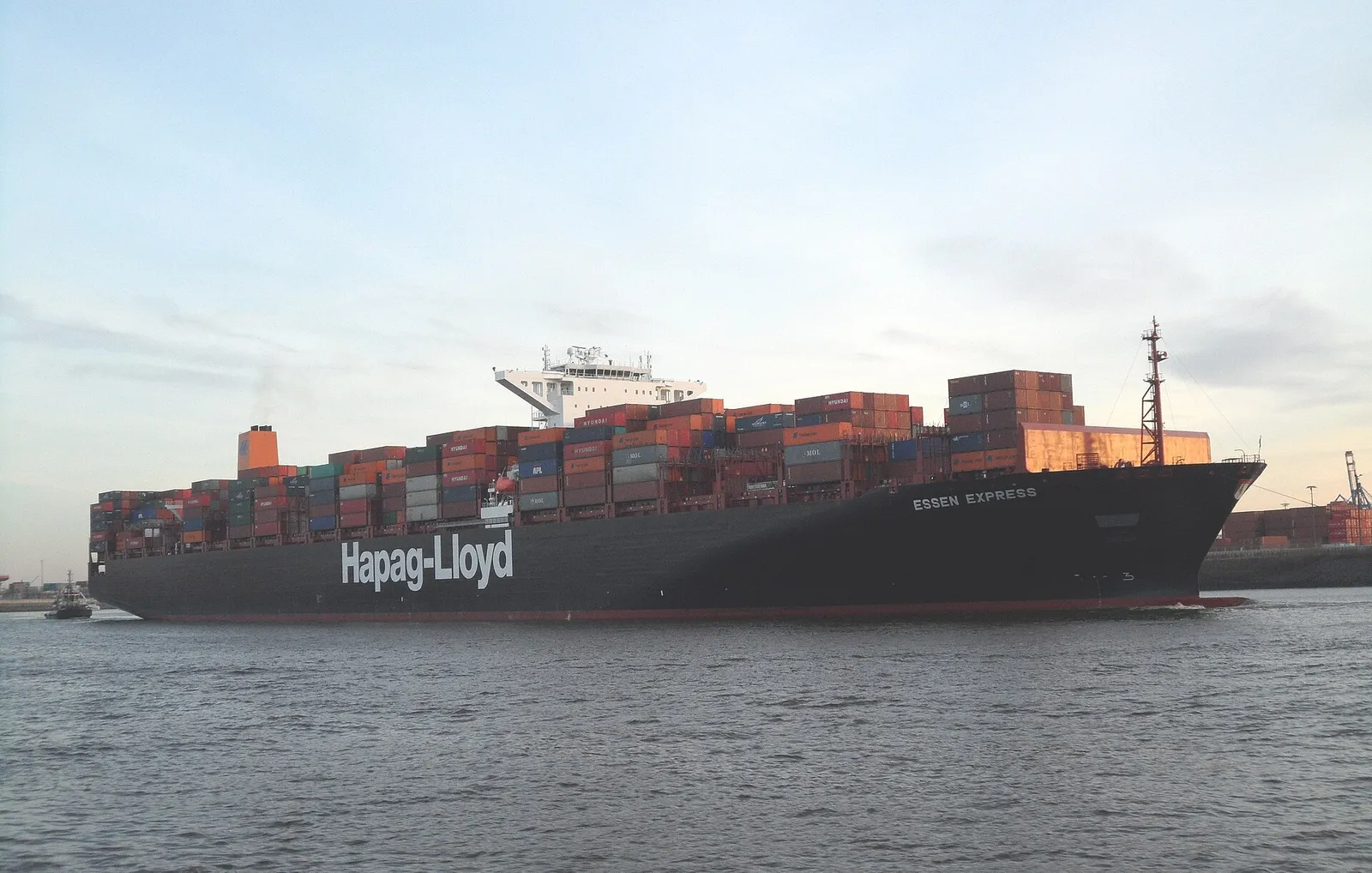
Everllence, based in Augsburg, Germany, builds large two- and four-stroke diesel and gas engines for ships, along with industrial turbomachinery such as compressors and turbines. Its engines power a large share of the world's merchant fleet, making it a critical supplier to global shipping. The company was carved out of MAN's truck business and rebranded from MAN Energy Solutions in 2025. It is also pursuing newer markets, including lower-emission marine engines and the diesel generators increasingly in demand to power artificial-intelligence data centers.
Why Volkswagen is selling
The sale is part of a broader effort to simplify a sprawling group and concentrate capital on cars at a difficult moment. Volkswagen is absorbing the heavy costs of the electric-vehicle transition, fierce competition from Chinese automakers, and a profitability squeeze severe enough that it weighed unprecedented plant closures in Germany. Holding a large industrial-engine business alongside that becomes harder to justify, and the proceeds give Volkswagen financial breathing room.
By keeping 49%, Volkswagen retains exposure to any upside if Bain succeeds in growing Everllence — while handing day-to-day control, and the financial risk, to a new owner focused solely on the engine maker. For Bain, the bet is that a standalone Everllence, freed from competing for attention inside an automaker, can move faster into growth areas like data-center power and cleaner marine propulsion. Whether that thesis pays off will play out over the years private-equity owners typically hold a business before selling it on.