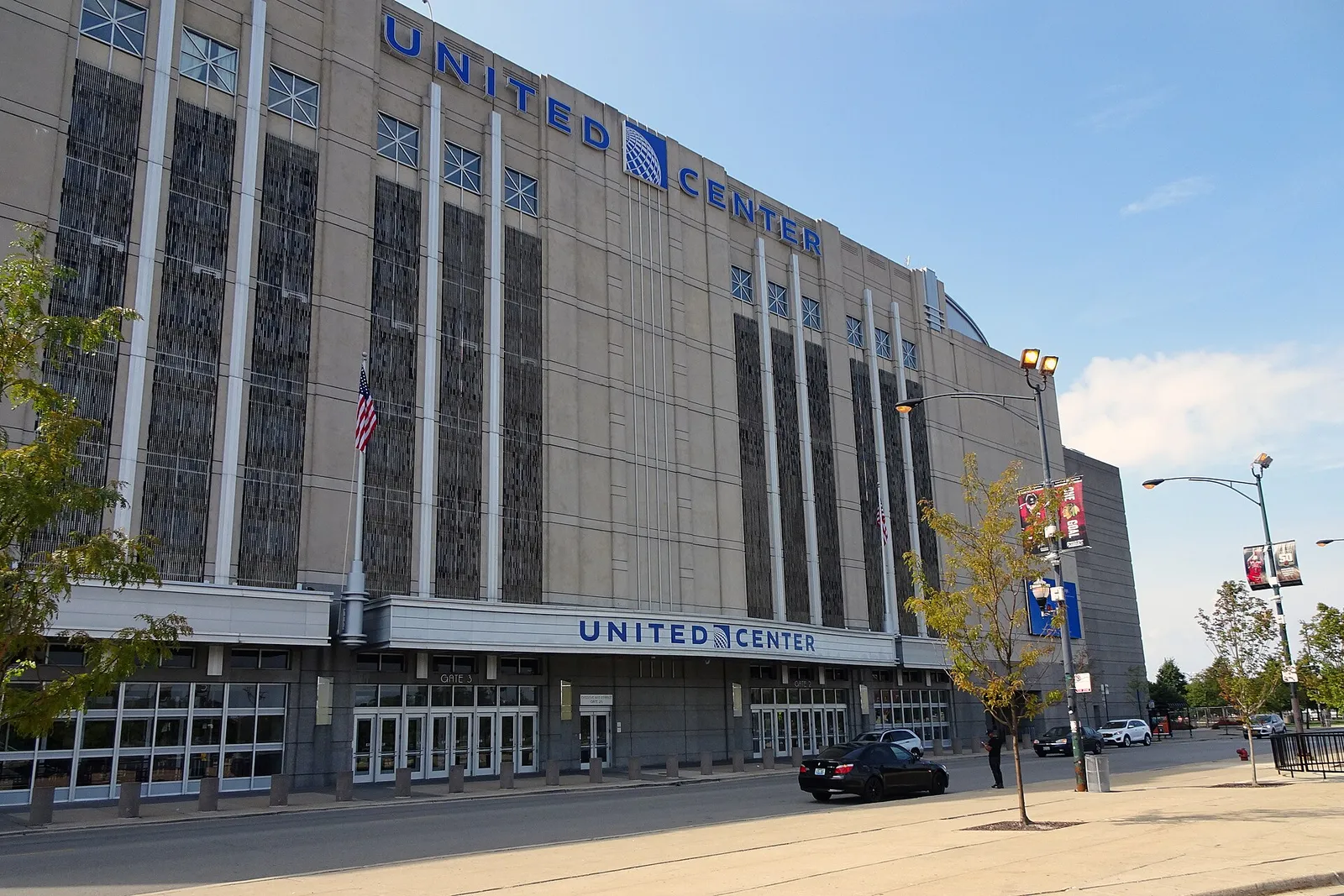
Lukas Walton and his wife, Samantha, have bought a minority stake in the Chicago Bulls and the United Center, the team announced June 26, according to NBC Chicago. Financial terms — the size of the stake, the price, or the valuation it implies — were not disclosed.
Who Lukas Walton is
Walton, 39, is the grandson of Walmart founder Sam Walton and the son of John T. Walton, who died in a plane crash in 2005. He ranks 40th on Forbes' 2026 billionaires list, with an estimated net worth of about $45 billion, NBC Chicago reported. Much of his activity runs through Builders Vision, a Chicago-based investment and philanthropy platform he founded in 2017 that focuses on clean energy, ocean health and sustainable food.
A minority stake is an ownership share that falls short of control. Minority holders generally have little say over day-to-day decisions but share in the financial upside — distributions from the team's revenue and any rise in its value — without running the club.
Who still runs the team
The deal does not change who is in charge. The Reinsdorf family keeps its controlling interest in the Bulls, and the Reinsdorf and Wirtz families retain control of the United Center, which the Wirtzes' NHL Blackhawks also call home. Jerry Reinsdorf has controlled the Bulls since 1985 and oversaw the franchise's six championships in the Michael Jordan era; his son Michael now runs the team.
"We are pleased to welcome Lukas and Samantha, who share our deep-seated belief in Chicago," Michael Reinsdorf said in the announcement. The Waltons said the investment "reflects our dedication to the city's future." Both families are behind the 1901 Project, a $7 billion private redevelopment of the area around the United Center on Chicago's Near West Side.
Why the rich keep buying sports teams
The Walton purchase fits a fast-growing pattern: ultra-wealthy individuals and investment funds taking minority positions in big-league franchises as those teams' values climb. Independent estimates rank the Bulls among the NBA's most valuable clubs — CNBC valued the team at $6.45 billion in February, fifth in the league, in its 2026 franchise rankings.
The math behind those valuations is driven largely by media rights. The NBA's new national television package, which runs for more than a decade, sharply raises the league-wide revenue that flows to each team — and higher, more predictable revenue lifts what a franchise is worth. That has made sports teams attractive to investors who see them as a scarce asset that tends to appreciate and does not move in lockstep with the stock market. The NBA has gradually loosened its rules to let institutional money in, including raising the number of teams a single private-equity fund may hold stakes in.
For Walton, the investment is also local: Builders Vision is based in Chicago, and the family framed the deal as a civic commitment as much as a financial one. How much influence a minority owner actually has over a project like the 1901 redevelopment depends on the partnership terms — which, like the rest of the deal, were not made public.