This is reporting and analysis, not investment advice.
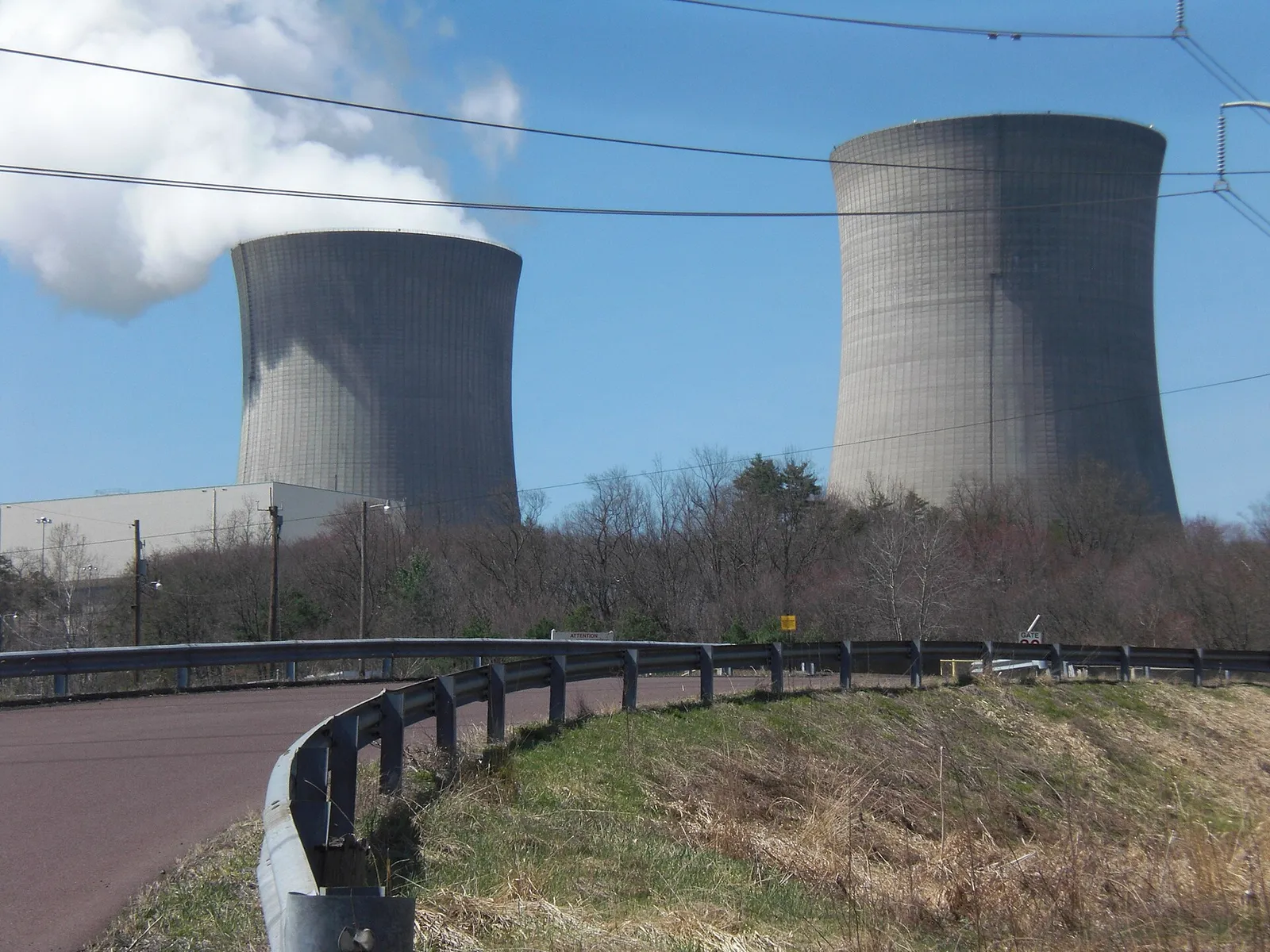
The biggest US retailer is going nuclear. Walmart has agreed to buy roughly 176 megawatts of nuclear power from Constellation Energy, the largest operator of nuclear plants in the United States, the companies announced — the retailer's first such deal. The power will come from Constellation's Dresden Clean Energy Center in Illinois under two 15-year agreements beginning in 2029 and 2030, and will help supply a new Walmart distribution center in Belvidere, Illinois. Financial terms were not disclosed.
The mechanics, in plain English
A deal like this is a power purchase agreement (PPA) — a long-term contract to buy electricity at agreed terms, which gives the buyer price certainty and the generator guaranteed revenue. A megawatt is a unit of power; 176 MW is enough to run a large industrial site continuously. Notably, Constellation isn't building a new reactor: roughly 30 MW of the supply comes from "uprates" — efficiency upgrades that squeeze more output from the existing Dresden plant, adding capacity to the grid without new construction.
The appeal of nuclear here is one word: baseload. That's steady, around-the-clock power. Wind and solar are cheap and clean but intermittent — they stop when the wind drops or the sun sets — so a factory or distribution hub that runs 24/7 can't lean on them alone without expensive batteries. Nuclear runs constantly and emits no carbon while doing so, which is exactly what a company with a net-zero pledge and an always-on operation wants.
Why this is suddenly a trend
Walmart is following a path big technology firms blazed over the past year. The defining example: Constellation's deal with Microsoft to restart the shuttered Three Mile Island reactor in Pennsylvania under a 20-year contract for around 835 MW, as Utility Dive reported — far larger than Walmart's deal, and aimed at powering AI data centers. Amazon, Google and Meta have all struck nuclear agreements too, from restarts to next-generation small reactors.
The driver behind the tech deals is AI: training and running large models takes enormous, uninterrupted electricity, and data-center demand is straining grids. Walmart's deal shows the same hunger spreading beyond Big Tech to any large industrial buyer that wants reliable clean power and a hedge against volatile energy markets.
What it signals
For the nuclear industry, this is a striking revival. After decades in which plants were retired and few new ones built, operators like Constellation now find blue-chip customers willing to sign 15- and 20-year contracts — turning aging reactors from liabilities into prized, long-lived assets and making the economics of restarts and upgrades work.
For power markets, the message is that the era of cheap, carbon-heavy electricity is giving way to one where large users will pay a premium for clean, firm supply — and where corporate buyers, not just utilities, increasingly shape where that power comes from. And for investors watching the space, deals like this are why Constellation and other nuclear operators have drawn fresh attention: the demand for 24/7 clean power is real, and it is being locked in years ahead. None of that is a recommendation — but it is a genuine shift in how the lights (and the servers) will be kept on.