This is general information, not financial advice. What you can afford depends on your own finances.
A wedding is one of the largest discretionary purchases many people ever make — and one of the easiest to overspend on. The good news: the biggest cost lever is also the one most within your control.
The headline number — and why it misleads
The Knot's 2026 Real Weddings Study, based on more than 10,000 couples who married in 2025, put the average U.S. wedding at about $34,200. Treat that as a reference point, not a target. A handful of very expensive weddings pull the average up, and the regional range is enormous: New Jersey averaged around $57,000 and New York City about $88,000, while states like Wyoming, Idaho and Utah came in closer to $17,000–$18,000, per NerdWallet's read of the data. Your city and your choices matter far more than the national figure.
Where the money goes
The venue is the single biggest line, averaging around $12,900 — and once you add catering (roughly $80 a head) and alcohol, food-and-venue alone can eat half the budget. After that come photography ($3,000), flowers ($2,800), music (a band ~$4,500, a DJ ~$1,800), and a long tail of smaller items. Couples hire about 13 vendors on average, and each category often carries a "wedding markup" — the same service priced higher when it's billed as a wedding.
The one number that controls everything
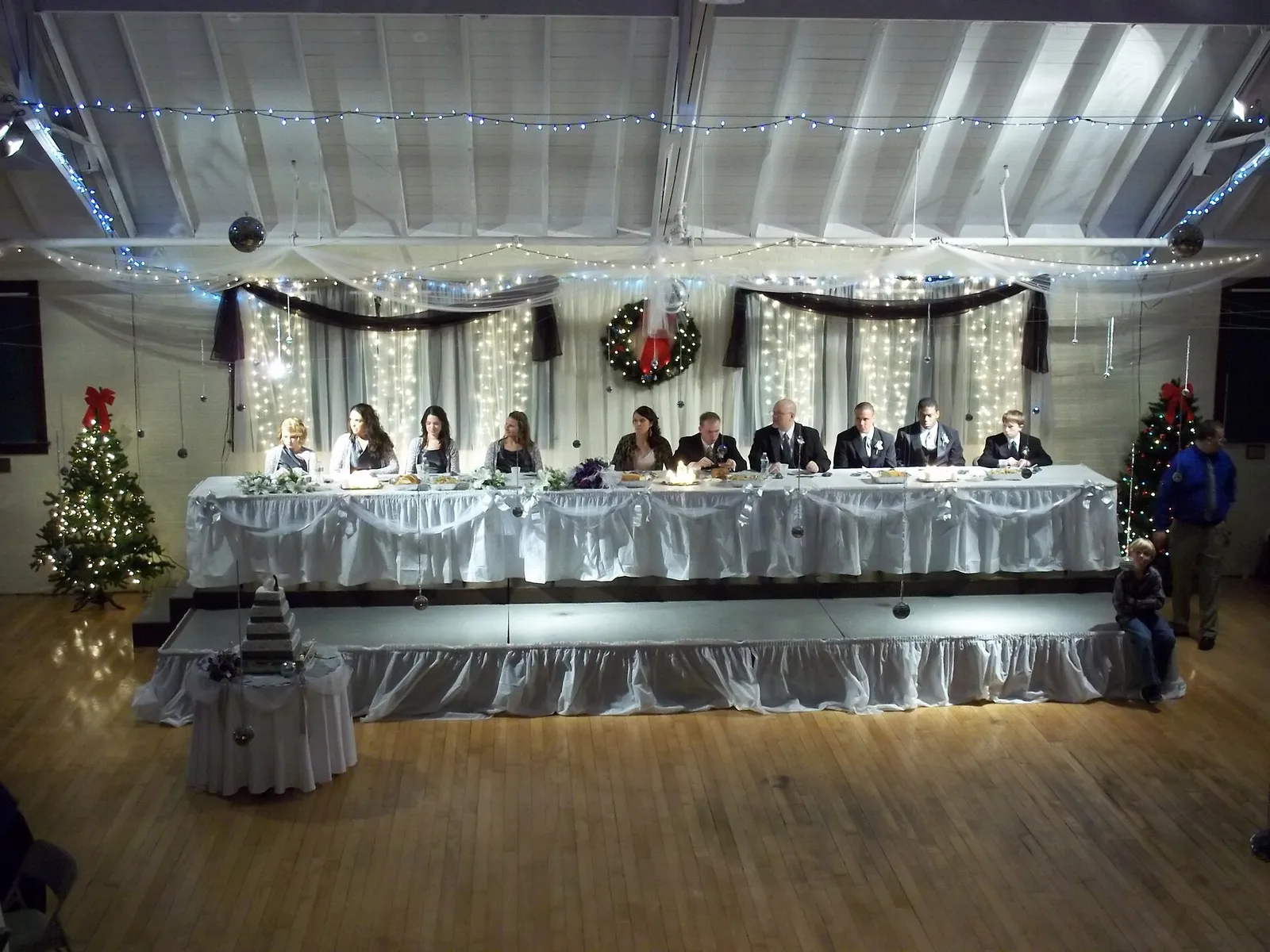
Guest count is the master variable. The Knot's data shows the relationship plainly: weddings with 1–50 guests averaged about $17,100, those with 100-plus averaged $43,300. The average wedding has 117 guests at roughly $292 per person. Trimming 20 names doesn't just save 20 dinners — it shrinks the venue you need, the centerpieces, the favors, the cake and the bar simultaneously. Per-guest costs compound, which is why the guest list is the most powerful lever you have.
Why budgets blow up
Three forces push spending past the plan: scope creep (a photo booth here, upgraded linens there, each small alone), guest-list pressure (families that contribute often expect a longer list — couples whose families paid most averaged ~$39,600 versus ~$25,500 when the couple paid themselves), and the wedding premium on vendors.
Strategies that actually move the number
- Set a hard ceiling before you tour a single venue. Anchoring to a lower number is much harder after you've fallen for a space.
- Treat the guest list as the primary tool, not the last thing you trim.
- Shift the date. Friday/Sunday and off-peak months (often January–March) can cut venue costs meaningfully.
- Pick two or three priorities — say food, photos and music — and economize on the rest.
- Get itemized quotes so you can see exactly what to cut.
How couples pay — and a caution
Paying from savings is the cleanest route: no interest, no debt carried into a marriage. Some couples bridge a gap with "wedding loans," which are simply unsecured personal loans; rates can run into double digits for borrowers without strong credit, making a one-day event meaningfully more expensive over years of repayment. Credit cards without a payoff plan carry the same risk, often at higher rates. Financial planners generally caution against funding a wedding with high-interest debt — especially when the same cash could go to an emergency fund or a home down payment — though every household's situation differs.
The reassuring bottom line from the data: couples who spent under $15,000 averaged about $8,900, proof that a meaningful celebration well below the national average is achievable. National averages tell you what others spent; they don't tell you what you can afford. A $15,000 wedding paid in full is healthier than a $40,000 one that takes three years to clear.