This is general information, not financial advice. Adapt the guidance to your own situation.
An emergency fund is the least glamorous, most useful thing in personal finance — and most people don't have enough of one.
What it is
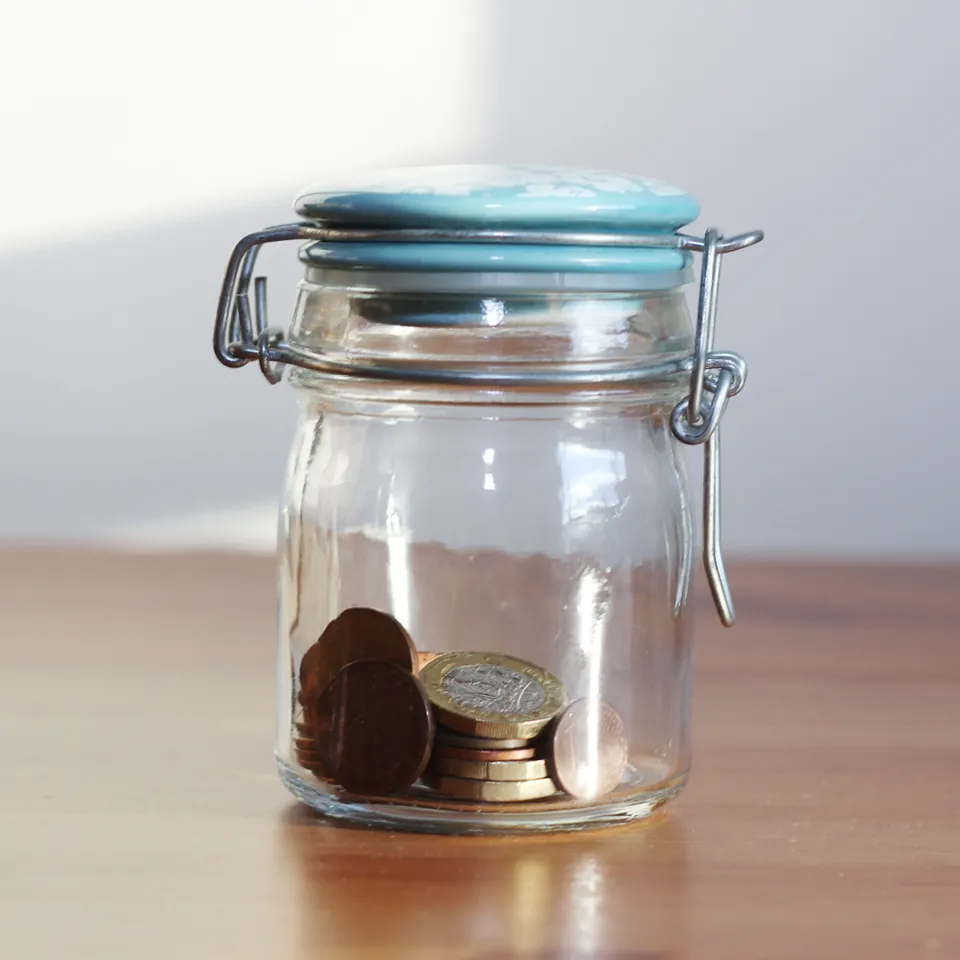
An emergency fund is cash set aside specifically for unplanned costs or a loss of income — a car repair, a medical bill, a job loss. The Consumer Financial Protection Bureau calls it money "set aside for unplanned expenses or financial emergencies." The defining feature is that it's cash: available fast, without penalty, and not riding on a market that could be down exactly when you need it.
Why it matters
The gap between what people think they should save and what they hold is wide. In the Federal Reserve's 2024 well-being survey (released May 2025), only 55% of adults said they had enough set aside to cover three months of expenses, and 37% said they couldn't cover even a $400 surprise from cash or savings, per the Fed. Bankrate's 2026 report found nearly a quarter of Americans have no emergency savings, and fewer than half could cover a $1,000 bill from savings, according to Bankrate. Without a buffer, people lean on high-interest credit cards — turning a one-time shock into lasting debt.
How big: 3 to 6 months of essentials
The standard benchmark, endorsed by the CFPB and financial planners, is three to six months of essential expenses — not total spending. Essentials are what keeps the household running: rent or mortgage, utilities, groceries, insurance and minimum debt payments. Subscriptions and dining out don't count. If your essential costs are $3,000 a month, three months is $9,000 and six is $18,000.
Aim higher if you have a single income, variable or freelance earnings (planners often suggest 9–12 months for the self-employed), work in a narrow job market, or support dependents. A dual-income household with very stable jobs might sit at the lower end.
Where to keep it
Three rules: liquid (accessible in a day or two without penalty), safe (principal not at risk), and separate from checking (so you're not tempted to spend it). A high-yield savings account at an FDIC-insured bank or NCUA-insured credit union is the standard home — competitive interest, fully liquid, insured to $250,000. Not the stock market, and not a retirement account, where early withdrawals trigger taxes and penalties; a downturn that costs you your job could also be sinking your investments at the worst moment, the CFPB notes.
How to build it
Few people hit the full target overnight. Two habits help:
- Start with a smaller goal. A common first milestone is $1,000 — enough to handle many everyday emergencies without a credit card — then build toward one month of essentials, then three, then six.
- Automate it. Set a recurring transfer from checking to savings each payday, or split your direct deposit so a fixed amount lands in savings first. Treating saving as a bill beats saving "whatever's left." Windfalls — tax refunds, bonuses — can close the gap faster.
Common mistakes
- Investing it. Stocks introduce exactly the risk an emergency fund is meant to avoid.
- Raiding it for non-emergencies. Planned costs (holidays, a known car service) belong in a separate "sinking fund," not the emergency reserve.
- Not replenishing. After you draw on it, rebuild it back to target.
- Waiting for the perfect amount to start. Any balance beats none; a $500 cushion already prevents some debt.
The bottom line: an emergency fund won't grow your wealth, but it's the thing that keeps a bad week from becoming a financial spiral — and the right size is whatever covers your essentials for as long as it might realistically take to recover.