This is general information, not investment advice.
When central banks move interest rates, the value of trillions of dollars of bonds moves with them — usually in the opposite direction you'd expect. Here's why.
What a bond is
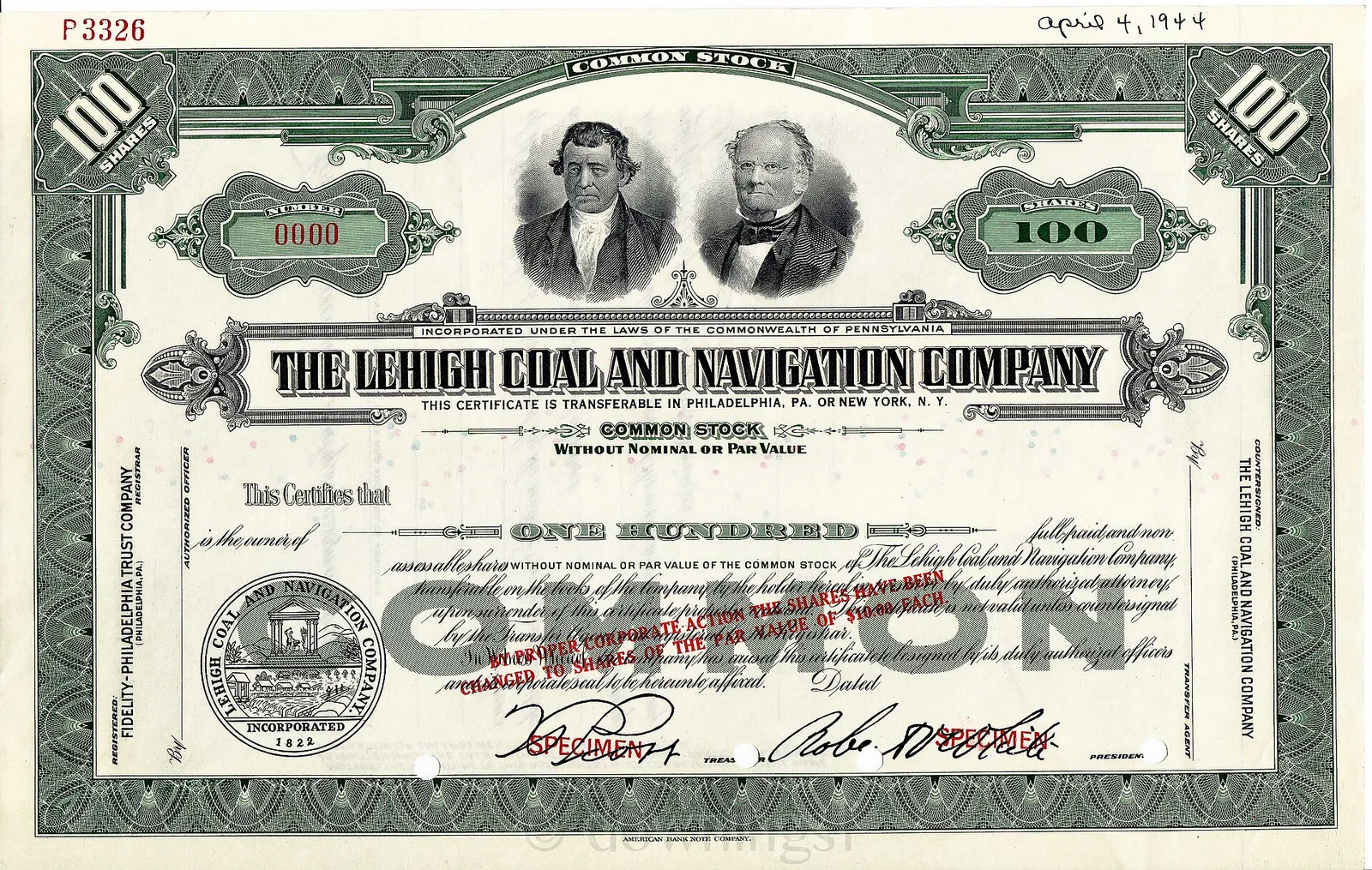
A bond is a loan. Buy one and you're lending money to the issuer — a government, city or company — in exchange for a promise to pay you periodic interest and return your principal on a set date. The SEC's Investor.gov calls it "a debt security, like an IOU." Bonds are also called fixed income because the interest is set in advance.
Key terms: the issuer (borrower); the face value (par) repaid at the end, usually $1,000; the coupon rate, the annual interest as a percent of face value (a 5% coupon on $1,000 pays $50 a year); the maturity date; and the yield, the actual return you earn given the price you paid.
The part that confuses everyone
Why do prices and yields move in opposite directions? Work through an example. You paid $1,000 for a bond with a 3% coupon — $30 a year. Then market rates rise, and new, similar bonds pay 5% — $50 a year. No one will pay you $1,000 for $30 of income when they can get $50 for the same money. So your bond's price must fall until that fixed $30 represents a competitive yield. The coupon is frozen; the price does the adjusting.
It runs both ways. If rates instead drop to 1%, your $30-a-year bond looks generous, buyers bid its price up above $1,000, and its yield falls toward the new lower rate. Hence FINRA's rule of thumb: "When interest rates rise, bond prices generally fall. When interest rates fall, bond prices generally rise."
Yield to maturity, in one line
Yield to maturity (YTM) is the complete measure: the total annual return if you buy at today's price and hold to maturity. It folds in the coupons, the gap between price and face value, and the time left — letting you compare bonds with different coupons and prices on equal footing.
Two risks to know
Interest-rate risk. Rising rates push down the price of bonds you already hold. The longer the maturity, the bigger the swing — a 30-year bond moves far more than a 2-year note. Duration measures that sensitivity: a bond with a duration of 7 loses roughly 7% of its value for each 1-percentage-point rise in rates (and gains about as much if they fall).
Credit risk. The chance the issuer can't pay. Agencies like Moody's and S&P grade issuers: investment-grade bonds (roughly BBB- and up) are safer and pay less; high-yield or "junk" bonds pay more to compensate for higher default risk. U.S. Treasuries are treated as effectively free of credit risk, backed by the federal government.
Why bonds matter to you
- Income: predictable coupon cash flow — useful in retirement.
- Diversification: bonds often hold up (or rise) when stocks fall, cushioning a portfolio; the classic 60/40 stock-bond mix rests on this.
- Capital preservation: held to maturity, a bond returns its face value regardless of price swings along the way — provided the issuer doesn't default.
- Bond funds: most people own bonds via mutual funds or ETFs holding hundreds of issues. They add diversification and easy trading, but a bond fund never "matures" — its price keeps floating with rates.
Why it's topical
Interest rates have been the dominant force in markets. When central banks raised rates sharply to fight inflation, bond prices fell across the board, including on long-dated government debt; when they pivot toward cuts, existing bonds tend to gain. Understanding the price-yield seesaw is what lets you read those moves instead of being surprised by them. For decisions specific to your situation, talk to a qualified professional.