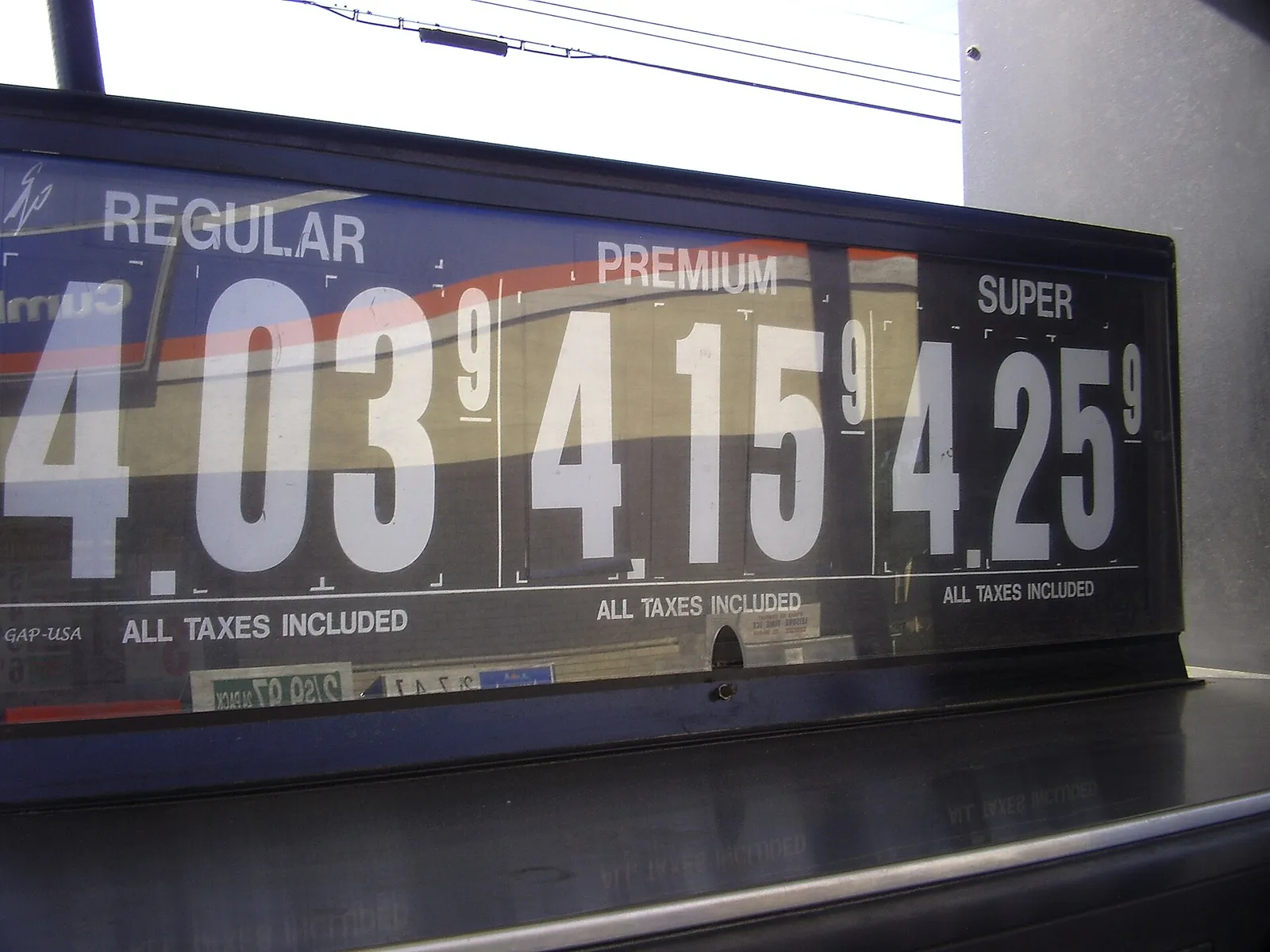
Pump prices are one of the most visible numbers in any economy — posted in giant digits on the roadside, felt by nearly every household. They also swing more than almost any other everyday price. In late June 2026, UK average diesel fell to about 167 pence a litre and petrol to about 151 pence, official government figures show — well down from the spring, when a Middle East flare-up had pushed diesel above 190 pence before tensions eased. Motoring group the RAC described the diesel drop as one of the biggest in decades.
So what actually sets the price of a fill-up? Five forces, mostly invisible.
1. Crude oil — the biggest single ingredient
The largest component of what you pay is the global price of crude oil, the raw petroleum that gets refined into fuel. Crude is traded in U.S. dollars on world markets, with Brent (the North Sea benchmark) and WTI (the U.S. benchmark) the headline grades. Crude typically makes up roughly half the retail price of gasoline, and a similar share for diesel. When crude falls — as it has since the spring, as feared supply disruptions failed to materialize — pump prices tend to follow. But rarely one-for-one, because of everything below. (Crude is unrefined oil; it can't go in your tank until it's processed.)
2. Refining and the "crack spread"
Crude has to be turned into usable fuel at a refinery, and refiners take a cut. The industry measures it with the crack spread — the gap between what a refiner pays for crude and what it earns selling the refined petrol and diesel. When that spread is wide, refining is very profitable; when it narrows, margins shrink.
For drivers, the key point is timing: when crude drops, refiners and retailers don't always pass the savings on immediately. If their margins have been squeezed, they may hold pump prices up for a while to rebuild them — which is why relief at the pump often lags a fall in oil.
3. Tax — the part that never moves with oil
A large slice of the pump price has nothing to do with oil markets: tax. In the UK, drivers pay a flat fuel duty of about 53 pence a litre regardless of the crude price, plus VAT at 20% on the whole total, the RAC notes. Together, taxes make up more than half of what a UK motorist pays. The mix varies hugely by country — U.S. fuel taxes are far lower, which is why American pump prices track crude more closely — but everywhere, the fixed tax slice means you never see the full benefit when oil gets cheap.
4. The exchange rate
Because oil is priced in dollars, the local-currency cost of fuel also depends on the exchange rate. A weaker pound (or euro, or yen) makes imported crude more expensive even if the dollar price hasn't moved; a stronger local currency works like a discount. So a country can face rising pump prices purely because its currency has fallen — and, conversely, a firming currency can amplify the relief when crude drops.
5. Seasonal demand
Finally, demand shifts with the calendar. Diesel doubles as heating fuel in many countries, so its price often carries a winter premium that fades in spring and summer. Gasoline tends to do the reverse, firming in the summer driving season. Because refineries can't instantly change the mix of products they make, these seasonal swings show up at the pump.
The bottom line
Next time the roadside number jumps or slides, it's worth knowing which lever moved. A fall in crude (as now) is the usual driver of cheaper fuel, but taxes cap how much you save, refining margins and retailer pricing decide how fast the cut reaches you, and the exchange rate quietly magnifies or offsets the whole thing. Boursel gives no advice on when to fill up; the point is simply that the price on the sign is the end of a long chain — and understanding it turns "fuel got cheaper" from a mystery into something you can actually read.