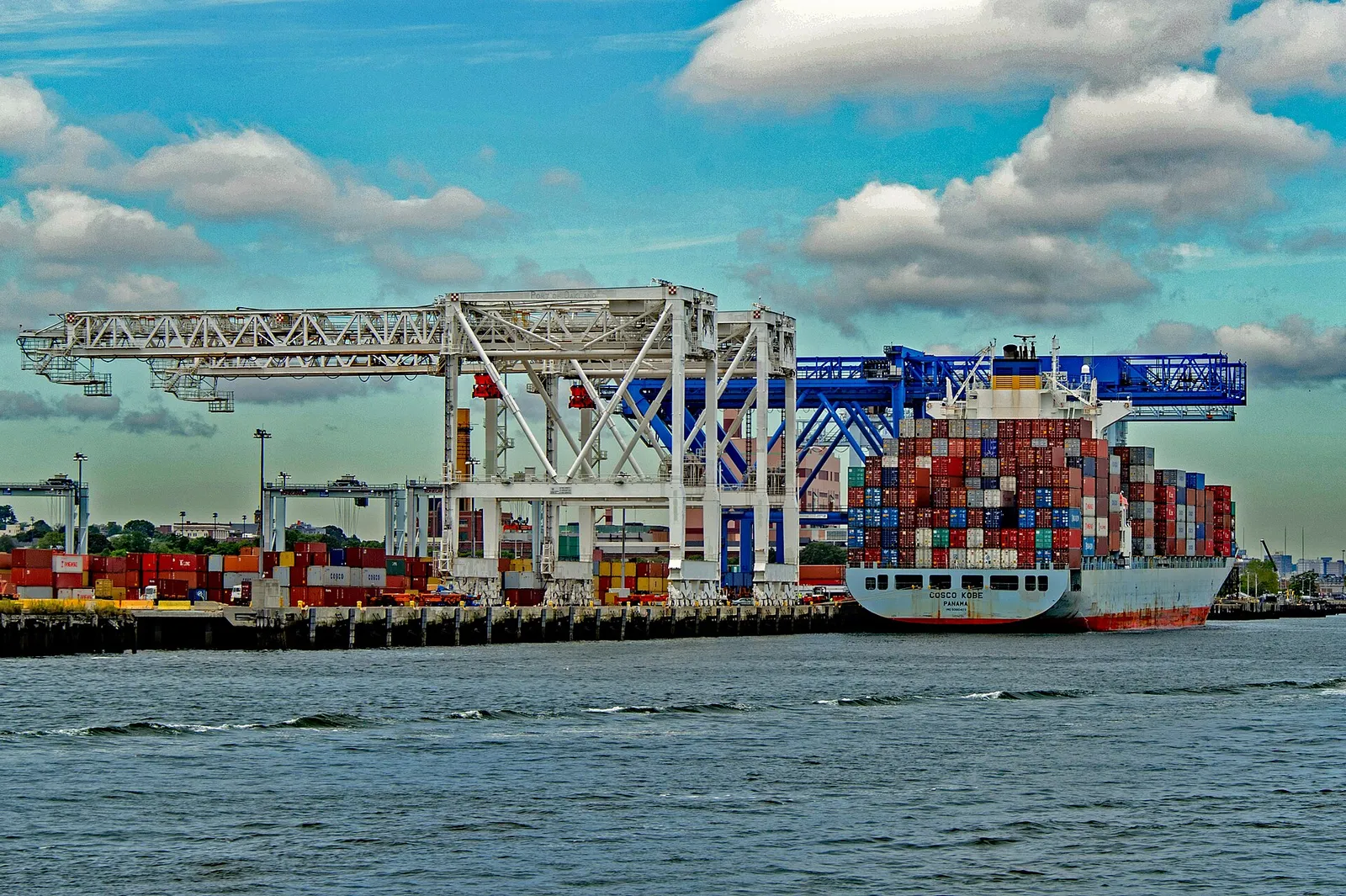
Asia's factories are finding a second wind — and the fuel is artificial intelligence. Surveys of manufacturers across the region showed activity expanding in June, driven by surging global demand for the hardware that powers AI, Reuters reported.
What the surveys show
The key gauge is the Purchasing Managers' Index (PMI) — a monthly survey of factory managers where a reading above 50 means growth and below 50 means contraction. In June, Japan's manufacturing PMI rose to roughly 54.8 (a solid expansion), and China's private-sector gauge held around 51.7. South Korea and Taiwan — Asia's chipmaking heartlands — also grew, with Taiwan posting one of its strongest readings in years. (Exact figures are from S&P Global's PMI compilers via Reuters.)
Why AI is the engine
The common thread is electronics. The world's scramble to build AI — data centers packed with semiconductors, memory chips and servers — is flooding Asia's tech-exporting factories with orders. The scale showed up in Micron's latest results: the US memory maker reported a record roughly $41.5 billion in quarterly revenue, up from about $9 billion a year earlier, and said its premium AI memory is sold out into 2027, CNBC reported. That demand lands directly on the production lines of South Korea, Taiwan and Japan.
(Explainer: a PMI is a timely read on manufacturing — quicker than official GDP data. Because it surveys new orders, output and hiring, a rising PMI suggests factories are busier and more confident.)
The catch: it's a narrow boom
The strength is uneven. This is essentially an AI-hardware upturn, concentrated in the tech supply chain — not a broad, all-boats-rising recovery. Factories making non-tech goods face softer demand, and two familiar headwinds hang over the region:
- Tariffs. US import tariffs, including on some chips and electronics, threaten to disrupt the very trade flows now lifting Asia — a risk Boursel has tracked through the tariff era and reshoring push.
- Geopolitics and costs. Trade tensions and geopolitical uncertainty cloud the outlook, and input and energy costs remain a worry for manufacturers.
So the rebound is real but precarious: it rests heavily on a single, if enormous, source of demand.
Why it matters
For Asia's export economies — and their currencies — the AI wave is a genuine boost, keeping order books full and factories hiring in the chip hubs. For the global economy, the split screen is telling: a powerful, AI-driven manufacturing upcycle running alongside a lukewarm picture for everything else. And for investors, it reinforces a theme Boursel keeps returning to — that an unusual share of today's growth, in markets and in the real economy alike, traces back to the AI build-out. Boursel makes no forecast; the takeaway is that Asia's factories are busy again, but their fortunes are now tied tightly to whether the AI-hardware boom keeps running — and to whether tariffs are allowed to get in its way.