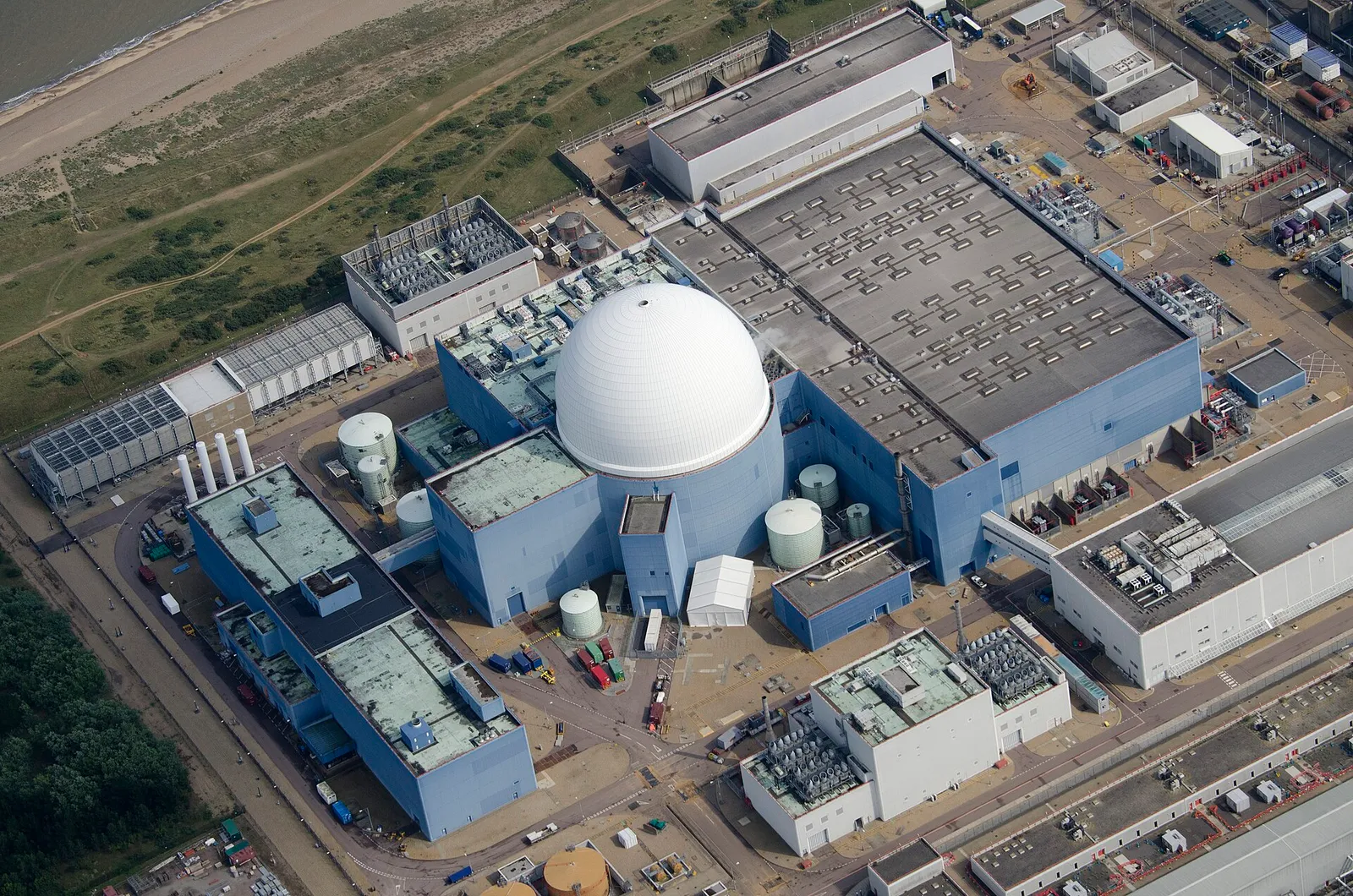
One of Britain's most reliable sources of low-carbon electricity has been handed two more decades of life. The government and EDF, the French state-owned energy company that runs the plant, have agreed to extend the operating life of Sizewell B, on the Suffolk coast, by 20 years, to 2055 rather than its planned 2035 closure, the UK government said. It is a bet that keeping an old reactor going is one of the cheapest ways to keep the lights on cleanly.
What was agreed
Sizewell B is a 1.2-gigawatt station, a gigawatt being a billion watts of capacity, that began generating in 1995 and was due to retire after 40 years. The deal nearly doubles that working life. To make it possible, EDF will spend about £800 million over the coming years refurbishing the plant, replacing ageing equipment during scheduled maintenance shutdowns, Reuters reported.
In return, the plant will be paid a fixed "strike price" of £70.50 per megawatt-hour for its power from 2035 to 2055, based on 2025 prices and rising with inflation, Reuters reported. That arrangement, a version of what is called a contract for difference, works both ways: when market power prices are higher than the strike price, the plant pays back the difference; when they are lower, consumers top it up. The aim is a predictable price rather than one that swings with volatile gas markets.
Why life extensions matter
The economic case is straightforward. Sizewell B supplies around 3% of the UK's electricity and enough to power roughly 2.5 million homes, according to the government. Crucially, it provides "baseload" power, a steady output that runs around the clock regardless of weather, unlike wind and solar. As Britain retires coal and gas, that dependable, zero-carbon generation becomes more valuable, not less.
Extending an existing reactor is dramatically cheaper and faster than building a new one. A refurbishment measured in hundreds of millions of pounds buys 20 years of output from a plant that already exists; a new station costs tens of billions and takes more than a decade. The extension also keeps around 900 skilled nuclear jobs on site, preserving expertise the country needs as it builds its next generation of plants.
The wider nuclear push
The move fits a broader British bet on nuclear power. The government has committed billions to Sizewell C, a large new plant next door that will not produce electricity until the 2030s, and Hinkley Point C, another new station, is a costly, long-delayed project running to tens of billions of pounds. Against that backdrop of expensive, slow new-build, squeezing more years out of a proven reactor looks like the low-risk, low-cost option.
Why it matters
For households and the economy, the appeal is stability. Locking in a fixed, inflation-linked price for a chunk of the country's power is a hedge against the kind of energy-price shocks that have driven bills sharply higher in recent years. For the wider push to cut emissions, keeping a large, zero-carbon plant running for another two decades buys time while new capacity, nuclear and renewable, is built. It is not a dramatic announcement, but it is a telling one: in an era of costly new energy projects, the cheapest clean power is often the plant you already have. This article is informational and not investment advice.