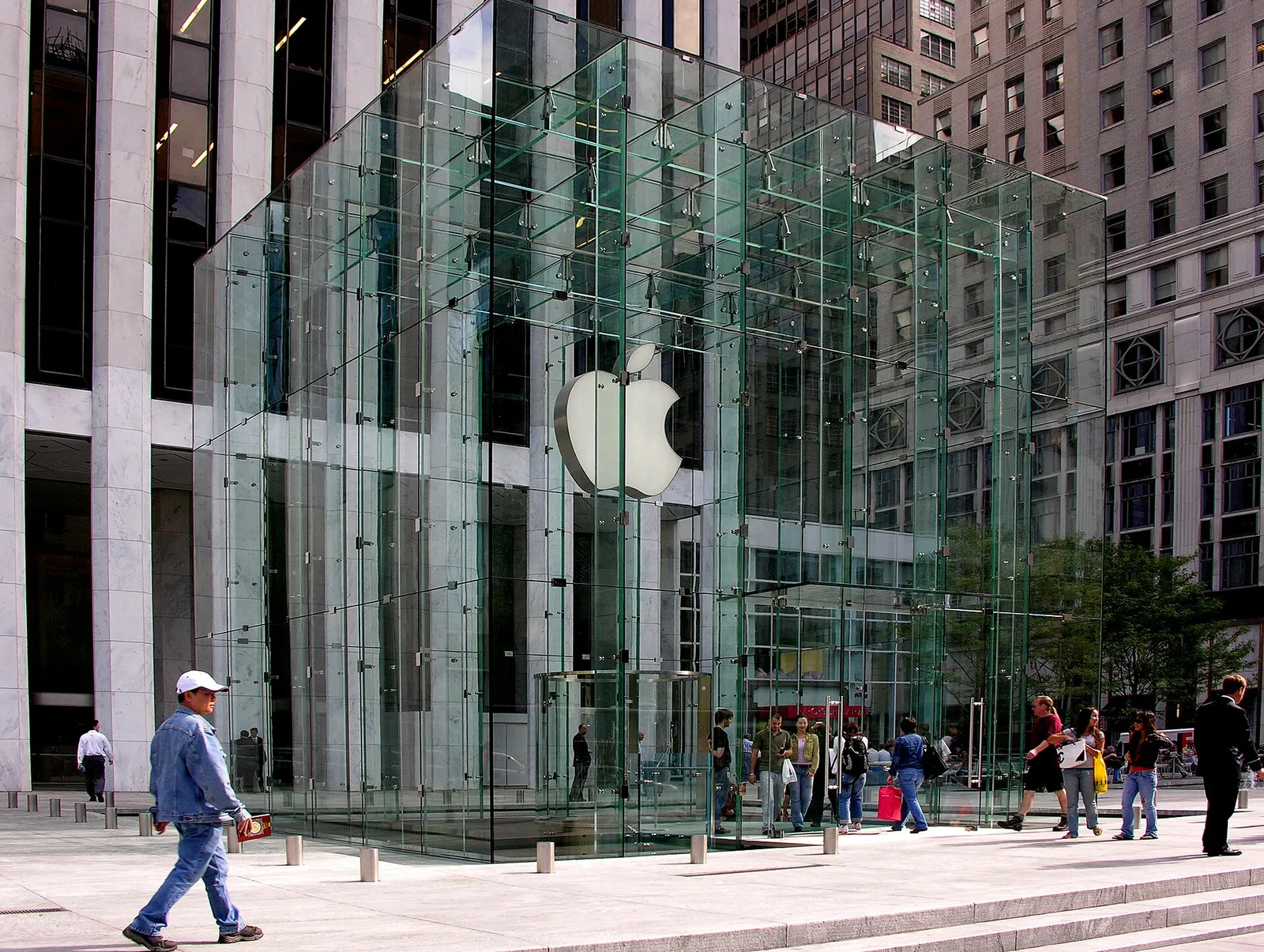
Apple, famously reluctant to raise hardware prices, did so across most of its lineup on June 25 — and pointed the finger squarely at a global shortage of memory chips.
What went up
The company lifted prices on Macs, iPads and some home and accessory products, Bloomberg reported, while leaving the iPhone, Apple Watch and AirPods unchanged. The entry-level MacBook (the "MacBook Neo") rose $100 to $699, and the MacBook Air climbed $200 to $1,299, with larger increases up the Mac line and across iPads, according to CNBC. Chief executive Tim Cook had flagged the move about a week earlier, and Apple said the increases were "unavoidable," adding: "We know this is not welcome news, and we are working tirelessly to find solutions."
Why: the memory squeeze
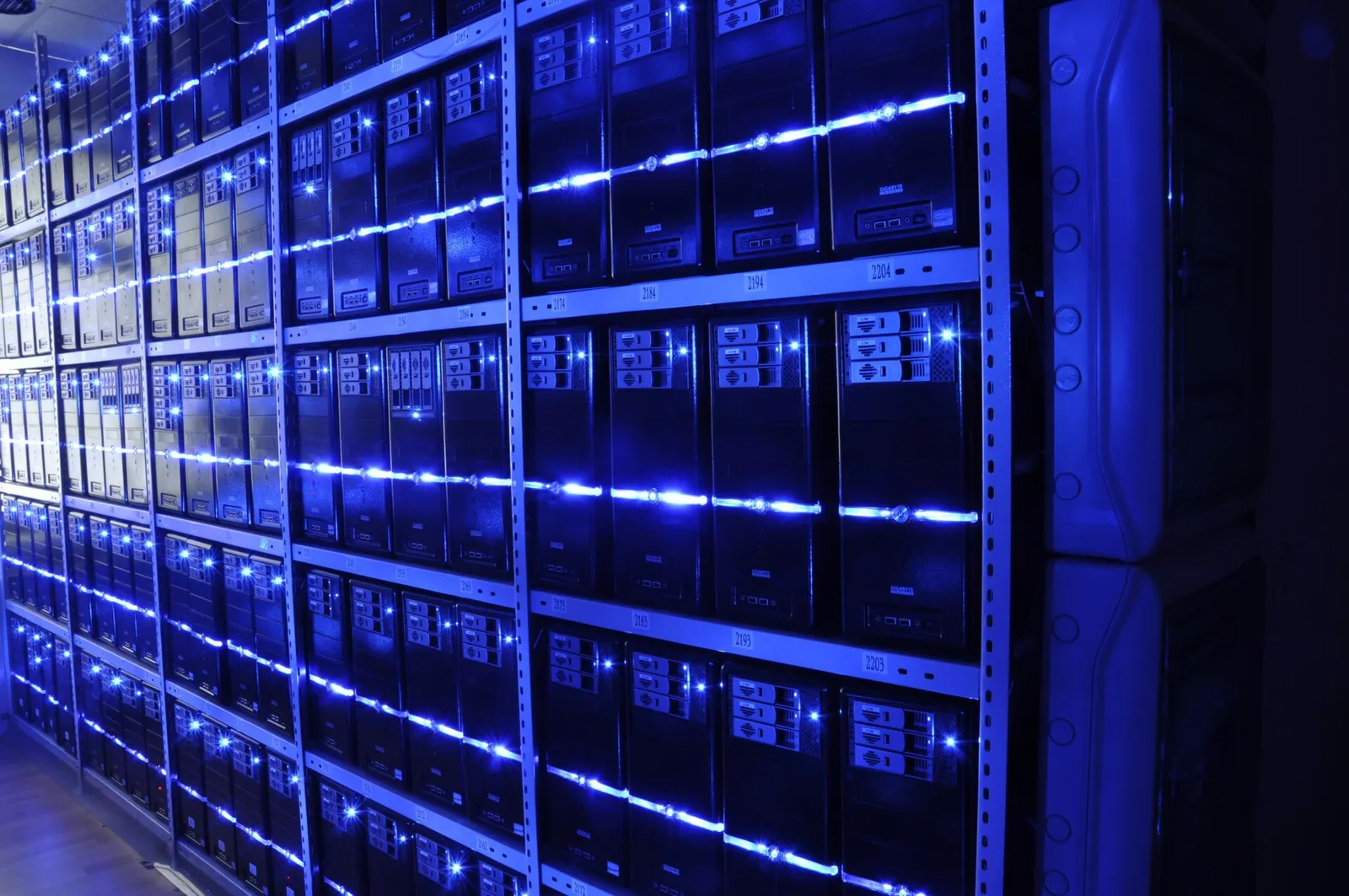
The culprit is the soaring cost of two kinds of memory chip. DRAM is the fast working memory that lets a device juggle tasks; NAND flash is the storage that holds files when the power is off. Both have spiked as the build-out of AI data centers — which devour memory — sucks supply away from consumer electronics. DRAM prices rose as much as 98% in the first quarter of 2026 and are set to climb another 58% to 63% this quarter, according to the industry tracker TrendForce, cited by CNBC.
The scale of the boom is visible in the chipmakers' results. Micron, one of the three big memory producers, reported record fiscal third-quarter results on June 24: revenue of about $41.5 billion, up from $9.3 billion a year earlier, with gross margins near 85% and guidance for roughly $50 billion in the current quarter. Demand for high-bandwidth memory used in AI accelerators is so intense that producers are steering capacity toward AI customers, tightening what is left for laptops and phones.
Why it matters
Apple has long absorbed component-cost swings rather than pass them to shoppers, leaning on its scale and supplier leverage. Openly raising prices — and warning of more — signals that the memory squeeze has outrun what even Apple can quietly offset. The MacBook Neo increase is notable: launched at $599 to lure Windows switchers, a $100 rise dents the low price that was its main selling point.
For consumers, it means higher costs at a time budgets are already stretched. For investors, it raises the question of whether Apple can hold unit sales as prices climb, or whether higher tags dent demand. And for the wider economy, a pricing signal from the world's most valuable consumer-tech company tends to foreshadow similar moves from rivals with less room to absorb the hit — a sign the AI-driven memory super-cycle is now reaching ordinary shoppers, not just data centers.