Tencent, the Chinese technology giant behind the WeChat super-app, is testing a new application called TenPayGo aimed at making it far easier for foreign visitors to pay their way around China, Investing.com reported. The app is described as a one-stop platform that combines mobile payments with travel features, letting overseas visitors pay merchants "electronically without relying on cash" across the tens of millions of stores in China that accept Weixin Pay — the domestic name for WeChat Pay.
For now, it is early. TenPayGo "is currently undergoing limited internal testing and has not yet been released to the public," according to the report.
The problem it tries to solve
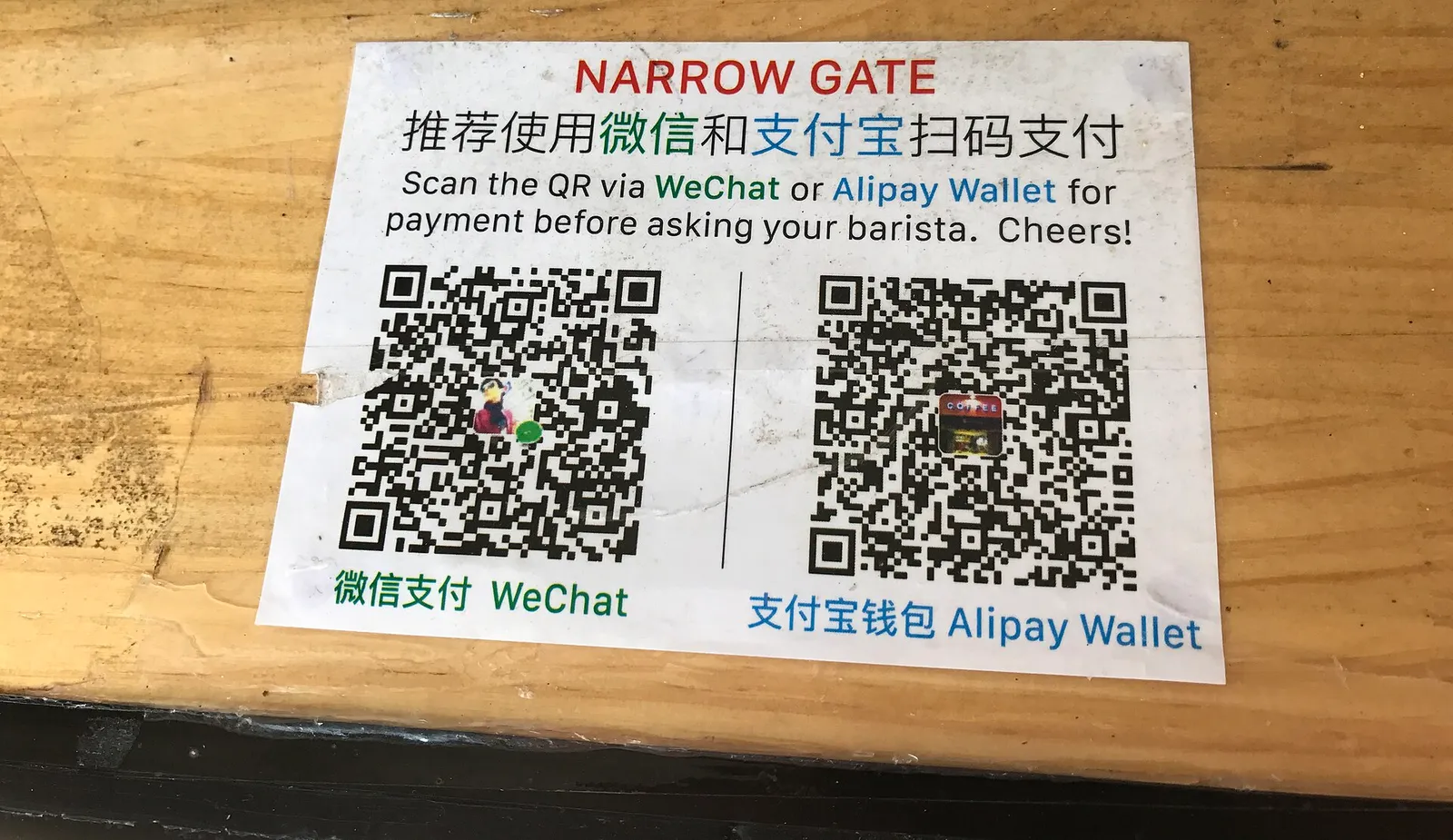
China is one of the most cashless economies on earth. Day-to-day payments — from a taxi to a bowl of noodles to a department store — run on QR codes: a buyer scans a merchant's code (or shows their own) using one of two dominant apps, WeChat Pay (Tencent) or Alipay (Ant Group). Cash and foreign credit cards are often unwelcome or simply not set up at the till.
That system is seamless for residents and baffling for visitors. The two apps were built around Chinese national ID numbers and local bank accounts, so for years a foreign tourist landing in Shanghai could struggle to buy anything without a Chinese friend to pay on their behalf. Both Tencent and Ant have chipped away at the barrier — letting visitors link foreign cards — but the process has remained fiddly. TenPayGo appears designed to fold that experience into a single, purpose-built app aimed squarely at the traveler.
Why now
The timing tracks China's reopening to the world. The country recorded nearly 7 billion cross-border trips in 2025, including more than 82 million entries and exits by foreign nationals — up 26.4% on the year — as visa-free policies widened and tourism rebounded. Beijing has been actively courting foreign visitors and the spending that comes with them, and a smoother payment experience is a concrete way to capture more of it.
The business angle
For Tencent, easing foreigners onto Weixin Pay is both a service and a land-grab. Every traveler who pays through its rails generates fees and data, and locks in habits that persist on return trips. It also keeps pace with arch-rival Alipay, which has built its own tourist-focused payment options. China's payments market is effectively a duopoly between the two, so the contest to onboard the next wave of foreign visitors is really a contest over which app becomes the default for hundreds of millions of trips a year.
The broader significance is what it says about China's digital economy: a system so advanced and so self-contained that re-opening it to outsiders requires building a special on-ramp. TenPayGo is still a test, and its full feature set and launch date are unconfirmed. But the direction is clear — China wants foreign money to flow as frictionlessly as local money already does.