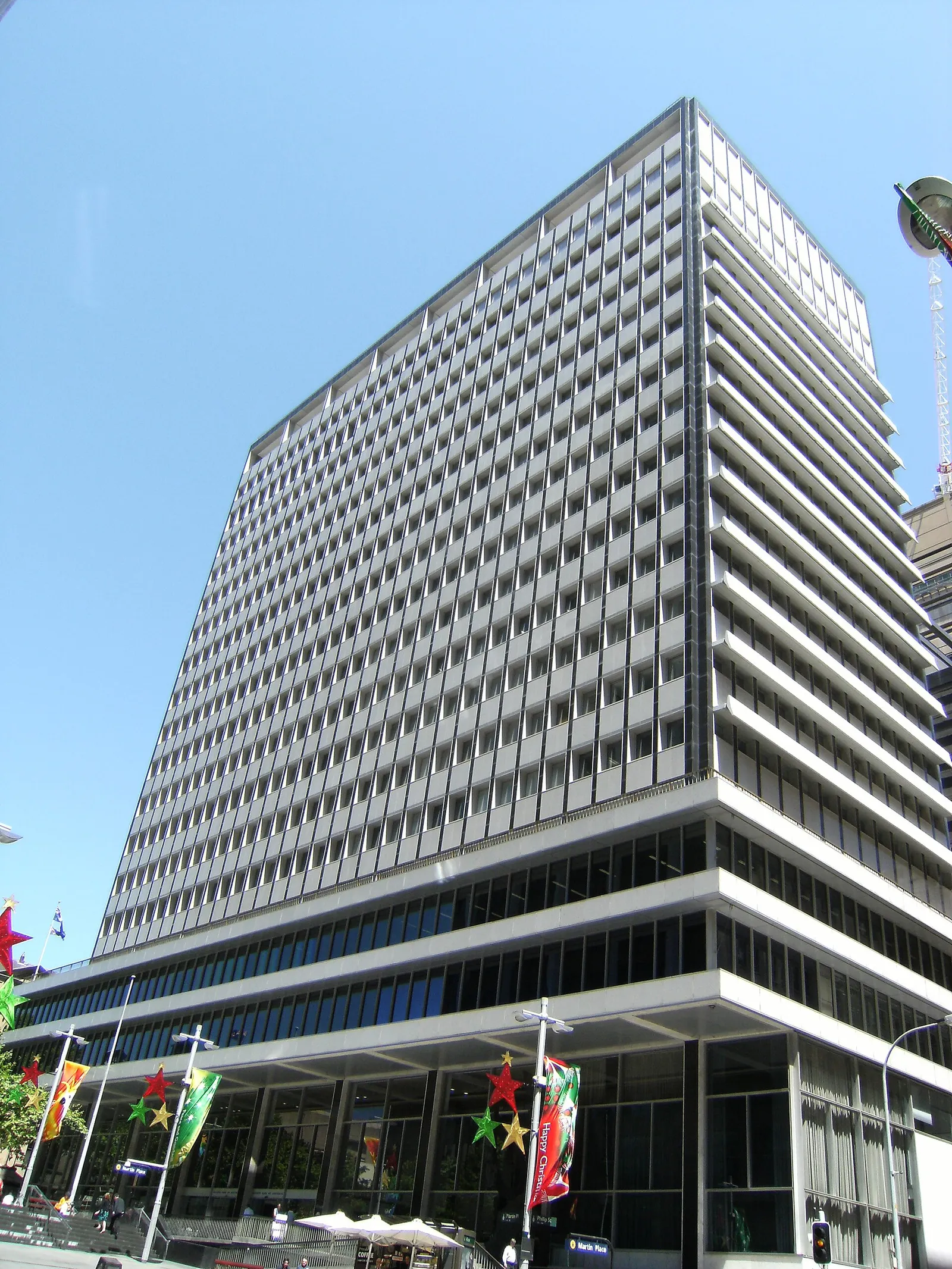
While much of the world's central banks are easing, Australia's is leaning the other way. The Reserve Bank of Australia (RBA) kept its cash rate (its main policy rate) at 4.35% at its June meeting, but the minutes, just released, show a board still ready to hike if inflation doesn't cool, the RBA said and Investing.com reported. The board said it would "do what it considers necessary," including raising the cash rate if required.
What the minutes signal
This was a hold, not a pivot. The board's message: keep the door open to more tightening, because inflation is proving sticky. The minutes flagged concerns that price growth could take longer than hoped to return to target, that businesses report broad cost pressures they're passing on, and that inflation expectations had picked up — a worry because expectations can become self-fulfilling, feeding a wage-price loop.
By the RBA's telling, Australia's annual inflation is running around 4%, above its 2–3% target band, with the core ("trimmed mean") measure also elevated, per official statistics. Housing and services costs are notable drivers. (Figures are as reported by the RBA and the statistics bureau.)
An outlier among central banks
What makes this notable is the contrast. The US Federal Reserve has been holding, and other major central banks have started cutting rates. The RBA sounding ready to hike stands out — a reminder that inflation has been stickier in some economies than others, and that the post-inflation "everyone eases" narrative isn't universal.
That divergence matters for the Australian dollar (AUD): when a country's rates are relatively high (or rising), its currency tends to draw demand, so a hawkish RBA offers the AUD some support — though only if peers don't cut faster.
Why it matters for households
The sharper bite is at home. Unlike the US — where most mortgages are fixed for 30 years — Australia relies heavily on variable-rate mortgages, so when the RBA moves, borrowers feel it within weeks, not years. After the rate increases already in place, repayments have climbed; the prospect of more hikes means further pressure on household budgets, even as the economy slows. It's the classic central-bank bind: tighten enough to tame inflation without tipping the economy into a downturn.
What to watch
Markets are pricing only a modest chance of another hike by year-end, but the minutes suggest those odds could jump quickly if upcoming inflation or wage data surprise to the upside. The next decision is the key checkpoint. Boursel doesn't forecast rates or the currency; the signal worth flagging is that Australia is fighting an inflation fight much of the world thinks it has already won — and is willing to keep rates high, and households squeezed, to finish it.