The AI boom needs somewhere to plug in — and the US power grid is straining to keep up. Executives at major utilities have been sounding the alarm that demand for electricity is outrunning supply, raising the risk of regional blackouts on the hottest and coldest days. Exelon chief executive Calvin Butler put it bluntly: "The warning lights are on," he said, warning the grid could "break down in different regions" without urgent action, Fortune reported. The warning has only sharpened as data-center growth accelerates.
The demand shock
The driver is no mystery: AI data centers. America's grid watchdog, the North American Electric Reliability Corporation (NERC), has sharply raised its demand forecasts, with data-center loads accounting for a large share of projected growth — roughly a quarter of the rise in peak demand, per Utility Dive. NERC's latest reliability assessment lifted its ten-year peak-demand outlook dramatically from a year earlier, and flagged that more than half of North America's regional grids face elevated or high risk of falling short.
These facilities are unusually demanding: a single large AI data center can draw as much power as a small city, and its load can swing up and down fast — a pattern the grid wasn't built for. (Explainer: peak demand is the maximum electricity drawn at once; the reserve margin is the cushion of spare capacity above it that keeps the lights on.)
Supply can't keep pace
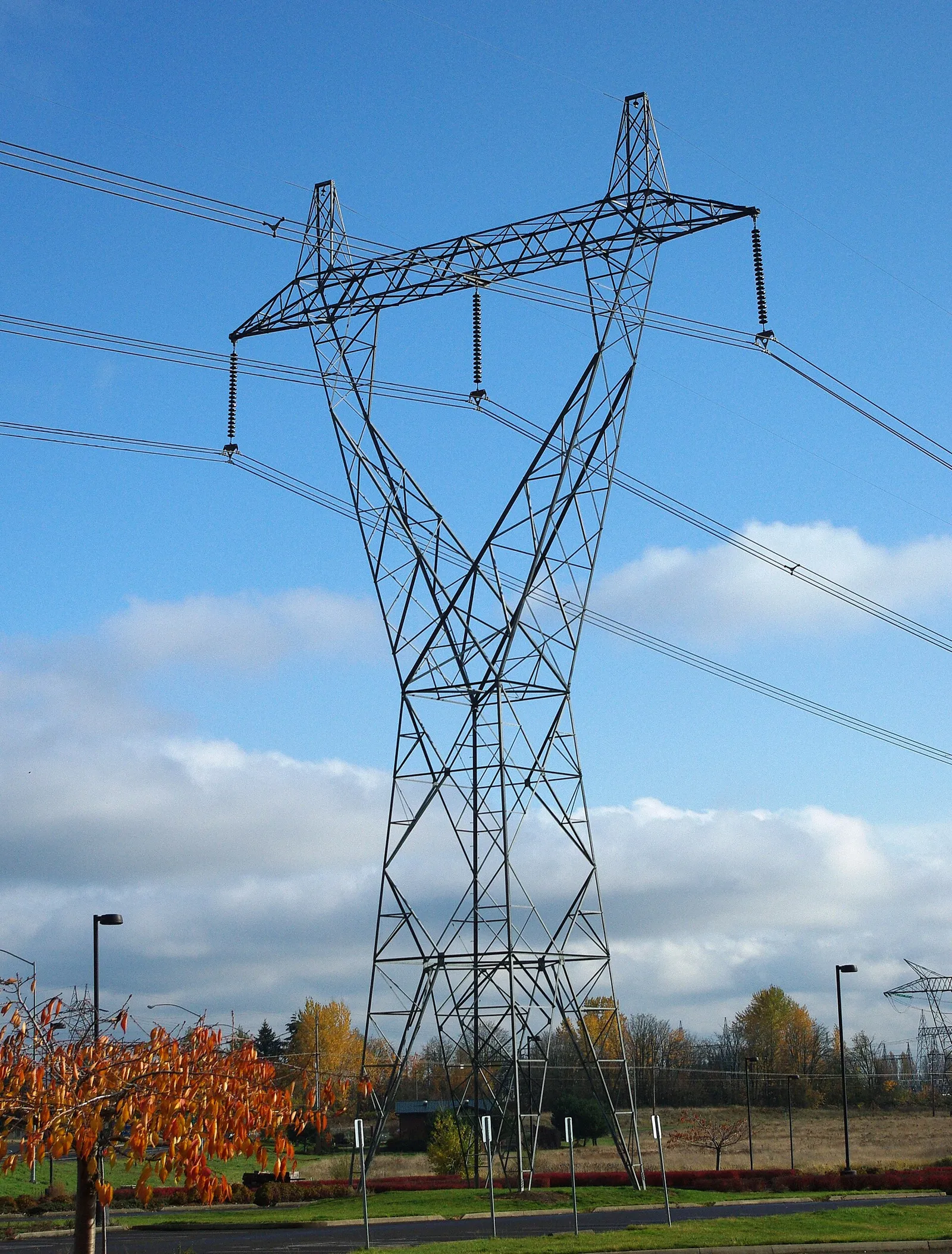
The other half of the problem is supply lagging. Older coal and gas plants are retiring, while new generation and — crucially — new transmission lines are slow to build. Vast amounts of solar and wind capacity sit stuck in "interconnection queues," waiting years for permission to plug in, and there are reported multi-year backlogs even for basic equipment like grid transformers. The result is thinning reserve margins in big regional grids such as PJM (the mid-Atlantic and Midwest) and ERCOT (Texas), exactly where data-center demand is concentrated. PJM, which serves tens of millions of people, has flagged a looming capacity shortfall within a couple of years.
Who wins, who pays
For utilities and power producers, surging demand is, paradoxically, good business — more load, pricing power, and a wave of investment in generation and grids. For Big Tech, it's a hard constraint: as Boursel has reported, AI firms are increasingly "power-constrained," chasing electricity (and even nuclear restarts) to feed their data centers. For households, the squeeze tends to show up in higher bills, and utility chiefs have warned rates are heading up.
Why it matters
This is the physical companion to the financial warning Boursel led with today: the BIS cautioned that the ~$1 trillion AI data-center build-out is a financial-stability risk; the grid story is the engineering version of the same boom. The AI era's binding constraint keeps coming back to the real world — chips, yes, but increasingly power, land and transmission.
The takeaway isn't that the lights are about to go out everywhere; it's that the margin for error is shrinking, fast, in specific regions, and that closing the gap will require an enormous, multi-year build-out of generation and grid — nuclear, gas, renewables and batteries alike. As Butler framed the urgency, the industry now needs "every electron" it can get. For investors, the read is that power has become one of the most important inputs to the AI trade — and one of its tightest bottlenecks.