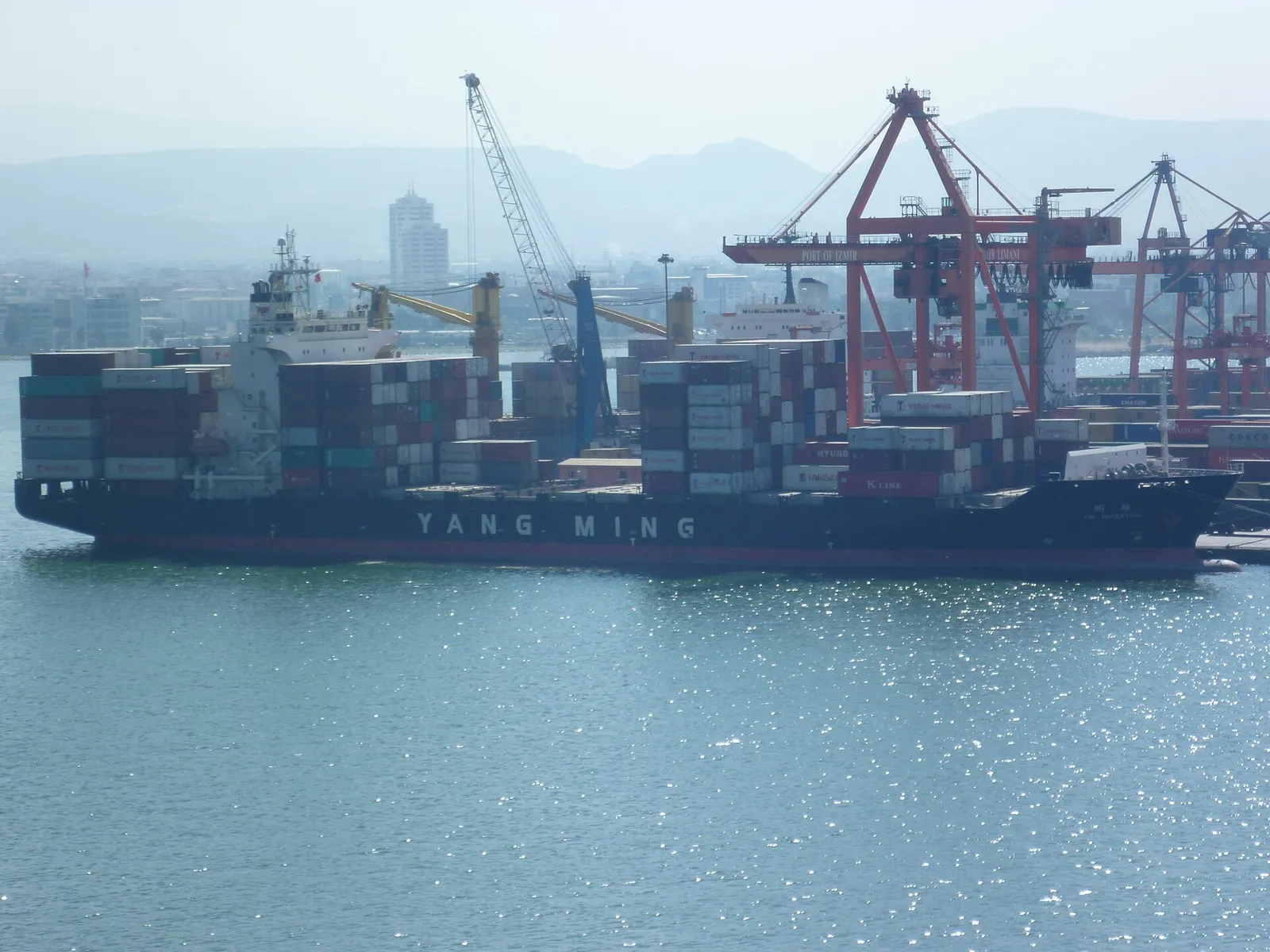
American retailers are doing their Christmas shopping early — and in bulk. Facing the threat of higher tariffs later this summer, US importers are frontloading (pulling forward) their holiday orders from China, and shipping firms say the rush is showing up in surging volumes and rising freight rates, Investing.com reported.
The surge
US imports from China jumped sharply — by around 35% in May, per the reporting — as companies raced to get goods moving. The National Retail Federation's port tracker has pointed to elevated import volumes at US ports, and carriers say space on the transpacific route (Asia to the US) has tightened. The result is the classic front-running pattern: a wave of orders crammed into a narrow window.
Why the rush
The driver is the tariff calendar. A temporary tariff measure is set to expire in late July, and US trade officials have floated further levies on Chinese goods. On top of that, Chinese imports already carry a stack of existing tariffs; importers worry the combined rate could climb meaningfully higher. (Exact rates and effective dates are moving targets in a fast-changing trade-policy environment.) Faced with that uncertainty, retailers are making a simple bet: get the goods in now, before any new rate takes effect, rather than gamble on what tariffs will look like in the autumn.
Freight rates feel it
The rush has pushed up the cost of shipping. Container freight rates on China-to-US routes have risen sharply year-over-year — the widely watched Drewry index has been up by double digits, FreightWaves reported — as importers compete for limited space. (Spot rates vary by route and index and bounce around week to week, so treat specific quotes as snapshots.) For shipping lines, it's a welcome burst of pricing power.
The catch: a boom, then a bust
Front-loading borrows demand from the future. The NRF and analysts expect import volumes to fall later in the year — potentially by double digits year-over-year in the autumn months — as the pulled-forward orders work through and warehouses fill. That makes for a peaky, volatile pattern: strong freight demand now, a likely trough later. Good for carriers and ports in the short run; a hangover afterward.
Why it matters
For retailers, frontloading buys certainty — inventory locked in at today's tariff and (high) freight costs — but adds risk: overstock if holiday demand disappoints, and margin pressure from paying up for both tariffs and shipping. For shipping and logistics firms, it's a near-term windfall followed by a slowdown. And for the economy, the episode is a vivid example of how trade-policy uncertainty itself distorts behavior: companies aren't responding to demand so much as to a deadline, pulling activity forward and leaving a hole behind. Boursel offers no view on any stock; the signal is that the tariff cliff is reshaping the timing of the entire US holiday supply chain — and the bill, in freight and inventory costs, is being paid now.