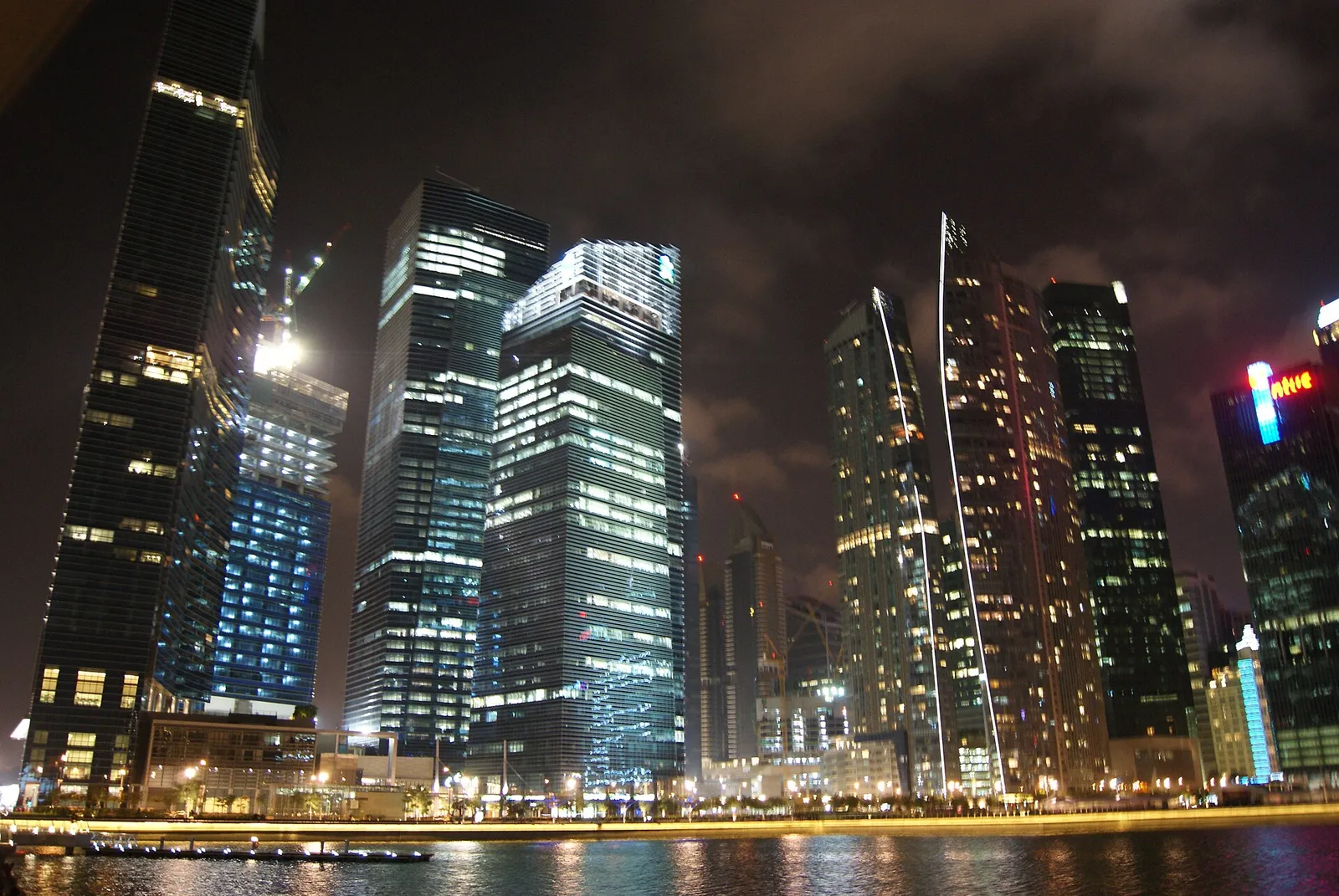
Asia's crypto crackdown is picking up — not with bans, but with fences. The Monetary Authority of Singapore (MAS) — the city-state's central bank and financial regulator — has added Hyperliquid, one of the largest decentralized derivatives exchanges, to its Investor Alert List, Cointelegraph reported. Separately, Indonesia moved to license the "finfluencers" who promote crypto on social media. Together they show how Asia's hubs are tightening oversight.
Singapore's warning
The Investor Alert List isn't a ban; it's a caution. By naming Hyperliquid, MAS is telling Singaporeans the platform is not licensed or regulated there — so anyone using it has no local protections if something goes wrong: no guaranteed segregation of customer funds, no dispute resolution, no regulatory recourse, as CryptoBriefing noted. It joins other big offshore platforms on the same list. MAS's concern, in essence: users might wrongly assume a popular venue is overseen by the regulator when it isn't.
A quick explainer: Hyperliquid is a decentralized exchange (DEX) specializing in perpetual futures — leveraged derivatives with no expiry date — that runs on its own blockchain, with trades recorded on-chain and users keeping custody of their own funds rather than handing them to a company. That self-custody, "permissionless" design is exactly what puts it outside traditional licensing — and why regulators reach for alerts rather than enforcement.
Indonesia's finfluencer rules
Indonesia is targeting the hype machine. Its financial regulator has introduced rules requiring "finfluencers" — social-media personalities who promote investments and crypto — to be certified/licensed, to disclose any payment or stake when they tout an asset, and to recommend only assets and providers authorized by the regulator. Violators can face fines (reported in the hundreds of thousands of dollars) and even have their accounts blocked. (Specific figures are per local reporting; treat them as such.) The aim is to curb the paid promotion and misleading tips that have lured retail investors into risky or fraudulent schemes.
Asia's balancing act
Both moves fit a regional pattern. Asia's crypto centers — Singapore and Hong Kong especially — want to attract innovation and institutional capital while shielding retail investors from unregulated venues and online hype. Singapore tightened its rules after the 2022 FTX collapse; Hong Kong has been licensing exchanges to position itself as a hub. The tools differ — alert lists, licensing, disclosure — but the goal is the same.
And it's not just Asia. As Boursel has reported, the UK's new FCA framework and the EU's MiCA regime are pushing crypto firms toward authorization, capital rules and marketing restrictions. The throughline worldwide: crypto is being absorbed into mainstream financial regulation, market by market.
Why it matters
For crypto platforms, an alert listing carries no legal force but real reputational and future-enforcement risk, and signals that "we're decentralized, so rules don't apply" is wearing thin with regulators. For retail investors, the message from MAS is blunt: trade on unlicensed offshore venues and you're on your own. And for the global market, these Asian moves add to a steadily converging baseline of crypto oversight — uneven across borders, but unmistakably tightening. The era of crypto as a regulatory blind spot is closing, one investor alert and one influencer license at a time.