This is analysis, not investment advice.
For a company that built one of the world's largest valuations on selling electric cars, it's a striking shift: Tesla's auto business is fading into the background of how investors talk about the stock. In a note tied to its quarterly delivery preview, Barclays said "investor attention has shifted toward Tesla's longer-term artificial intelligence initiatives," leaving "the company's core automotive business in the background." The bank keeps an Equal Weight rating — roughly "hold" — with a $360 price target.
What investors are asking about instead
The focus, per Barclays, is on three things that barely register on Tesla's income statement today:
- Robotaxi — a driverless ride-hailing service.
- Optimus — Tesla's planned humanoid robot, a two-legged machine meant to do physical work.
- Full Self-Driving (FSD) — Tesla's driver-assistance software, which the company says is approaching true autonomy but which critics note still needs human oversight.
Quarterly deliveries and margins, once the whole story, are now "an afterthought" in those conversations, the bank said.
Why the car business still matters
Barclays' caution is important: the auto business isn't irrelevant, it's the funding source. The note argued that "stronger vehicle deliveries remain important, as the company's auto operations are expected to generate cash needed to fund its expanding AI and robotics ambitions." In other words, the robots and robotaxis are paid for by selling cars.
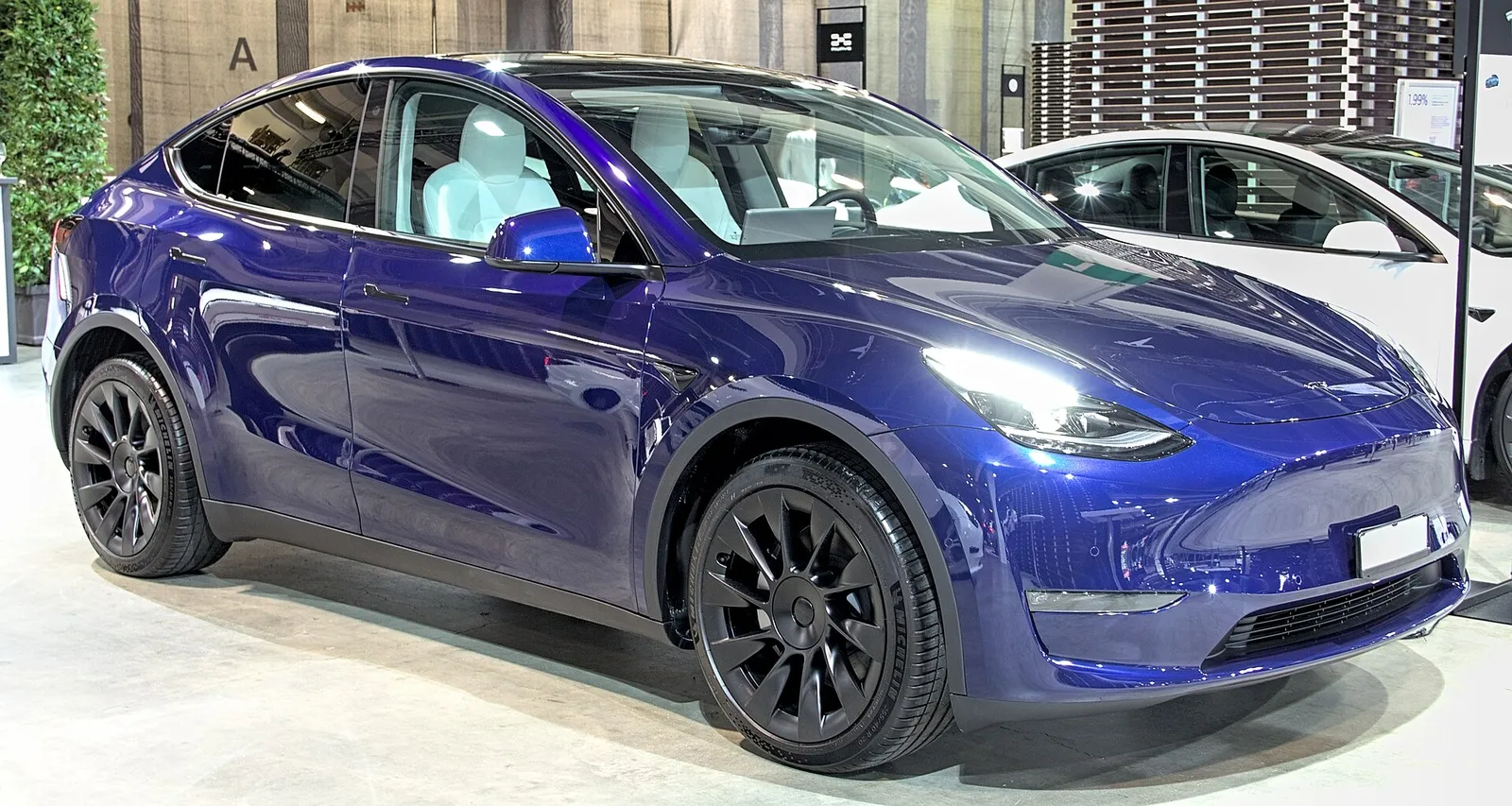
And the car business is not collapsing. Tesla delivered about 358,000 vehicles in the first quarter, a touch below Wall Street's expectations, but its gross margin recovered to 21.1% from 16.3% a year earlier, according to earnings coverage — a sign the core operation is still healthy. Barclays even expects a strong second quarter, forecasting roughly 418,000 deliveries, above the consensus near 396,000, helped by Europe and China.
What the AI businesses actually are — and aren't
The catch is how early those AI bets are. Tesla has launched driverless rides in Austin and expanded across the metro area, but reports describe a fleet of only a few dozen vehicles — a pilot, not a business. The purpose-built Cybercab, a two-seater with no steering wheel, has entered production, though a clear commercial-availability timeline isn't set.
Optimus is further out. Tesla has floated ambitious production targets and a $20,000–$30,000 price, but its 2025 goals slipped badly — it aimed for thousands of units and delivered a small fraction, by various accounts — and some analysts don't expect meaningful scale until 2028 or later.
The 'story stock' tension
This is the textbook story stock dynamic: a company whose share price rests less on what it earns now than on a narrative about what it might become. Tesla's valuation increasingly prices in autonomous ride-hailing, humanoid robotics and AI — businesses that don't yet contribute much revenue.
Bulls see Tesla building a vertically integrated AI-and-robotics platform, with a fleet generating real-world driving data that rivals can't easily match. Bears see, operationally, a carmaker facing stiffer competition in China and Europe with an aging lineup — priced for science fiction. Barclays sits in between, hence the "hold": too skeptical to recommend the stock on valuation alone, too respectful of the optionality to bet against it. The note makes no price call, and neither do we — the point is simpler. The market is increasingly valuing Tesla on promises, not deliveries, which means the gap between the two is the thing to watch.