For bitcoin miners, the business has stopped adding up. JPMorgan estimates that the average cost to produce one bitcoin at the largest listed mining companies has climbed to about $78,000 — while bitcoin itself is trading near $63,000, according to CoinDesk's account of the bank's research. When it costs more to make something than it sells for, the math turns against the producer, and that is now the position much of the mining industry is in.
How mining makes money
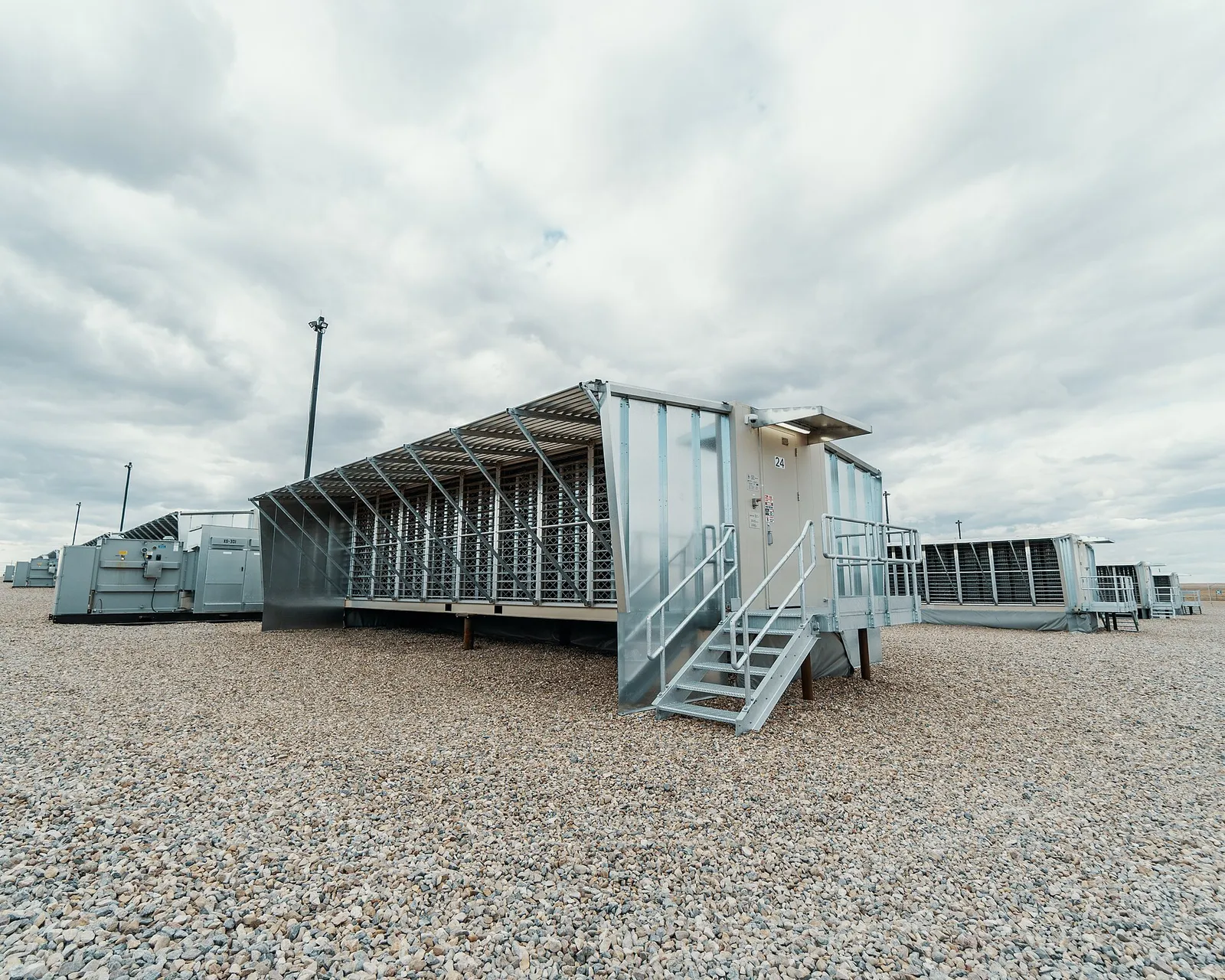
Bitcoin miners run warehouses full of specialized computers that compete to validate transactions and add a new "block" to the blockchain roughly every ten minutes. The winner collects a fixed reward of newly issued bitcoin, plus the fees attached to the transactions in that block. That reward is the industry's main revenue.
The amount of computing power a miner contributes is its hashrate; the total across the whole network is the network hashrate. Bitcoin's software automatically adjusts the difficulty of the task every two weeks to keep blocks coming about every ten minutes. When more machines join and hashrate rises, difficulty rises too — so each individual miner has to spend more electricity for the same reward.
Why costs have overtaken revenue
Two forces have collided. The first is the April 2024 "halving," a scheduled event written into bitcoin's code that cut the block reward in half, from 6.25 to 3.125 bitcoin. Halvings happen about every four years and permanently reduce miners' output of new coins; they only pay off if bitcoin's price rises enough to offset the cut. This time it has not. Bitcoin has slid through much of 2026, leaving revenue compressed against the lower reward.
The second is that difficulty has not fallen as fast as the price. Ordinarily a sustained price drop forces inefficient miners to switch off, hashrate declines, difficulty eases, and margins recover. JPMorgan found that link has weakened: the sensitivity of mining difficulty to bitcoin's price has run at about 0.62 over the past six months, meaning difficulty has stayed stubbornly high even as prices fell, Bitcoin.com reported. The result, by the bank's estimate, is that around 20% of miners are now unprofitable at current prices.
Selling the stockpile to survive
The strain shows up in how miners are managing cash. Publicly listed operators — including MARA, CleanSpark, Riot Platforms, Cango, Core Scientific and Bitdeer — sold a combined 32,000 bitcoin in the first quarter of 2026 to fund operations, more than those companies' total sales for all of 2025, according to The Block. Miners have historically preferred to hold the bitcoin they produce, treating it as a reserve; selling it in volume is a sign of pressure.
An escape route into AI
Some larger miners have a way out that did not exist in earlier downturns: renting their power and data-center space to artificial-intelligence companies. AI hosting pays predictable, dollar-denominated rents under multi-year contracts, insulating operators from bitcoin's swings and from the next halving. Several of the biggest miners have moved toward this high-performance computing business, though it requires different power, cooling and networking than mining and is not an option for every operator.
For those that cannot pivot, the choices are starker: run down reserves, upgrade to more efficient machines, or shut down. JPMorgan has noted that production cost has historically acted as a rough floor for bitcoin's price, on the logic that pressured miners eventually capitulate and the network rebalances. That floor has not held this cycle — and with the next halving still nearly two years away, the squeeze looks set to continue sorting the efficient miners from the rest.