A grid "warning" in a heatwave sounds alarming. The reality is more mundane — and more instructive.
What actually happened
Britain's National Energy System Operator (NESO) issued an Electricity Margin Notice (EMN) on June 24 as the heatwave pushed up demand while wind and gas output ran lower than expected, NESO explained. An EMN is not a blackout warning. It's an operational tool that tells the market the buffer between supply and expected demand is tighter than usual, prompting generators and others to declare any spare capacity. The market responded, the notice was withdrawn the same afternoon, and supplies stayed secure throughout. It was the second such notice in the current hot spell — hence the Guardian's "again."
Why heat squeezes the grid
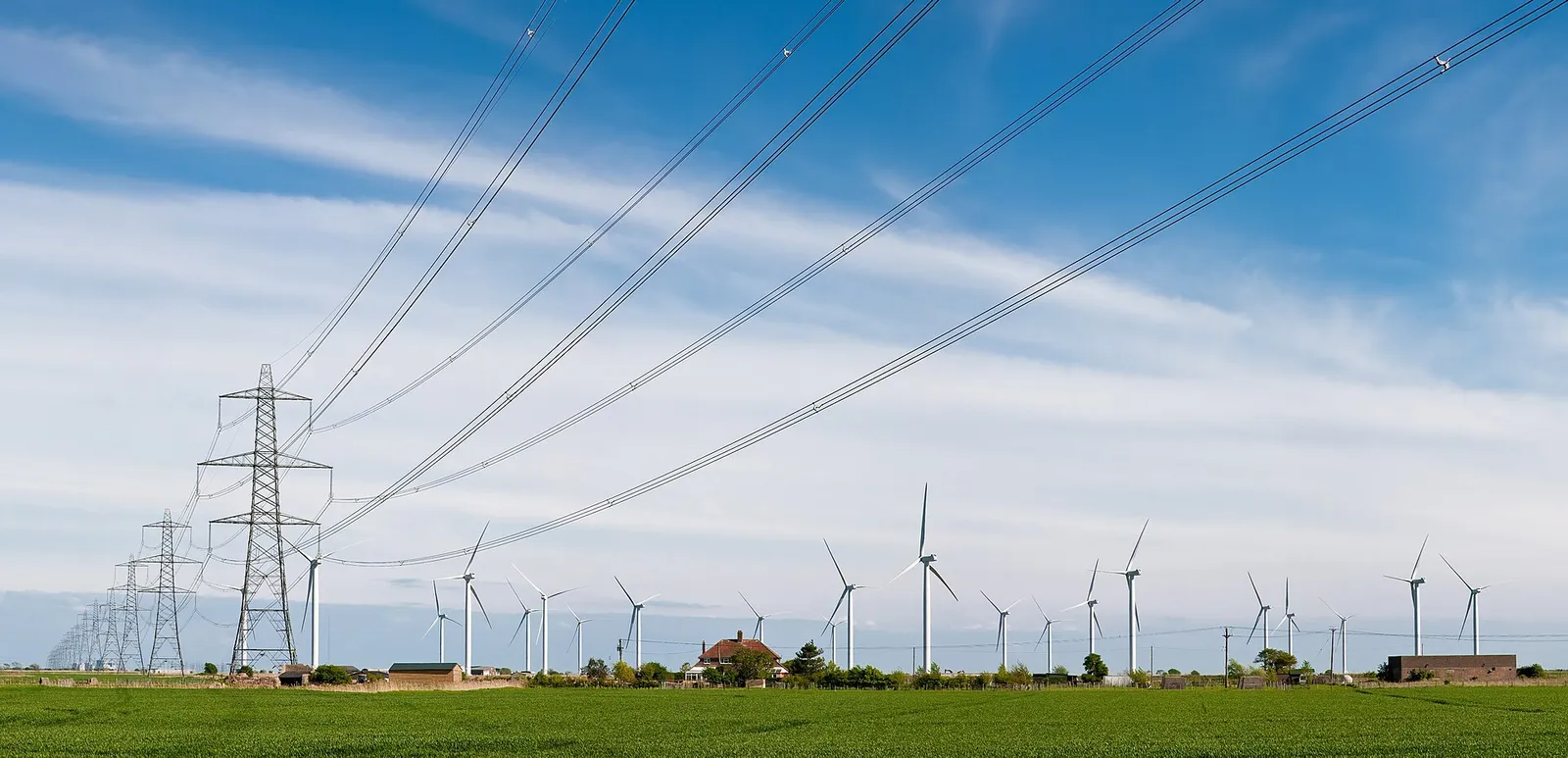
Heatwaves pull in opposite directions at once. Demand rises — more air conditioning, refrigeration and cooling — and the peak often lands in the early evening as solar output fades. Supply tightens at the same time: hot, still "anticyclonic" weather means little wind, so turbines barely turn; thermal and gas plants run less efficiently in heat; and interconnectors that import power from France or Belgium have less to spare because those countries are baking too. Solar helps by day but vanishes by evening — exactly when demand peaks.
A system in transition
The deeper story is structural. As old coal and oil plants have closed and nuclear has aged, the dispatchable capacity NESO can summon on demand has shrunk, leaving the grid leaning more on weather-dependent wind and solar, imports, and gas backup. NESO's own summer outlook expected enough power overall but flagged that it would need to lean on operational tools during stress periods — and June 24 was one. The control room used its demand-flexibility service (paying enrolled users to cut consumption), rescheduled plant maintenance, and coordinated with European operators. Britain's reliability record remains very high, but the frequency of these notices in a warming climate is the warning sign.
What it means
For consumers, the immediate impact is essentially nil — no disruption, and any extra balancing cost is small relative to seasonal price swings. The longer-term signal is what matters: a grid this tight, in June rather than midwinter, points to the need for more long-duration storage (the new pumped-hydro approvals we covered), faster grid build-out, and more demand flexibility — especially as AI data centers add a new class of large, hard-to-interrupt power users. The notice worked exactly as designed; the question it raises is whether that buffer holds as demand grows and the weather gets hotter. This is reporting and analysis of the grid's mechanics, not a prediction of shortages.