China's electric-car makers gave investors something to cheer on Wednesday — even if the celebration was tempered by the hard math of a brutal price war.
Hong Kong-listed shares of BYD rose about 9% and Xiaomi about 5% on July 2 after the two companies reported strong June delivery figures, CNBC reported. Investors read the numbers as a sign of resilience in a bruised market.
The numbers
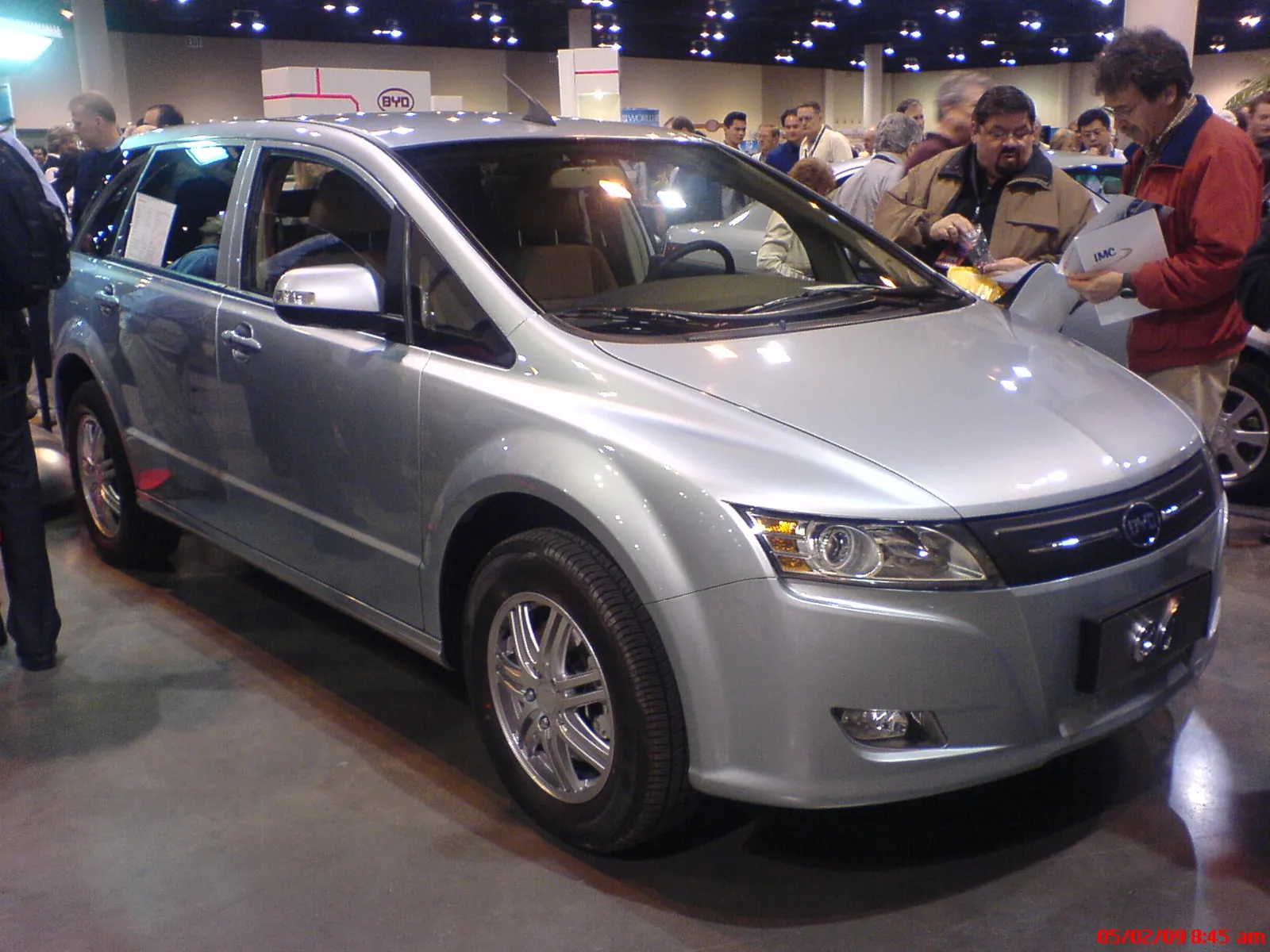
BYD said it sold about 403,000 new-energy vehicles in June, up modestly from a year earlier, with a record of roughly 175,000 of those going to customers outside China — nearly double its overseas total a year ago, per the company's monthly disclosure. Xiaomi, the smartphone maker that has moved into cars, again delivered more than 30,000 vehicles in June, and roughly 180,000 in the first half — about a third of its full-year target. (New-energy vehicles, or NEVs, is China's official term for battery-electric and plug-in hybrid cars.)
The standout was the quarter. BYD delivered around 557,000 fully electric vehicles in the second quarter, enough to retake the global battery-electric sales crown from Tesla, which came in near 396,000. That reversed the prior quarter, when Tesla had narrowly led. BYD's surge was driven heavily by exports into Europe, Southeast Asia and Latin America.
Volume without easy profit
Here's the catch Boursel has flagged before: in China's EV market, strong deliveries don't equal strong profits. A years-long price war — competitors repeatedly cutting prices to win share — has crushed margins across the industry. BYD's domestic June sales actually fell sharply from a year earlier, after China halved a key EV purchase-tax break at the start of 2026, raising the effective price of many cars. That is a big reason BYD and its rivals are pushing so hard into exports: the home market has become a grind.
The financial strain is real. BYD's annual profit fell in 2025 even as it sold more cars, and its chairman has described the industry as entering a "brutal" shakeout. Both BYD and Xiaomi have started raising prices on some models — a defensive move to protect margins rather than a sign of pricing power. And despite Wednesday's pop, both stocks remain down sharply for the year — BYD off roughly a fifth, Xiaomi more — as investors weigh thin margins (and, for Xiaomi, rising memory-chip costs squeezing its phone business too).
Why it matters
For the global auto industry, BYD overtaking Tesla on quarterly EV sales is a milestone: a Chinese maker, bottled up at home, is winning volume abroad and reshaping competition for legacy carmakers in Europe, the U.S. and Japan. For investors, the split between booming deliveries and battered share prices is the key tension — growth and profit have decoupled in China's EV sector, and the market is pricing the margin risk, not just the volume. And for the broader EV story, it underlines that the question is no longer whether China can build and sell electric cars at scale — it plainly can — but who, if anyone, makes durable money doing it. Boursel offers no view on any carmaker's stock; the takeaway is that a strong sales month landed against a still-unresolved profitability problem.