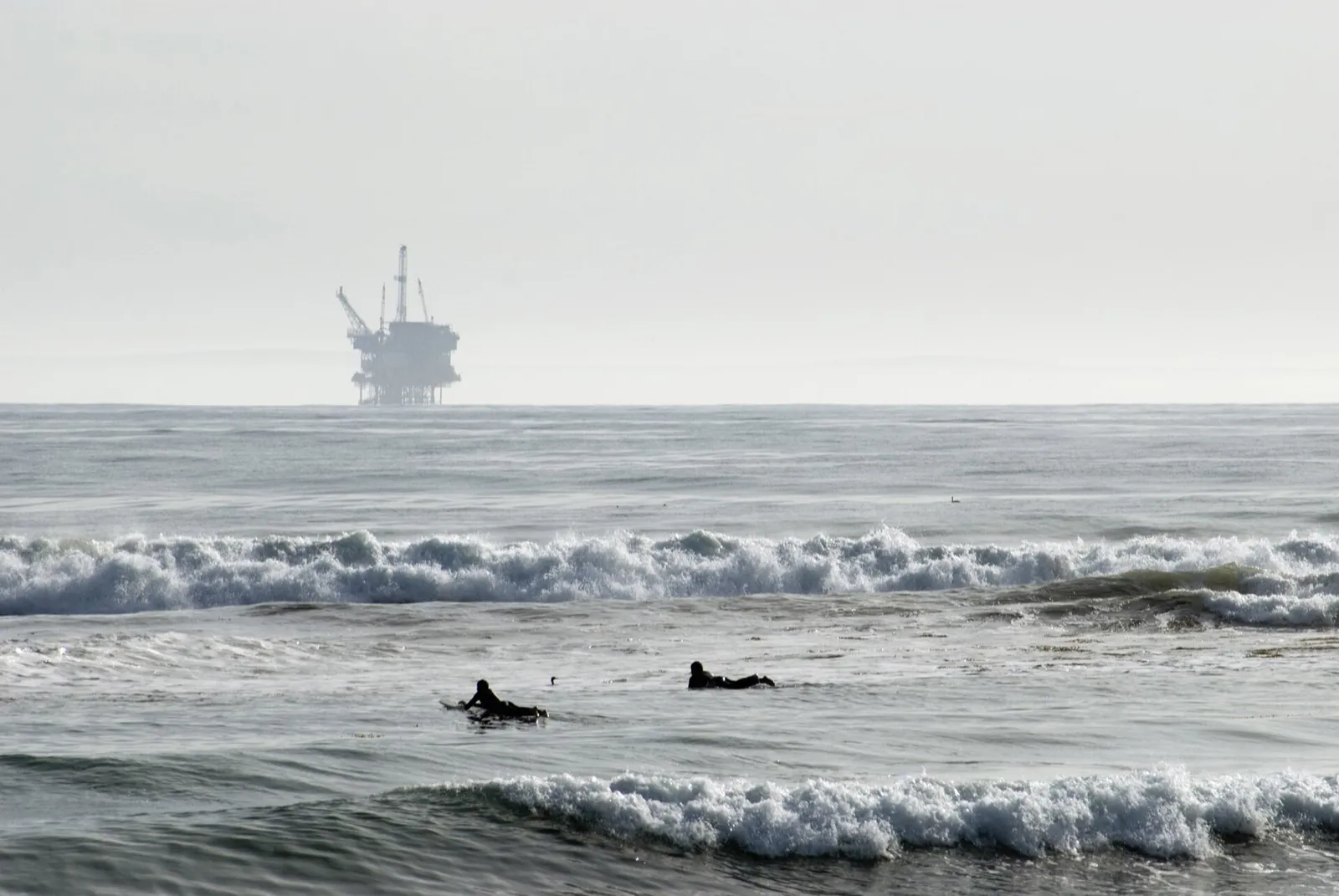
Oil prices fell again on Thursday, pushed lower by the same force that had sent them spiking earlier this year — the Middle East — but now working in reverse.
West Texas Intermediate (WTI), the U.S. benchmark, slipped below $68 a barrel, its lowest level since late February, market data show. Brent, the international benchmark, traded around $71. Both were down roughly 1% on the day, Investing.com reported. (Brent is the global price marker, tied to North Sea oil; WTI is the U.S. marker and usually trades a few dollars below Brent.)
What's driving it down
Two forces are pressing on crude.
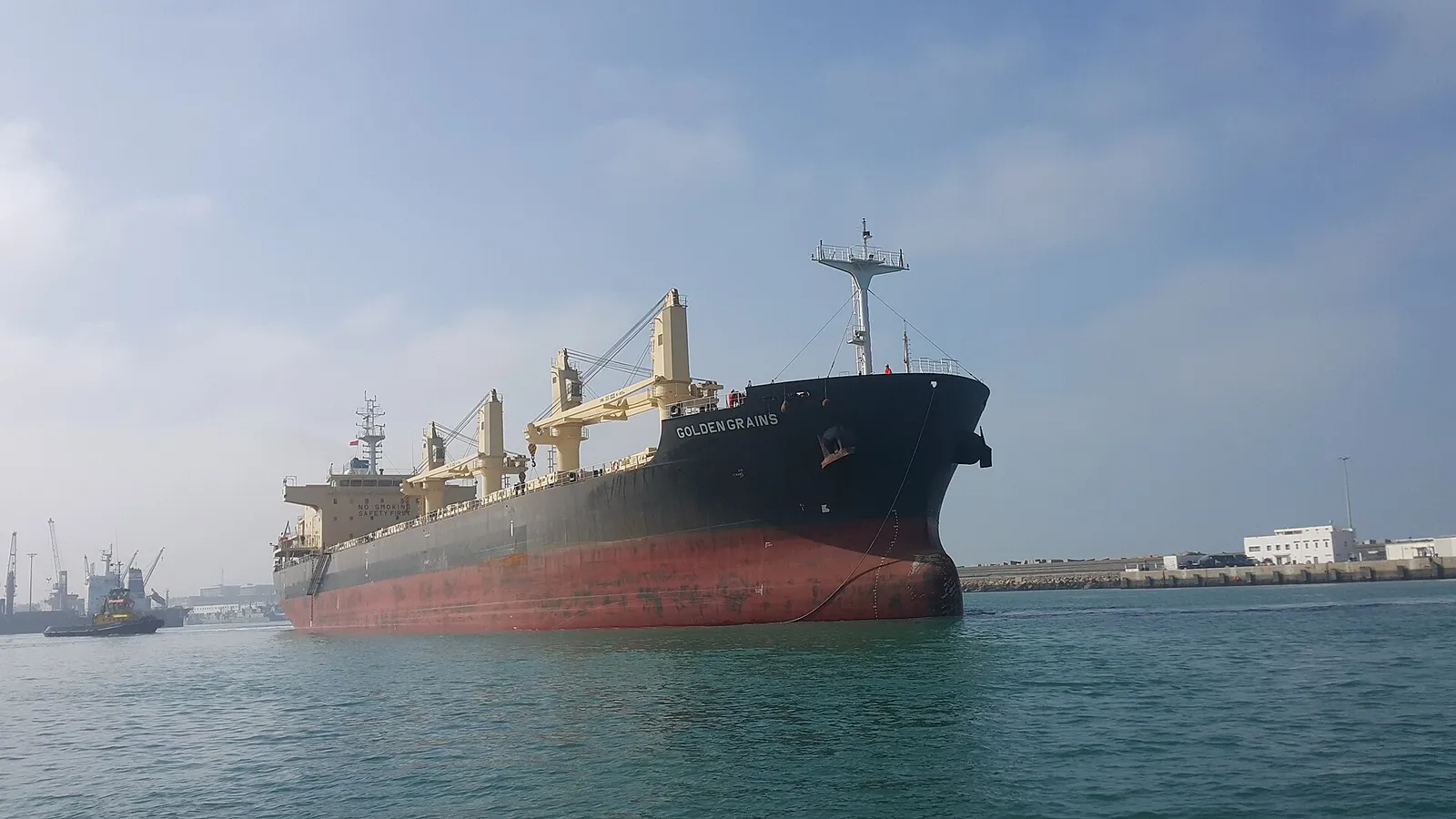
First, easing Middle East risk. Signs of progress in indirect U.S.-Iran talks have reduced fears that conflict could choke off oil shipments through the Strait of Hormuz, the narrow waterway that carries a large share of the world's seaborne crude. Tanker traffic through the strait has been running above 10 million barrels a day with U.S. naval support, per Investing.com, and the risk premium traders had built into prices during the spring's scare has largely drained away. Iranian exports have also picked up after a U.S. naval blockade was lifted.
Second, plenty of supply. The market is simply well stocked. U.S. output remains near record highs, Russian seaborne shipments have been heavy, and traders expect OPEC+ — the Organization of the Petroleum Exporting Countries plus allies such as Russia — to keep raising production. More barrels chasing steady demand pushes prices down.
The round trip
The move caps a dramatic few months. When Israel-Iran tensions flared and the Strait of Hormuz looked at risk earlier in 2026, crude spiked and pump prices jumped. As Boursel has tracked, that fear has since de-escalated, and oil has retraced much of the spike — a reminder that a large part of the oil price is a risk premium that inflates on the threat of disruption and deflates when it fades.
Analysts caution the calm is conditional: the Strait of Hormuz remains a chokepoint, and any breakdown in talks could quickly rebuild the premium. Boursel does not forecast prices; the scenarios here are attributed to market analysts, not predictions.
Why it matters
For households and businesses, cheaper crude eventually feeds through to fuel and shipping costs, easing one source of inflation — a welcome offset as central banks weigh their next moves. For investors, oil's slide reflects a market that has swung from fear of scarcity to comfort with supply in a matter of months. And for the energy producers and petrostates on the other side, lower prices squeeze revenue and will test OPEC+'s willingness to keep the taps open. The throughline is that oil, for now, is being set by de-escalation and abundance rather than crisis — the opposite of the story that drove it this spring.