Here is an unexpected way the artificial-intelligence boom is reaching into ordinary households: it is making game consoles more expensive.
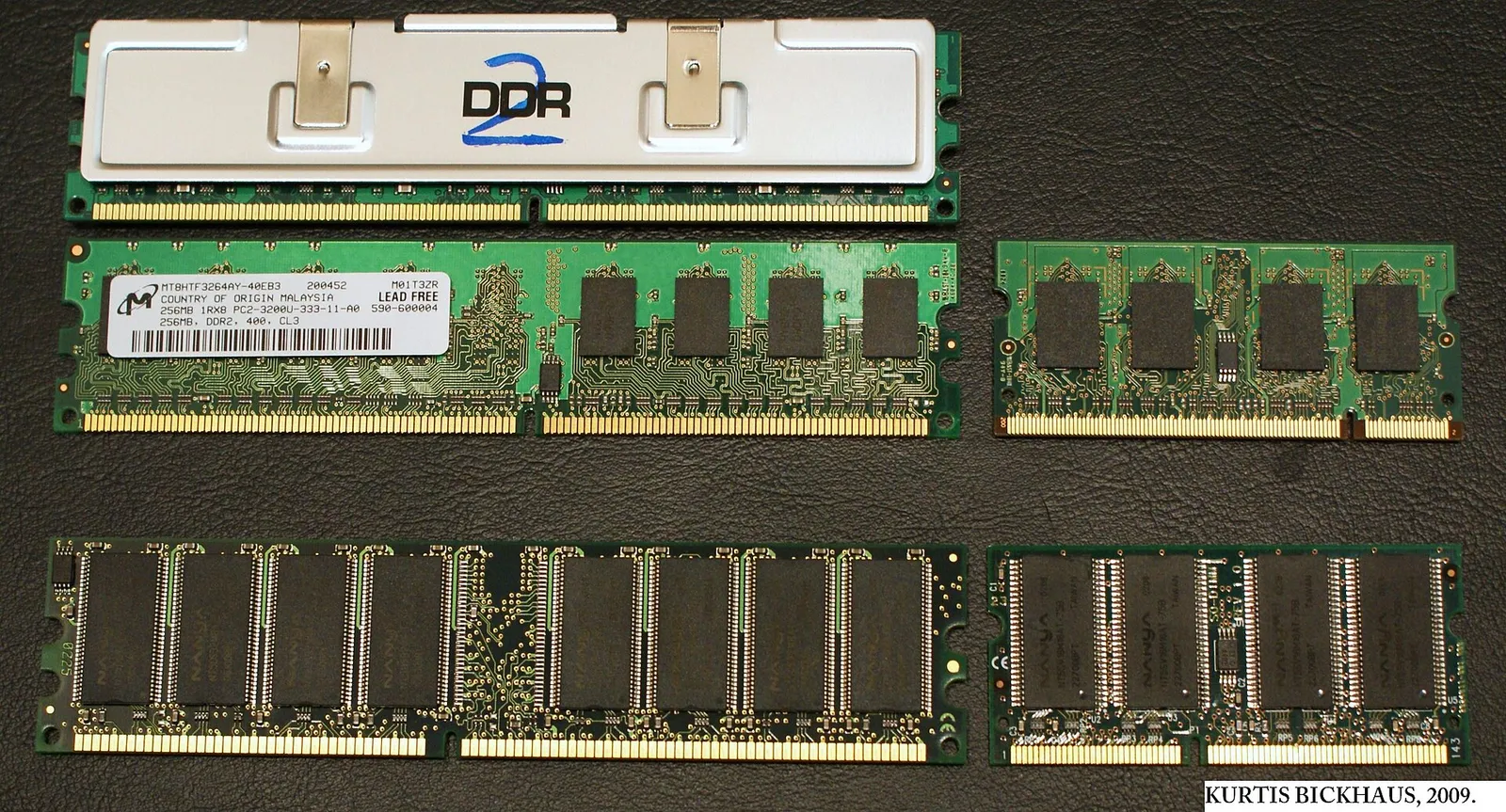
The chain runs from the world's biggest data centers to the shelf at your electronics store, and it comes down to one component — memory chips.
AI is eating the world's memory
Training and running AI systems requires enormous quantities of fast memory — the chips that hold data a computer is actively using. As tech giants race to build AI data centers, analysts estimate that these facilities and cloud providers will consume the large majority of the world's high-end memory output in 2026 — by one industry estimate, roughly 70%. That leaves a shrinking slice for everything else: PCs, phones, cars — and consoles.
The three companies that make almost all the world's memory — Samsung, SK Hynix and Micron — have shifted production toward the pricey, high-margin chips that AI accelerators need. That is lucrative for them: Micron's revenue recently quadrupled on the AI-memory boom, as Boursel has reported. But it pulls capacity away from the ordinary memory that consumer gadgets rely on. (Memory here means DRAM and NAND flash — the working memory and storage inside virtually every electronic device.)
Prices spike
With demand outstripping supply, memory prices have surged. Contract prices for DRAM roughly doubled between late 2025 and early 2026, with some rising 50% or more in a single quarter, the analysis firm TrendForce reported; NAND storage chips jumped sharply too. The squeeze has become so acute that, by one widely shared example, a high-capacity PC memory kit now costs more than a whole PlayStation 5.
The console example
That is why gaming has become the most visible symptom. Sony raised the standard PlayStation 5 to about $649.99 in the U.S. (up from $549.99), with the PS5 Pro at roughly $899.99. Microsoft followed, lifting the Xbox Series X to about $799.99 and citing a components "crisis," with memory and storage prices up sharply, per Reuters via The Star. Both companies pointed to rising memory and chip costs as a driver — an unusual move for consoles, whose prices historically fall over a generation, not rise.
Why it matters beyond gaming
Consoles are just the clearest case. The same memory squeeze is expected to push up prices — or thin the selection — of PCs, laptops and smartphones, as manufacturers either absorb higher costs or pass them to buyers. Analysts broadly expect the tightness to persist until memory makers add capacity, which takes time; several see little relief before 2027.
The bigger point is about how the AI buildout ripples through the real economy. The tens of billions of dollars flowing into AI data centers don't just show up in tech-company earnings — they show up, indirectly, in the price of a gaming console or a new laptop. Boursel makes no forecast on chip prices; the takeaway is that when demand for one critical component surges as fast as AI's has, the cost lands well beyond the data center — often on consumers who never bought an AI product at all.