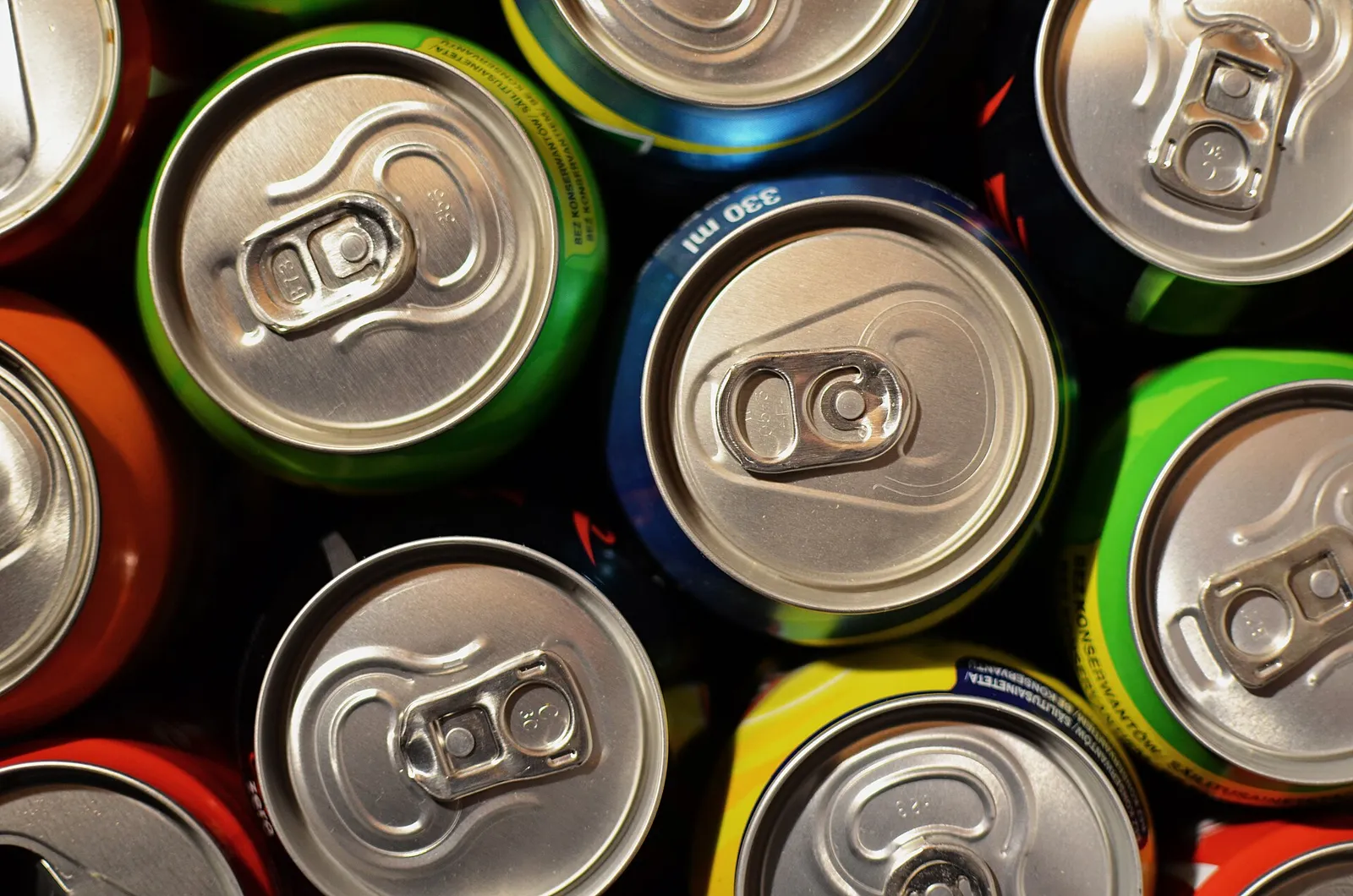
In an alcohol market that is shrinking almost everywhere, one product keeps growing: the cocktail in a can.
A rare growth story
"Ready-to-drink" (RTD) beverages — canned cocktails, spirits-and-mixers, hard seltzers and pre-mixed long drinks — are now the only beverage-alcohol category growing in both volume and value, according to drinks-data firm IWSR. IWSR puts the global RTD market across its ten leading countries at about $34 billion in 2022, heading toward $40 billion by 2027, with RTDs rising from roughly 1.1% of all alcohol servings in 2014 to about 3.5% in 2024. In the U.S., NielsenIQ data show RTDs were the only segment to grow in the first half of 2025, even as total alcohol sales fell 3%; retail tracker Circana recorded pre-mixed cocktails up about 24%.
What's driving it
Three forces converge. Convenience: most single cans are bought for same-day drinking — festivals, picnics, at home. Moderation: younger and "sober-curious" drinkers want smaller, lower-commitment servings, not a bottle. And premiumization within RTDs: the money is shifting from cheap malt-based seltzers toward pricier spirits-based cocktails — NielsenIQ found spirits-based RTDs up around 20% while hard seltzer fell. Importantly, the moderation trend is more a volume story than a margin one: no/low-alcohol RTDs largely sit in standard price tiers.
The UK tax twist
Britain's boom has a structural catalyst. The August 2023 alcohol-duty overhaul replaced the old product bands with a single system based on alcoholic strength, per HMRC. That dropped many spirits-based canned cocktails (typically 3.5–8.4% ABV) into a lower duty band than the full-strength bottled spirits they're made from — for the first time giving a canned cocktail a built-in duty advantage over the bottle. UK off-trade RTD sales have since climbed past £700 million a year, by one trade-press estimate (a single, non-primary source we flag as unconfirmed).
Who profits
The drinks giants are leaning in. Neither Diageo nor Pernod Ricard breaks out RTD as a standalone line, but both have flagged it as a bright spot: Diageo reported its spirits-based RTD sales up sharply (around 17% organic in the first half of its 2026 financial year, led by Smirnoff and Crown Royal cans), and Pernod Ricard's RTD sales grew while its overall sales fell. In the U.S., E&J Gallo's High Noon leads the spirits-based category.
The skeptical case
Two risks temper the story. First, margins: premium spirits carry gross margins near 60%, while RTD- and seltzer-heavy producers run far lower, because low revenue per can has to absorb packaging, canning and excise. AlixPartners estimates spirit-based RTDs are about 28% of U.S. off-premise spirits volume but only 11% of value — RTDs can grow the top line while diluting the rich margins of core spirits. Second, faddishness: hard seltzer's collapse — Boston Beer's Truly fell more than 20% in 2024 — shows how fast an RTD format can deflate, and UK duty is now rising again with inflation.
What it means
For an alcohol industry in structural decline, canned cocktails are a genuine, fast-growing prize — and a defensive one, soaking up drinkers trading down from bottles or moderating their intake. But the category has yet to prove it is more than a string of fast-burning trends, and its lower margins mean volume growth doesn't automatically translate into profit growth for the majors. We're reporting the trend and the numbers, not making a call on any company's stock.