
Every so often a politician suggests that the central bank should cut interest rates to help the economy, or the government, along. The reaction from economists is usually alarm, and the reason is a principle that took decades to establish: central bank independence. Understanding it explains a great deal about why inflation has, mostly, been kept in check for the past generation, and why markets get nervous when the principle looks shaky.
What independence actually means
Independence does not mean the central bank does whatever it likes. In most systems the elected government sets the goal, typically an inflation target of around 2%, and the central bank is left free to choose the tools to hit it, above all the level of interest rates. That distinction is called operational, or instrument, independence: politicians decide the destination, technocrats decide the route.
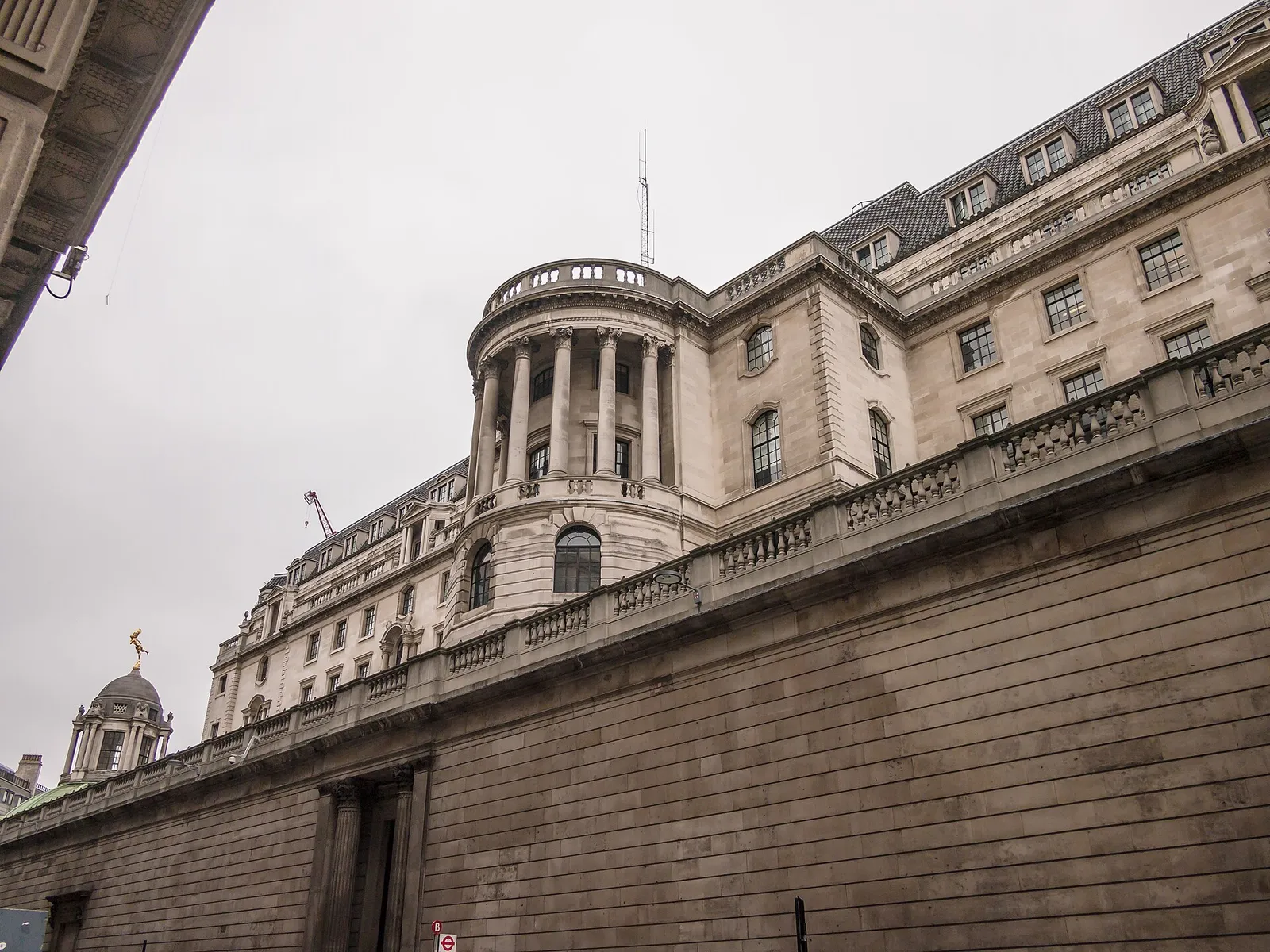
The Bank of England is a clear example. In 1997 the incoming government handed it operational control of interest rates, and the Bank of England Act 1998 gave its Monetary Policy Committee sole responsibility for setting rates to meet the government's inflation target. The US Federal Reserve, the European Central Bank and most major central banks operate on the same broad model, with independence protected to varying degrees by law or treaty.
Why it exists
The case for independence rests on a simple, hard-learned insight about incentives. Elected governments face short-term pressures, especially before elections, to keep borrowing cheap and the economy running hot. Low interest rates are popular; the inflation they can eventually unleash arrives later, and hurts. A central bank under direct political control will tend to keep money too loose for too long.
History supplies the evidence. In the United States, the 1951 Treasury-Fed Accord freed the Federal Reserve from an arrangement in which it kept rates low to help the Treasury finance government debt, even as inflation climbed. The high inflation of the 1970s then convinced policymakers across the developed world that price stability required insulating rate decisions from the electoral cycle. From the 1980s onward, country after country granted its central bank more independence, and the long disinflation that followed is widely credited, in part, to that shift. The core idea is credibility: if households and businesses trust that an independent central bank will act to keep inflation near target, they set wages and prices accordingly, which makes the target easier to hit.
Why governments keep testing it
The tension never disappears, because the thing that makes independence valuable, the willingness to raise rates or keep them high when that is unpopular, is exactly what frustrates politicians. When borrowing costs rise, homeowners and businesses feel it, and the government of the day takes the blame for an economy it no longer fully controls. So there is a recurring temptation to lean on the central bank: to demand rate cuts, to threaten its leadership, or to propose reshaping its mandate or governance.
Markets watch these episodes closely, because the stakes are concrete. If investors come to believe a central bank will bend to political demands for cheap money, they anticipate higher future inflation and demand higher yields to hold the country's bonds; the currency can weaken and borrowing costs across the economy can rise, the opposite of what the political pressure intended. That is why even rhetorical attacks on a central bank's independence can move exchange rates and bond markets.
The balance, and its limits
Independence is not above debate. Central bankers are unelected and wield enormous influence over jobs, mortgages and asset prices, which raises a genuine question of democratic accountability, usually answered by requiring the bank to explain itself to the legislature and to hit a goal the elected government sets. Critics argue independence can also make central banks slow to admit mistakes, or too narrowly focused on inflation at the expense of growth or employment. These are legitimate arguments about how independence should be structured and checked.
What the historical record cautions against is discarding the principle for short-term convenience. The value of an independent central bank lies precisely in its ability to do the unpopular thing when the economy needs it. That is why proposals to weaken it, wherever they arise, are treated by investors not as a technicality but as a signal about a country's commitment to controlling inflation. Boursel does not take a political position; the point for a financial audience is that independence is a form of credibility, and credibility, once spent, is expensive to rebuild.