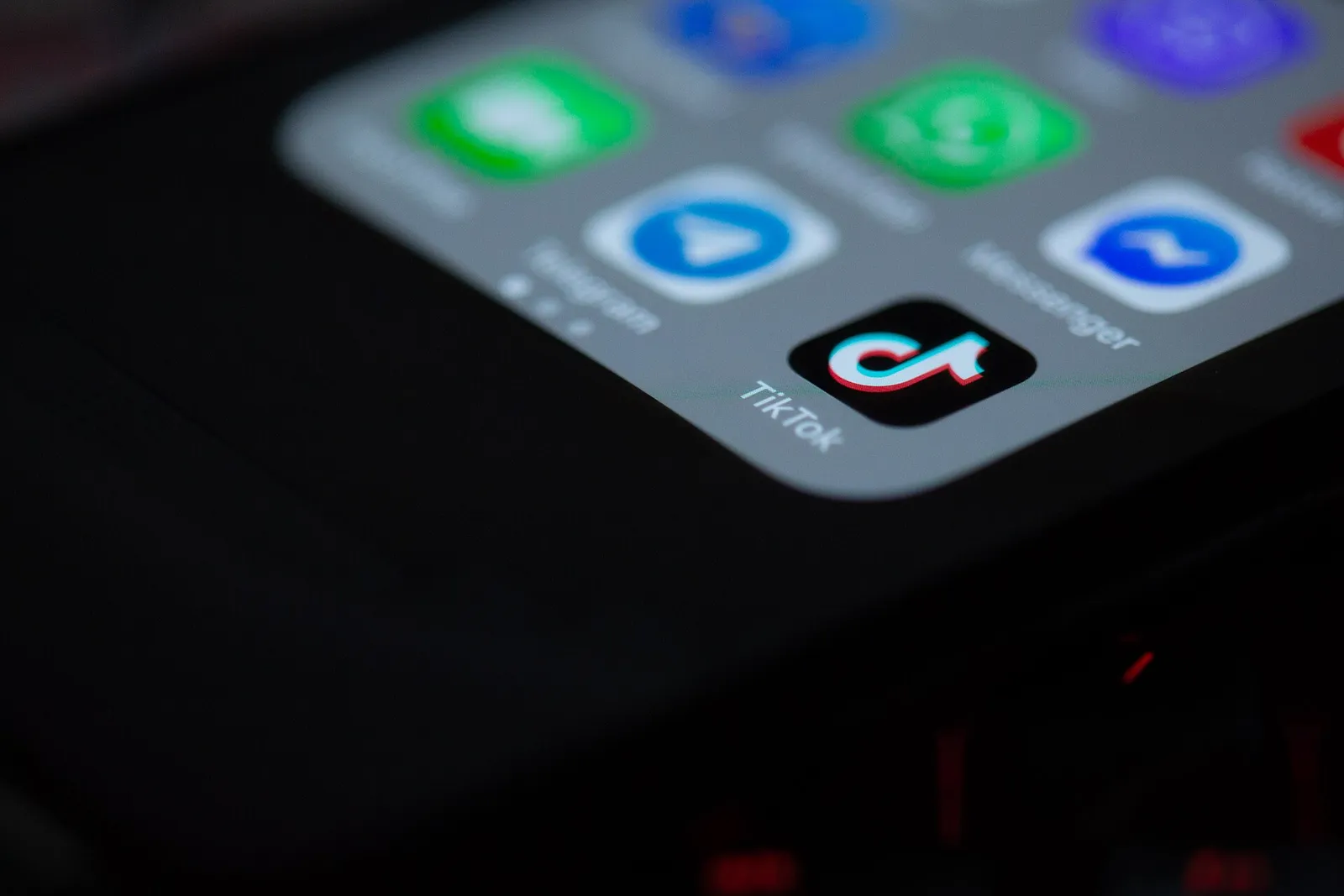
As AI-generated video floods social feeds, the platforms that host it are under pressure to help people tell the real from the synthetic. TikTok's latest answer is to lean on a technical standard. The company says it will automatically label AI-generated images and videos when they are uploaded carrying "Content Credentials," and will begin adding those credentials to content made on TikTok itself.
What Content Credentials are
Content Credentials are a kind of digital label attached to a piece of media that records how it was made, for instance whether AI was involved, and when and where it was created or edited. They are built on a standard from the Coalition for Content Provenance and Authenticity, an industry group known as C2PA whose members include camera makers, software firms and AI developers. The idea is a shared "nutrition label" for digital content that travels with the file.
When someone uploads an image or video that already carries these credentials, say, a clip generated by an AI tool that supports the standard, TikTok can read that metadata and label it automatically, rather than relying on the creator to disclose it. The company says the automatic labeling is rolling out on images and video, with audio to follow. It also plans to attach credentials to content produced on TikTok, so that the label persists even after the video is downloaded and can be checked with C2PA's verification tool.
A "deepfake," by contrast, is a video or audio clip that uses AI to depict a real person doing or saying something they did not. Provenance labels do not by themselves stop deepfakes, but they make it easier to establish where a piece of media came from, which is part of the defense.
Why platforms are moving
TikTok frames the change as part of a broader push on AI transparency and literacy, and says it has joined the standards group's steering committee and is testing better detection aimed at accounts that mass-produce AI spam, as covered by Social Media Today. By its own account, the platform has labeled more than three billion pieces of AI-generated content using a mix of these credentials, creator self-labeling and invisible watermarks, and says tens of millions of creators have used its labeling tools. Those figures are the company's own.
The move matters commercially for two reasons. First, regulators in the European Union and elsewhere are moving toward requiring that synthetic media be marked, so provenance systems are becoming a compliance necessity rather than a nicety. Second, trust is a business asset for any platform that sells advertising: if users cannot tell what is real, engagement and advertiser confidence both suffer.
The limits
It is worth being clear-eyed about what this does and does not do. The system only labels content that carries the credentials in the first place; media stripped of its metadata, or generated by tools that do not support the standard, can slip through. Provenance labeling is a floor, not a fix, and it does nothing on its own to resolve who owns a person's AI-generated likeness, a separate and growing fight between creators, brands and platforms. Still, a shared standard adopted by a platform of TikTok's reach nudges the whole industry toward making synthetic media traceable. In an information ecosystem increasingly filled with machine-made content, that traceability is becoming part of the basic infrastructure of trust.