
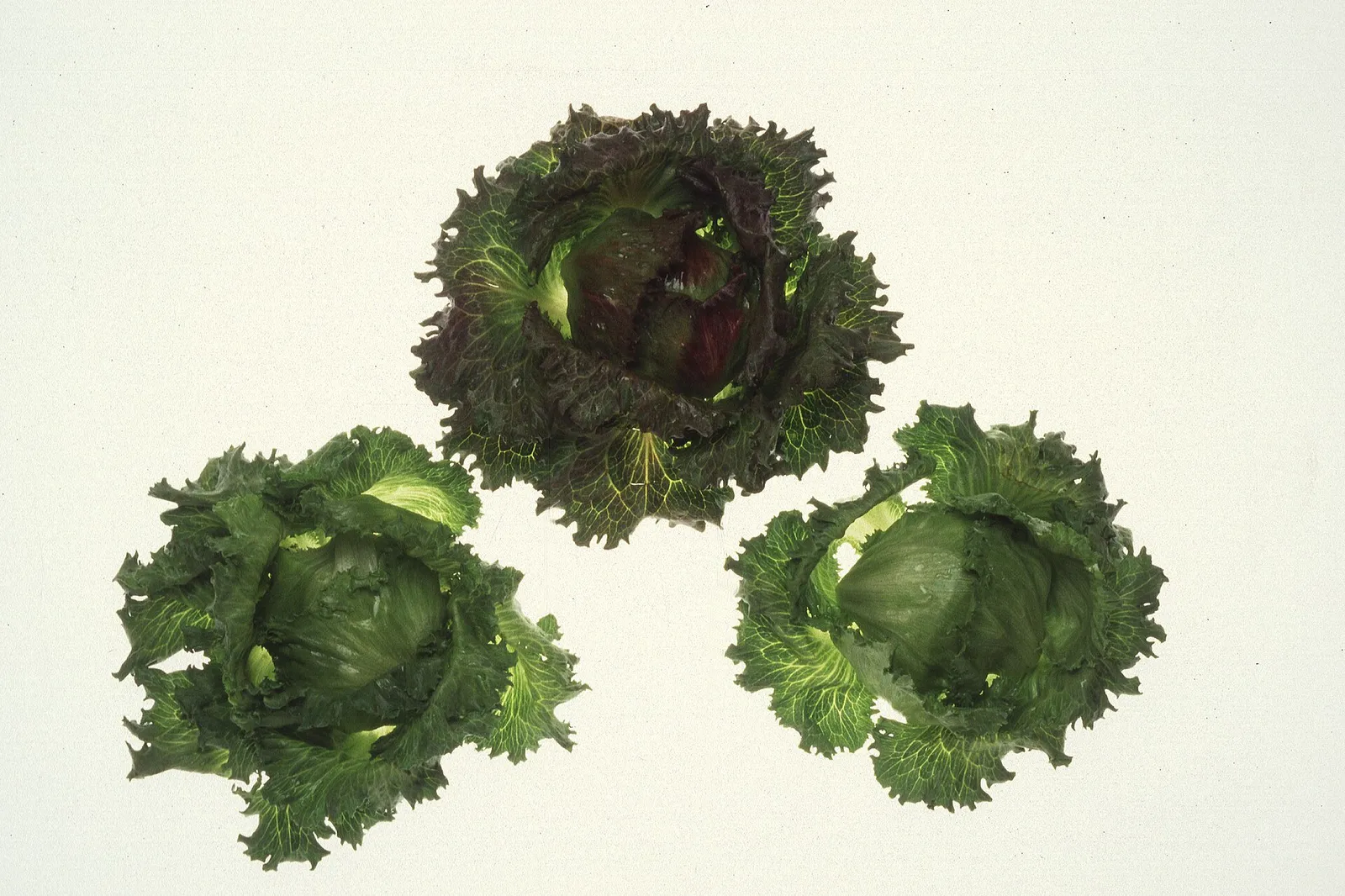
A microscopic parasite carried on shredded lettuce has grown into one of the larger foodborne outbreaks the United States has seen in years, and into a headache for the company behind Taco Bell. The Centers for Disease Control and Prevention says a multistate outbreak of cyclospora is linked to shredded iceberg lettuce served at Taco Bell locations in five states: Indiana, Kentucky, Michigan, Ohio and West Virginia.
The scale of the outbreak
As of mid-July the CDC reported more than 1,600 laboratory-confirmed cases tied to the outbreak, with 94 people hospitalized and no deaths. Counting suspected cases still being investigated, the agency says nearly 7,000 illnesses are either confirmed or under review across the country. People began reporting symptoms on or after June 22. Federal investigators traced the illnesses to a single supplier of iceberg lettuce grown in Mexico, and the Food and Drug Administration says it is working with that supplier and checking whether the contaminated lettuce reached other buyers. Among people interviewed, about 90% reported eating iceberg lettuce.
What cyclospora is
Cyclospora is a one-celled parasite that infects the small intestine, causing an illness called cyclosporiasis. The main symptom is watery diarrhea, often with cramps, nausea and fatigue, and it can last from a few days to several weeks; most people recover, and antibiotics can treat it. Infection comes from eating fresh produce contaminated with the parasite, typically through water or growing conditions rather than person-to-person spread. That is why leafy greens and other fresh produce, eaten raw and hard to sanitize completely, are recurring culprits.
The market and business fallout
For Yum Brands, the parent of Taco Bell, the episode is a reputational and operational test. The company's shares fell in the days after the outbreak became public, and a couple of other restaurant stocks with fresh-produce exposure wobbled in sympathy even where no link to the outbreak was found. Taco Bell moved to pull the lettuce from affected restaurants.
Wall Street's early read has been measured. Analysts have generally framed the damage as a one-quarter problem rather than a lasting one, on the view that established chains tend to recover from food-safety scares if they respond quickly and transparently. That is a pattern, not a promise: the speed of the response and whether the contamination is fully contained will determine how customers react.
The bigger vulnerability
Beyond one company, the outbreak highlights a recurring weakness in how fresh produce moves through the food system. A single supplier's lettuce, distributed widely, can carry an invisible contaminant to thousands of people across several states before anyone connects the cases. Tracing the source back through the supply chain takes time, during which more people can be exposed. It is a reminder that the efficiency of a centralized produce supply, one grower feeding a national chain, is also its fragility. Boursel does not give investment advice; the durable lesson here is about traceability in the food supply as much as about any one stock.