
A curious split has opened up in the US stock market. Broad benchmarks are near record levels, yet a large group of chipmakers, the very stocks that led the market higher for the past year, are being sold off sharply. Intel fell about 21% over seven trading sessions, and Micron dropped roughly 13% in a single session amid worries about Chinese competition, dragging down AMD and Marvell with it. A widely watched semiconductor exchange-traded fund has lost close to 9% over the space of a few weeks.
What is actually happening
This is not a story of demand disappearing. Chipmakers are still selling chips, and orders tied to AI remain large. What has changed is the price investors are willing to pay for those earnings. After a run that pushed semiconductor valuations to levels not seen since the dot-com era, the market has started asking a harder question: will the trillions of dollars companies are pouring into AI data centers actually generate returns to match?
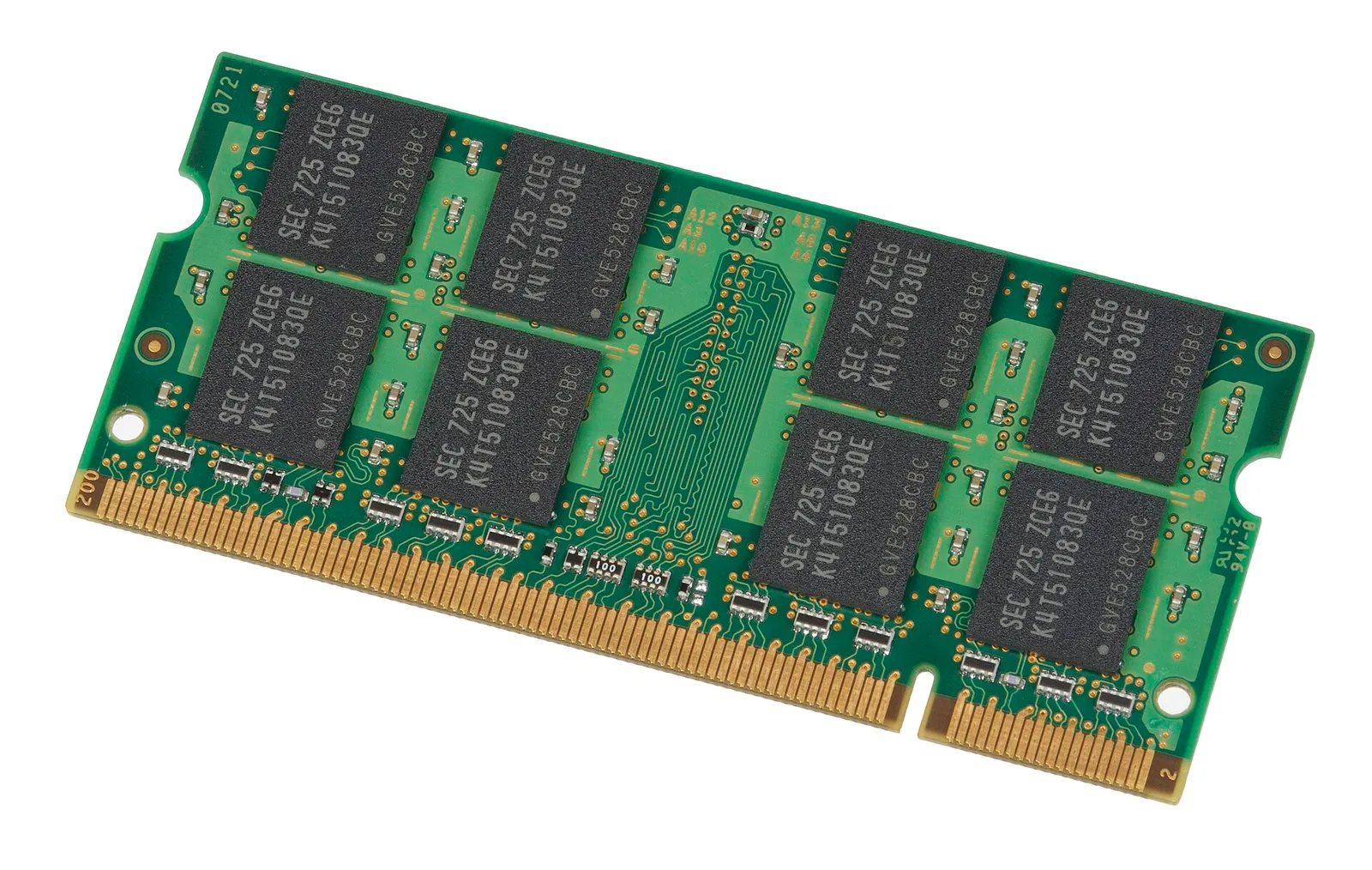
Two worries sit underneath the selling. The first is return on investment, the fear that the AI buildout is running ahead of the revenue it will eventually produce. The second is more specific to memory chips: signs of intensifying competition, including from Chinese manufacturers, that could squeeze prices. Reports around the start of July that Meta plans to sell surplus AI computing capacity to outside customers added to the unease, because a big buyer of chips turning into a seller of capacity changes the supply-and-demand picture.
Why the broad market held up
If chips are falling, why is the S&P 500 near a record? Partly because money is rotating rather than fleeing. As investors trim positions in expensive, AI-heavy names, some of that cash flows into other parts of the market, industrials, financials and other sectors that had lagged. The Dow Jones Industrial Average, which is lighter on semiconductors, has held up better than the tech-heavy Nasdaq, which slipped on the chip weakness. A rotation out of one hot corner into cheaper ones can leave the overall index roughly flat while individual stocks swing violently.
What it means
The scale of value involved is large. By some estimates the sector has shed well over a trillion dollars in market capitalization from its recent peak, a reminder of how much of the market's gains had been concentrated in a handful of chip names.
From here, analysts sketch two broad paths, and neither is a forecast. In one, AI infrastructure spending cools, demand normalizes, and chip stocks settle at more modest valuations before recovering. In the other, the buildout continues at a steadier pace, and today's beaten-down prices look inexpensive in hindsight. Both are already reflected in current prices, which is exactly why the stocks are so volatile: the market is repricing, in real time, a bet it had grown very confident about. Boursel does not give investment advice; the signal here is a shift from asking how high AI can go to asking what it is worth.