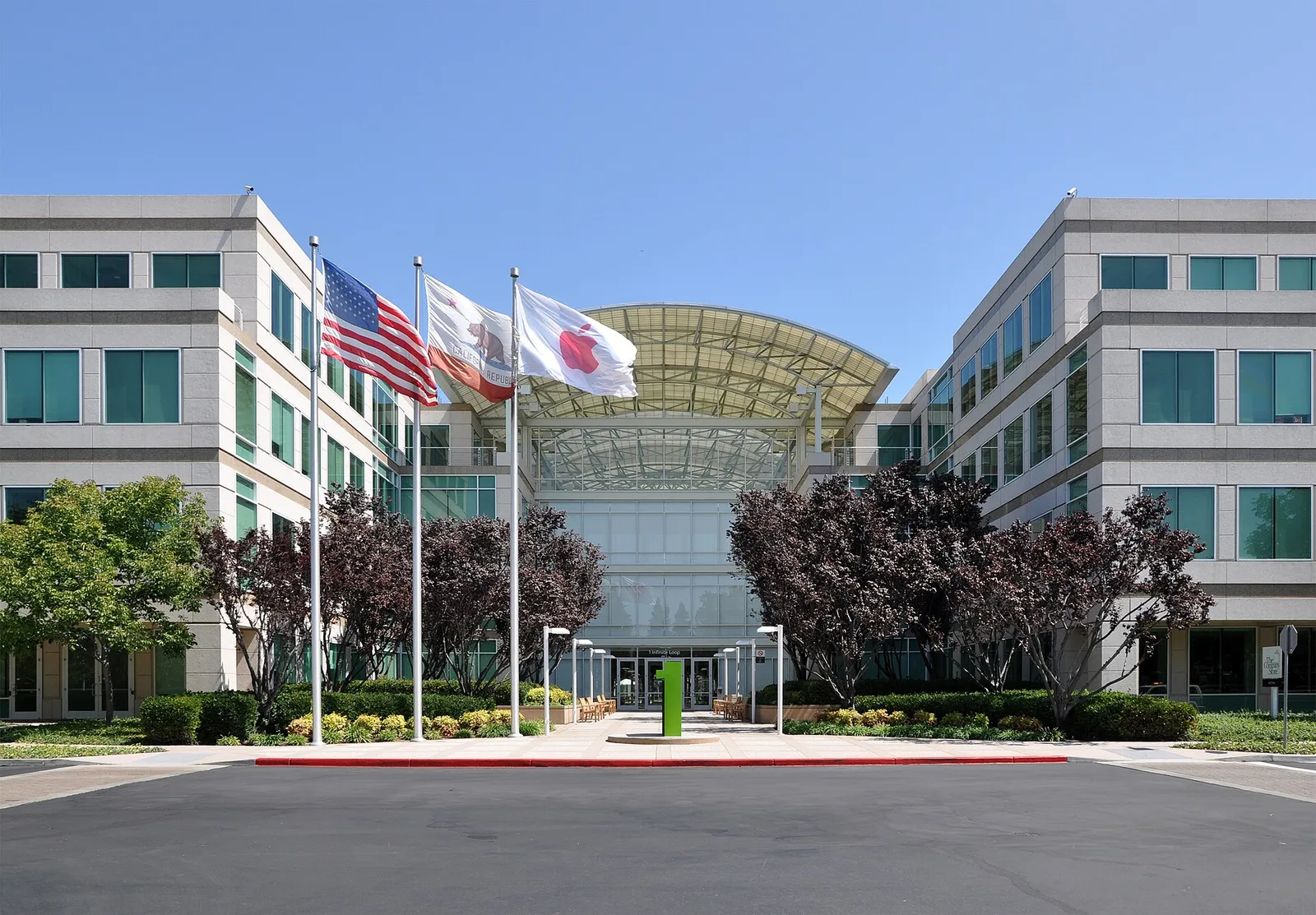
The title of world's most valuable company has changed hands again. Apple has overtaken Nvidia to reclaim the top spot, closing with a market value of about $4.88 trillion against Nvidia's roughly $4.86 trillion, according to CNBC. It is the first time Apple has led since around April 2025, before Nvidia's blistering AI-driven run carried it to the front.
What "most valuable" actually means
The ranking is based on market capitalization, the total value the stock market puts on a company. It is a simple calculation, the share price multiplied by the number of shares outstanding, but it is a powerful signal. It says where investors are placing their biggest bets and which companies they think will dominate the next stretch of the economy. With Apple and Nvidia separated by only a couple of tens of billions, out of nearly $5 trillion each, the lead is symbolic and could flip back any day. What is more telling is the direction each stock has traveled.
Why the gap closed
The two have moved in opposite directions this year. Apple is up around 22% in 2026, while Nvidia has gained only about 7%, per the reporting. Nvidia has not stumbled as a business, it remains the dominant supplier of the chips that train and run AI, but its shares have cooled after an extraordinary rally, as investors question how much higher a stock that already reflects enormous expectations can climb. Money has rotated toward the next stage of the AI build-out, including memory and infrastructure, and away from the name that led the first stage.
Apple's rise reflects a different bet. It has leaned into AI features across its huge base of devices while spending far less than rivals on the physical infrastructure of AI. Compared with the cloud giants pouring well over $100 billion each into data centers, Apple's capital spending is modest, which leaves it generating enormous free cash flow. In a market growing wary of the sheer cost of the AI arms race, that capital-light profile, profits now rather than years of heavy investment, has become an attraction rather than a sign of falling behind.
The bigger picture
The reshuffle captures a broader shift in how investors are treating the AI boom. For two years the clearest way to bet on AI was to buy the picks-and-shovels supplier, Nvidia, and the cloud companies building the data centers. Now some investors are drawing a distinction between the infrastructure builders, essential but hugely capital-intensive, and companies that can profit from AI without spending like that. Apple sits firmly in the second camp, and for now the market is favoring it.
None of this settles anything for long. Leadership among the mega-caps, Apple, Nvidia, Alphabet, Microsoft and Amazon, has flipped repeatedly and will again as earnings, product cycles and sentiment shift; a strong Nvidia quarter or a weak iPhone cycle could reverse it quickly. But the moment is a useful marker of where the market's mood has moved: from paying almost any price for the core of the AI build-out toward prizing companies that turn AI into profit cheaply. Boursel does not forecast which giant leads next; the signal worth noting is the change in what investors are rewarding.