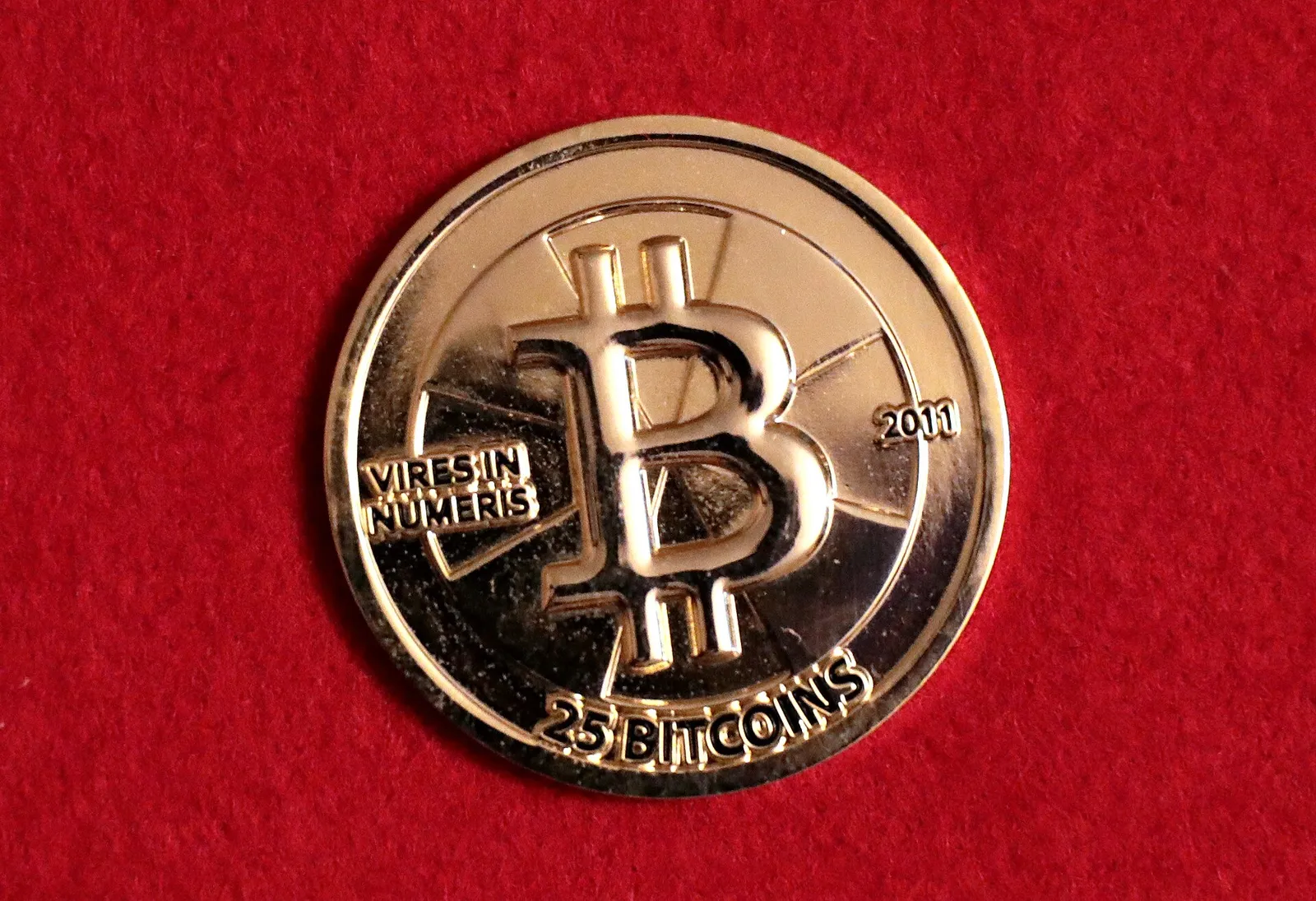

The theft of cryptocurrency increasingly starts far from the blockchain, on an ordinary home computer. US authorities have arrested a 21-year-old Florida man and charged him in connection with a scheme that allegedly planted crypto-stealing malware inside video games distributed on Steam, Valve's giant PC gaming platform, stealing about $220,000, according to Decrypt. These are allegations; the accused has not been convicted and is presumed innocent.
How the scheme allegedly worked
The games looked legitimate on Steam but secretly installed information-stealing malware once downloaded, prosecutors say. Over roughly two years, the operation pushed out several malware-laced titles and infected on the order of 8,000 devices, draining around 80 crypto wallets of about $220,000 in total, per Decrypt and Tom's Hardware. The accused allegedly helped finance and market the games and coordinated with an unidentified developer.
Why "crypto-stealer" malware is so dangerous
Crypto is protected by secret codes: a private key or a seed phrase, a string of words that grants complete control of a wallet. Whoever holds those codes controls the money. Crypto-stealing malware is built to find exactly that. Once on a machine, it quietly scans for wallet keys, seed phrases and login details and sends them to the attacker, who then empties the wallet.
The crucial and painful difference from a stolen bank password is that there is no reset and usually no reversal. A bank can freeze an account and claw back a fraudulent transfer; a blockchain transaction is final, and once a seed phrase is compromised, the funds can be gone in minutes with little recourse. That finality is what makes this class of attack so lucrative.
Why games are a delivery route
Gaming platforms are an attractive way to spread malware. They have enormous user bases, a constant flood of new titles that provides cover, and a general reputation for safety that can make people less cautious about what they install than they might be with a random download. A booby-trapped game that runs normally while stealing in the background can reach many machines before anyone notices.
How he was caught, and the lesson
Investigators reportedly followed the money on the blockchain itself: the stolen Bitcoin was traced through purchases of gift cards, which were in turn linked back to the accused's addresses. It is a reminder that crypto's transparency cuts both ways, the same public ledger that thieves exploit can also expose them.
For anyone holding crypto, the practical takeaways are old-fashioned computer hygiene: be wary of unfamiliar downloads, even on trusted-seeming platforms, and keep significant holdings in a "cold" wallet, one stored offline and disconnected from an internet-connected computer, so that malware on your PC cannot reach the keys. The broader point for the market is that as crypto has become more valuable, the criminals chasing it have grown more organized and more patient, and the weakest link is usually the user's own device. Boursel does not offer investment advice.