Amazon is tapping the bond market again, and the size of the ask shows just how expensive the artificial-intelligence build-out has become. The company is raising at least $25 billion in a new bond sale, split across eight tranches with maturities ranging from three to 40 years, CNBC reported. The money will help fund the data centers, chips and power that its AI ambitions require.
What a bond sale is, and why this one is big
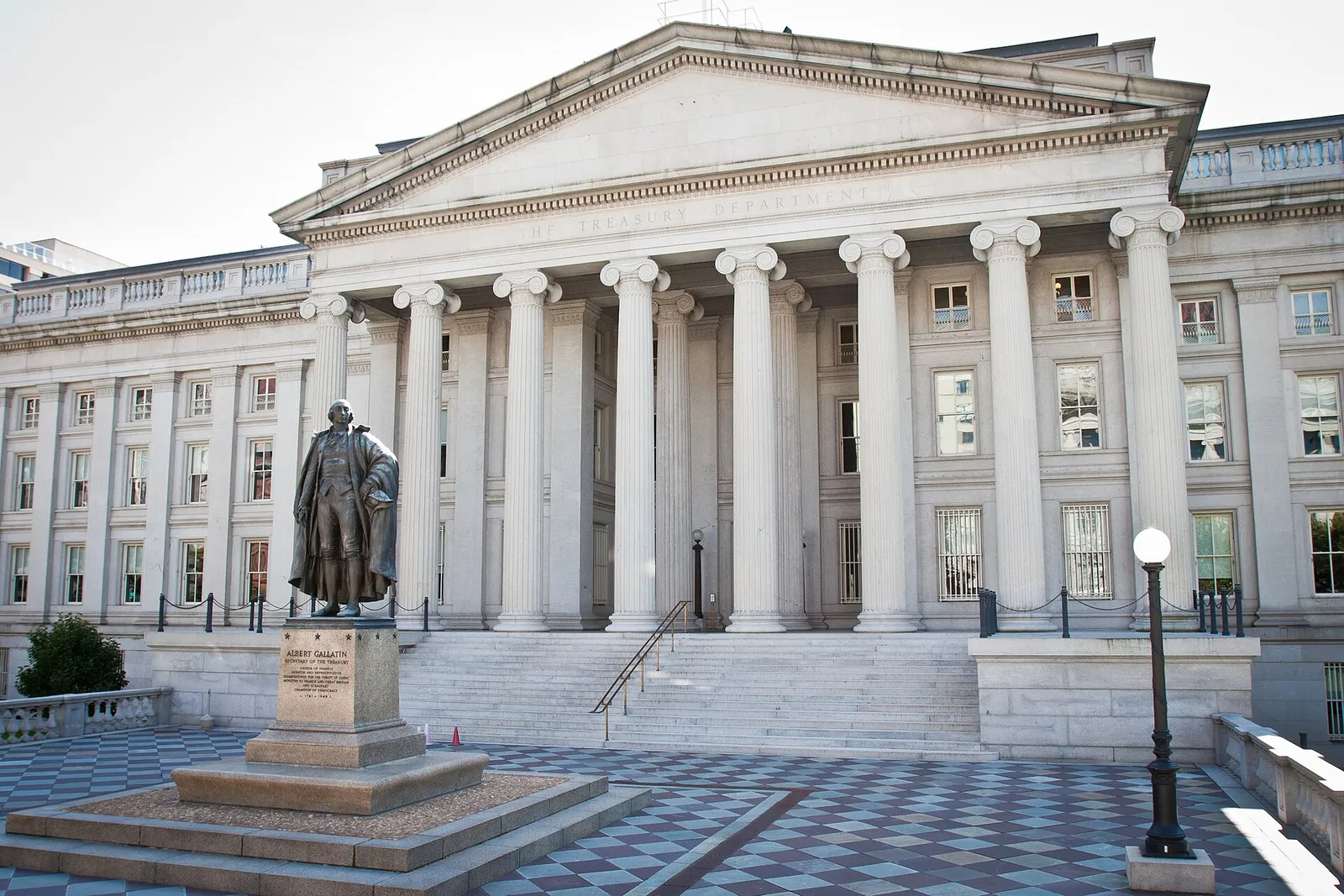
When a company sells bonds, it is borrowing from investors, promising to pay interest and return the principal on a set date. The longest of Amazon's new bonds does not mature until 2066, and was expected to pay roughly 1.45 percentage points more than a comparable US Treasury bond, the extra yield investors demand to lend to a company rather than the government.
The scale is what stands out. Amazon has already raised around $54 billion in bonds this year in the US and Europe, plus more in Canada, and told investors it does not plan to borrow further in 2026, CNBC reported. The borrowing is in service of an enormous spending plan: Amazon has guided to about $200 billion of capital expenditure this year, up sharply from roughly $131 billion in 2025, most of it going toward AI infrastructure.
The bigger picture: a wave of AI debt
Amazon is not alone. The largest cloud companies, Amazon, Microsoft, Alphabet, Meta and Oracle, are spending on data centers at a pace that increasingly outstrips even their vast cash flows, and the gap is being filled with borrowing. Analysts at Morgan Stanley have estimated that AI-related bond issuance could nearly double this year toward the region of half a trillion dollars, which would make it one of the biggest forces in the entire corporate-bond market, as widely reported.
That concentration is starting to unsettle some investors. "Credit spreads", the extra yield a company pays over Treasuries, are the market's price for risk; when they widen, it means lenders are demanding more to hold a borrower's debt. Bond buyers are growing choosier about long-dated technology debt, wary that so much of it is riding on a single bet, that the tens of billions being poured into AI will earn an adequate return.
Demand was still there
For all the nervousness, Amazon's deal was well received. Orders reportedly peaked around $62 billion, far more than the amount on offer, before banks trimmed the final size and pricing, Bloomberg reported. That is the signature of a still-healthy market: a blue-chip, highly rated borrower like Amazon can raise $25 billion in an afternoon. The caution is directed less at Amazon specifically than at the aggregate, the sheer volume of AI-linked debt arriving at once, and at weaker names further down the quality scale.
Analysts and regulators have also flagged a subtler worry: some data-center financing is being done through off-balance-sheet vehicles and joint ventures funded by private-credit investors, which keeps the borrowing out of headline debt figures. The Bank for International Settlements has cautioned that such structures could add hidden stress if funding conditions tighten.
Why it matters
The episode captures the central financial question of the AI boom. If the spending pays off, through cloud revenue, software and services, today's borrowing will look like a shrewd land-grab. If returns disappoint, some of the most valuable companies in the world will be left with heavier balance sheets and a long stretch of refinancing to manage. For now, the market is willing to fund the bet, but the widening spreads are a reminder that its patience is not unconditional. This article is informational and not investment advice.