A long-running fight over how live TV is sold has ended with Disney writing a check — and agreeing to loosen its grip on the bundle.
The settlement
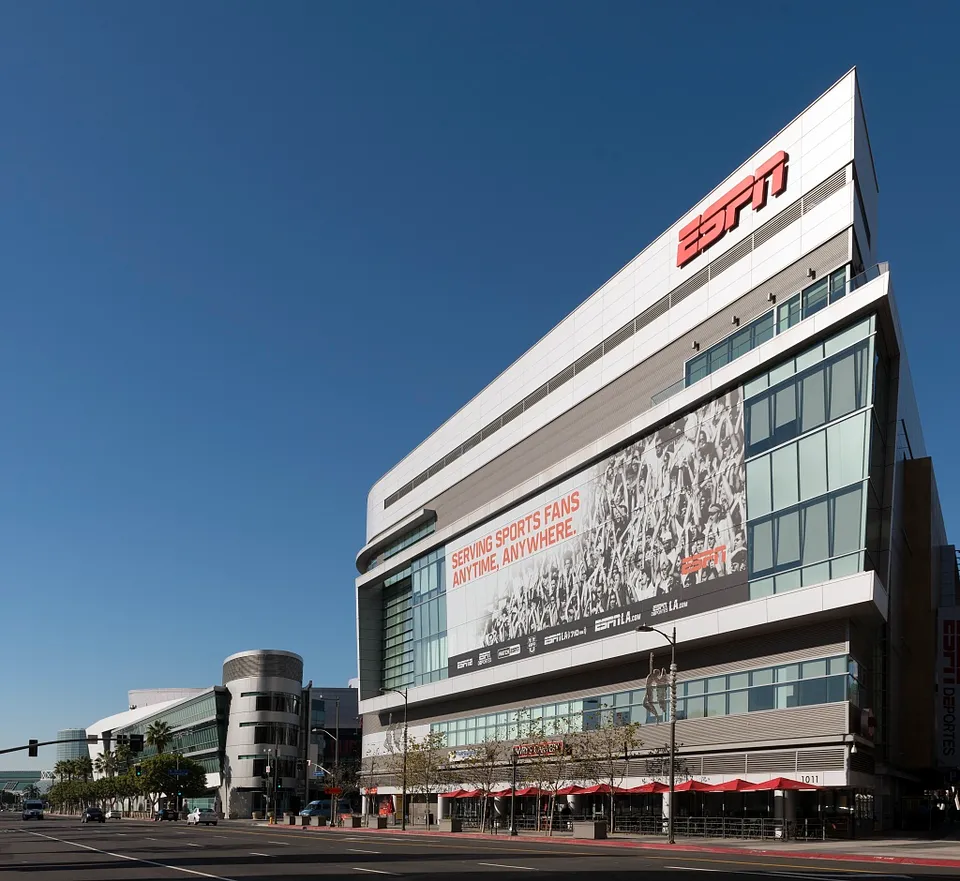
Disney has agreed to pay $50 million to settle a class-action lawsuit brought by subscribers to YouTube TV and DirecTV's streaming service, The Verge reported. The suit alleged that Disney exploited ESPN's status as essential sports programming to force those distributors to carry the network in their main, lower-priced tiers — effectively blocking cheaper packages without ESPN and propping up prices across the live-TV market. Disney denied wrongdoing and said it settled to avoid the cost and risk of continued litigation.
The money goes into a fund for current and former subscribers over a multi-year eligibility window; payouts will be split among those who file valid claims, per Yahoo Finance. Eligible subscribers can file through the official settlement site, with a claim deadline later this year and a final approval hearing set for early 2027.
The concession that matters
Beyond the cash, Disney agreed to a behavioral change that strikes at the heart of the complaint: it must consider proposals from streaming distributors for slimmer channel lineups — including options that leave ESPN out. Mandatory ESPN carriage was the core grievance, so even an obligation merely to entertain ESPN-free tiers is a meaningful crack in the all-or-nothing bundle model that has defined pay-TV economics for years.
Why the dispute got so heated
The case played out against two high-profile blackouts. In September 2024, Disney pulled ESPN, ABC and other channels from DirecTV for nearly two weeks during a contract fight, leaving subscribers without college football, the U.S. Open and the Emmys. A year later, in late 2025, Disney's channels went dark on YouTube TV for roughly two weeks during another standoff, again hitting football season; Disney later said the episode cost it a sizable chunk of operating profit. Each dispute underscored how much leverage ESPN gives Disney — and how much consumers pay for it.
What it signals
The settlement lands as traditional pay-TV keeps shrinking. Both DirecTV and YouTube TV have lost subscribers to cord-cutting, even as ESPN still commands some of the highest per-subscriber fees in television. The squeeze has pushed distributors and viewers alike to resist paying for big bundles built around sports they may not watch. Disney's agreement to consider ESPN-free options — alongside its broader move to sell ESPN directly to consumers through a standalone streaming service — points to where the business is heading: away from forcing every subscriber to buy the most expensive channel in the bundle, and toward letting them choose. For households, the immediate payoff is a modest refund; the longer-term one may be more say over what they pay for.