Doncasters Group, a specialist manufacturer whose parts sit inside jet engines and power-plant turbines, made its stock-market debut on June 25, pricing its initial public offering at $33 a share — above the range it had marketed — and raising roughly $919 million on the New York Stock Exchange.
What Doncasters does
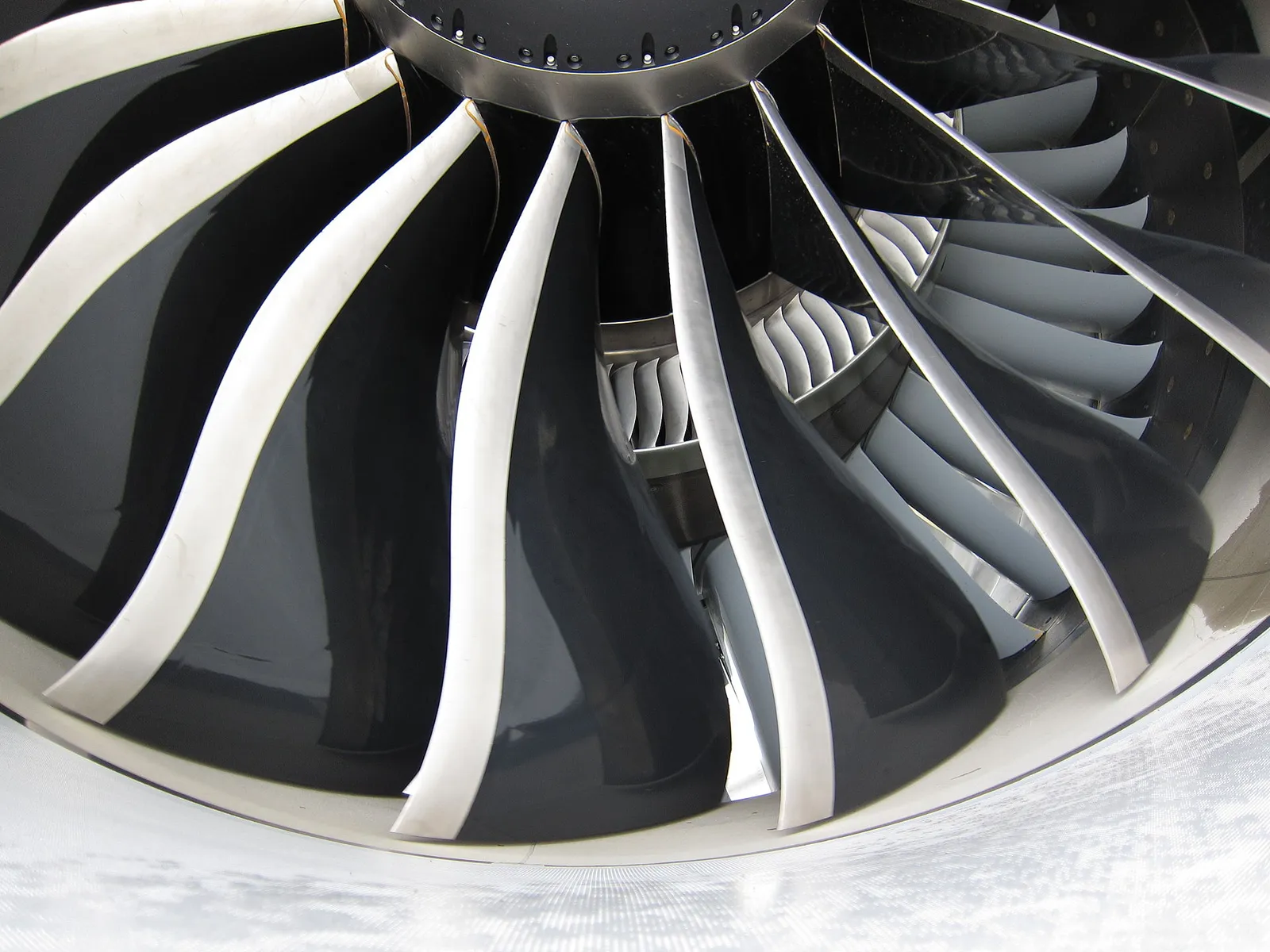
Doncasters makes highly engineered precision components from nickel- and cobalt-based "superalloys" — metals built to survive the extreme heat and stress inside turbine engines. Its products include the blades, vanes and combustion parts used in commercial and military aircraft engines and in the large industrial gas turbines that generate electricity. The company operates roughly 14 plants across North America, Europe, the UK and Asia, according to Investing.com and Stock Analysis.
It is growing but not yet profitable: trailing 12-month revenue was about $886 million, up roughly 12% year over year, against a net loss of about $167 million, per Stock Analysis.
The IPO, explained
An initial public offering is the first sale of a company's shares to the public. "Pricing" is the moment, the night before trading starts, when the company and its banks set the final share price based on the demand they gathered from investors.
Demand for Doncasters ran ahead of expectations. It had marketed the deal at $28 to $32 a share; instead it upsized the offering to about 27.9 million shares and priced at $33, Investing.com reported, for gross proceeds near $919 million — a figure that could approach $1.06 billion if underwriters take up their full over-allotment option. At the IPO price, the company's implied market value was roughly $4.2 billion, per Stock Analysis.
Jefferies and Morgan Stanley led the offering. Doncasters said it would use the proceeds chiefly to pay down debt, with the rest for working capital and growth. Qatar's sovereign wealth fund took a $75 million cornerstone stake ahead of the listing, according to Stock Analysis — a vote of confidence from a major institutional investor, though Boursel could not independently confirm that detail from a primary filing.
The shares slipped below the $33 offer price in early trading — a reminder that pricing above the range does not guarantee a strong first day.
The market backdrop
The Doncasters listing lands as the U.S. IPO market shows signs of thawing after a long drought. There had been 179 U.S. IPOs so far in 2026, up about 11% from the same point in 2025, per Stock Analysis. At nearly $1 billion raised, Doncasters ranks among the larger industrial offerings of the year — a sign that investor appetite extends beyond the technology names that have dominated recent listings, to businesses tied to aerospace supply chains that remain busy with strong commercial-aviation and defense demand.
Why it matters
The aerospace supply chain has been strained since the pandemic disrupted production and as engine makers wrestle with labor and materials costs. A near-$1 billion raise gives Doncasters publicly traded stock it can use to cut debt and fund investment, potentially strengthening its hand with the engine makers it supplies. The soft first-day trading, though, signals that investors will want to see the company convert revenue growth into profit before rewarding the stock — the central question hanging over a debut priced for optimism.