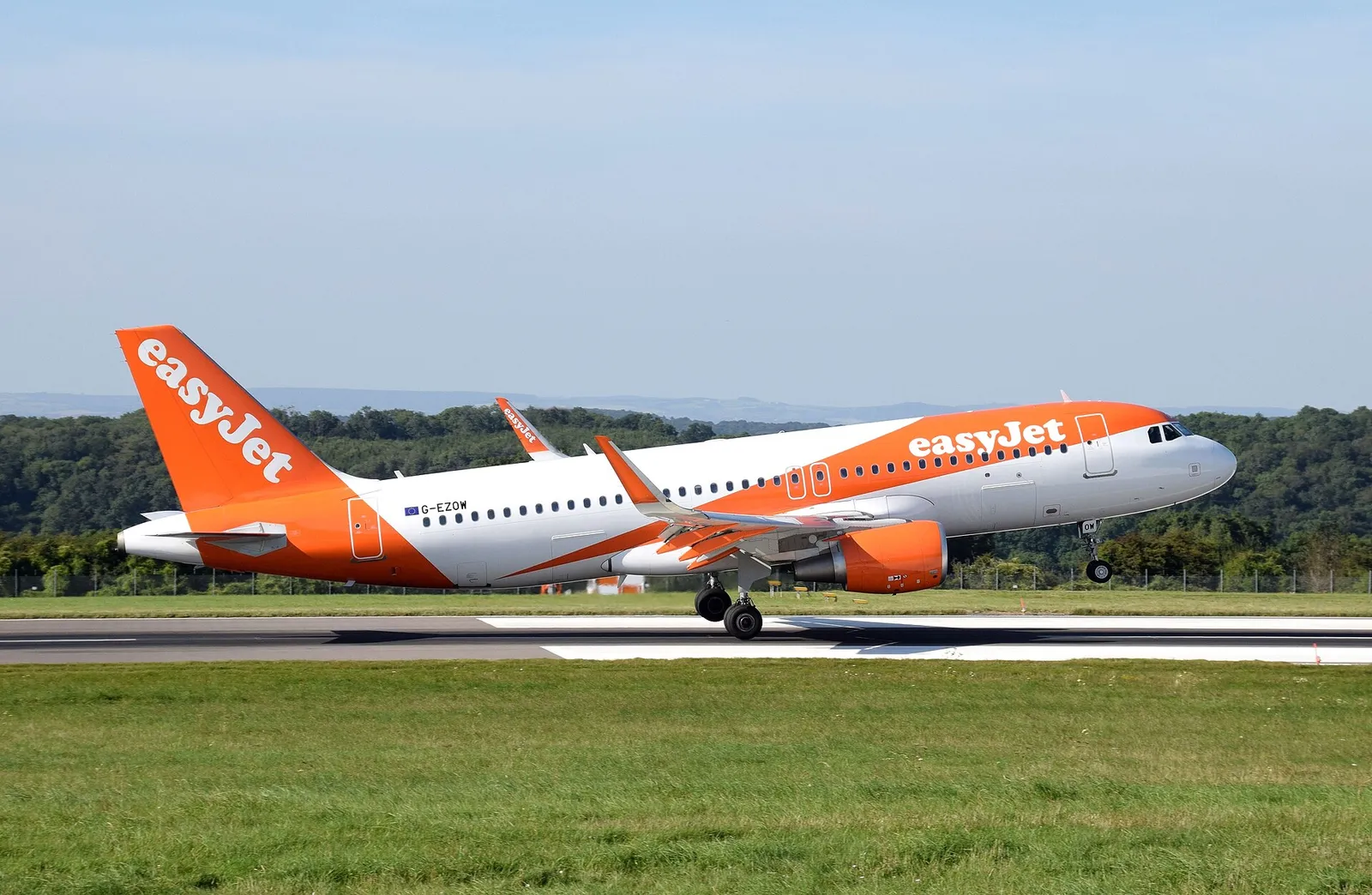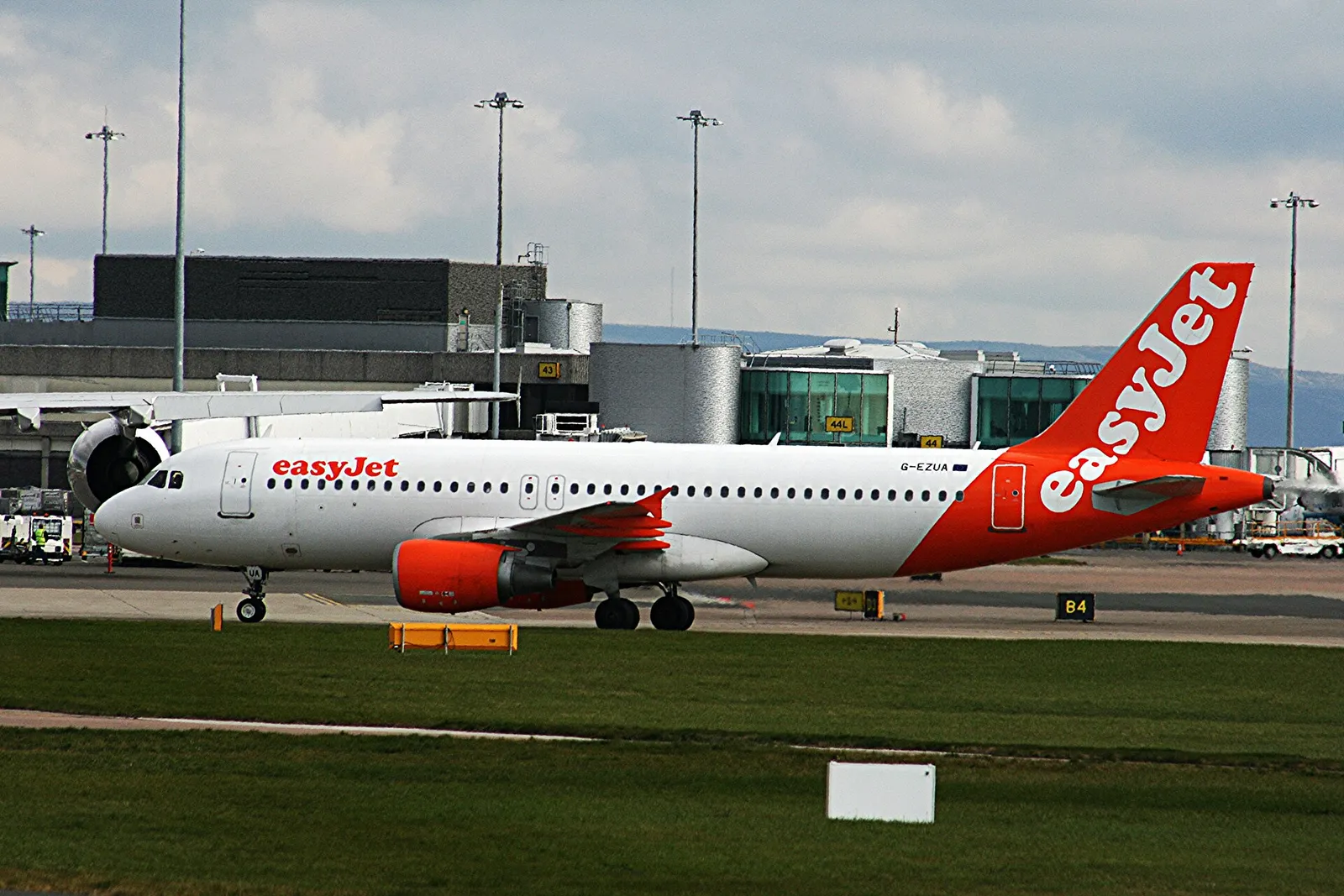
After weeks of holding out, easyJet has changed its mind. The British low-cost airline said its board had agreed in principle to a takeover by Castlelake, a Minneapolis-based private-credit firm, at a price it had repeatedly rejected only weeks earlier. It is a notable turn for one of Europe's best-known budget carriers, though the deal is still some way from done.
The terms
Castlelake's accepted offer values easyJet at 690 pence a share, or about £5.23 billion, Investing.com reported. It is an "agreement in principle" rather than a firm, binding deal: the two sides have given themselves until 5 p.m. London time on August 3 to nail down the formal documentation, according to Investing.com. Castlelake is not acting alone; its partners in the bid include Mark Breen and Peter Bellew, a former easyJet executive who left the airline in 2022, per Investing.com. Castlelake has said it "intends to support the company's future growth and fleet modernisation programme."
A deal that took five tries
The agreement caps a persistent pursuit. Castlelake first approached easyJet on May 29 with an opening bid of 560 pence a share and then raised it repeatedly; the 690-pence agreement is its fifth and highest offer, Investing.com reported. Along the way easyJet's board rebuffed several proposals, including a 650-pence bid it turned down as too low. The extra 40 pence a share, and the airline's shifting assessment of its own prospects, appear to have been enough to bring the board around.
What still has to happen
An agreement in principle is a milestone, not a conclusion. Because easyJet is a European airline, any takeover has to be structured to satisfy EU and UK rules that limit ownership and control of European carriers by non-European investors, a constraint that shapes how a deal like this can be put together. It also needs the backing of shareholders. The largest of those is the Haji-Ioannou family, founders of the airline, who hold about 15.3% and whose support would be important to any vote, Investing.com reported. Beyond that, the transaction is likely to draw the usual competition and regulatory review.
Why it matters
If it completes, the deal would take one of Europe's major budget airlines off the public market and into private ownership, joining a broader wave of financial buyers moving into aviation and travel assets. For easyJet's shareholders, it offers a cash exit at a premium to the price Castlelake first floated. For the airline, the questions that follow a private-equity-style takeover, about debt, investment and strategy, will only come into focus once the deal is signed, if it is. For now, both the price and the deadline are set; whether the paperwork and the votes follow is the next test.