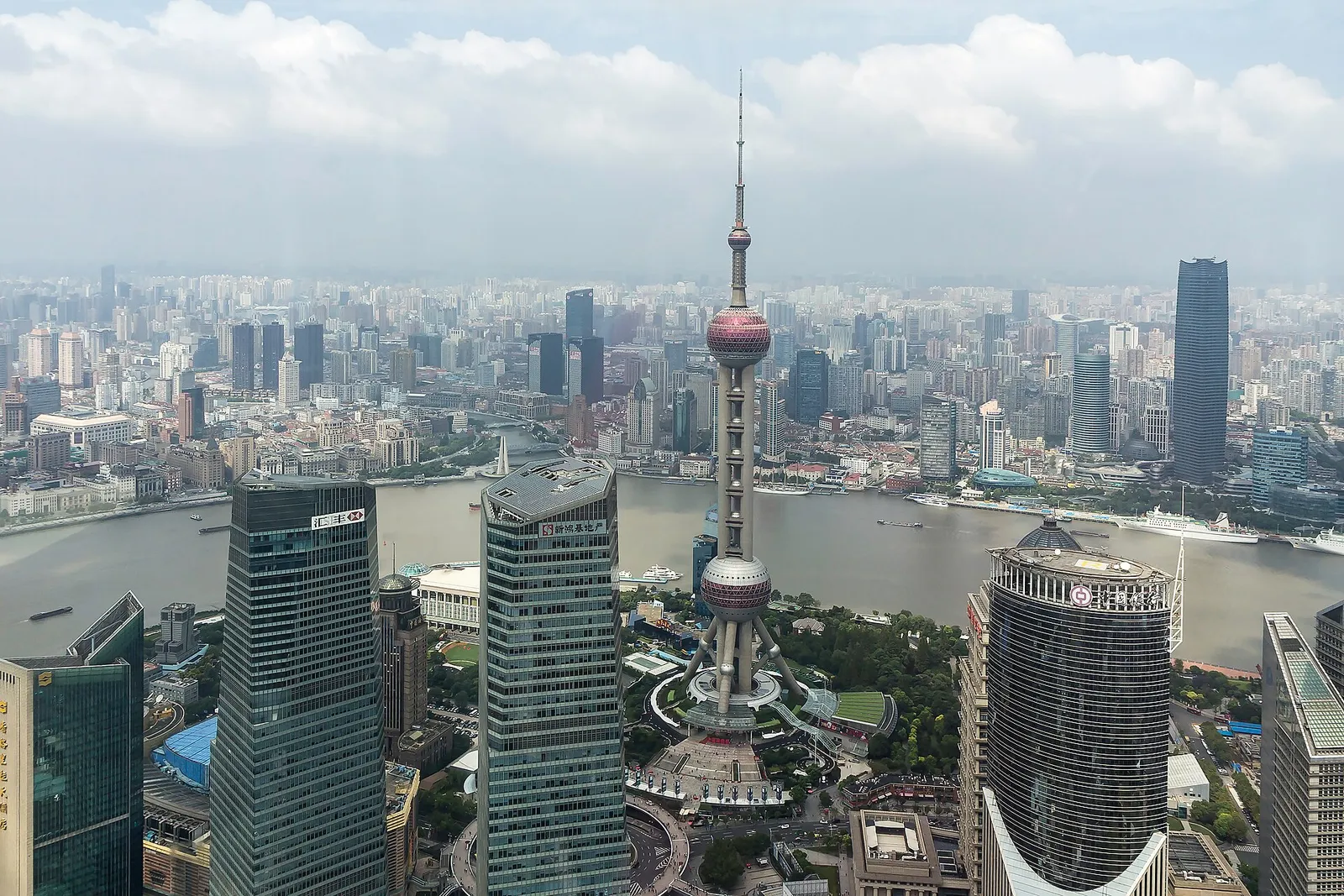
China is trying to write the rules of artificial intelligence, not just build the technology. At the World AI Conference in Shanghai, President Xi Jinping made his first appearance at the event and used it to press a distinctly Chinese vision for how AI should be governed globally, calling for more international cooperation and criticizing US curbs on sharing technology, according to Reuters. "The development of artificial intelligence should not be a solo performance by any single country, but rather a symphony of global cooperation," he said, per the reporting.
The new body
The centerpiece is institutional. China is backing a new World AI Cooperation Organization, an intergovernmental body it wants headquartered in Shanghai, with an initial group of around 29 countries signing on, according to Chinese state media and international reporting. Its pitch, in contrast to Western-led efforts, is that membership comes with no ideological strings attached, an offer aimed squarely at developing nations that feel shut out of the US-led AI order.
Beijing paired the diplomacy with concrete inducements: Xi promised training programs and technical help on AI for developing countries, and offered wider cooperation with regional blocs. The message to the "Global South" is that China will share access to AI, including cheaper and more open models, where Washington has been restricting it.
Why governing AI is an economic contest, not just a diplomatic one
It is tempting to see this as abstract diplomacy, but the stakes are commercial. Whoever sets the standards for AI, the technical norms, the safety rules, the terms of access, influences which products become defaults, where investment flows, and whose companies gain the edge. If large parts of the world build on Chinese AI infrastructure and standards, that is a durable market advantage for Chinese firms; if they build on American ones, the reverse. Governance, in other words, is a way of competing for the future AI economy.
That is why Xi's framing matters. By positioning China as the open, cooperative partner and the US as the one hoarding technology, Beijing is trying to convert Washington's export controls, restrictions on selling the most advanced AI chips to China, into a diplomatic liability and a selling point for its own ecosystem.
The backdrop
The move lands amid a hardening technology split between the two powers. The US has tightened limits on exporting cutting-edge AI chips and equipment to China, aiming to slow its progress; China has responded with its own restrictions on critical materials and by pushing to build a self-sufficient chip and AI stack. Chinese labs have meanwhile narrowed the gap with US frontier models, often at lower cost, which strengthens Beijing's hand in offering capable AI to other countries.
The result is a growing bifurcation: two increasingly separate AI worlds, with much of the rest of the globe now being courted to pick a side. Xi's Shanghai pitch is an attempt to make China's side the more welcoming one. Whether a China-led body can meaningfully shift global AI standards is unproven, US firms still lead at the frontier, but the contest over who governs AI has now been formally joined. Boursel takes no view on how it resolves.