The scramble to build the power plants behind artificial intelligence just hit a wall in the New Mexico desert. The state's Commissioner of Public Lands, Stephanie Garcia Richard, has again rejected a permit for a natural-gas pipeline that would help power a large Oracle data center known as Project Jupiter, according to the Albuquerque Journal. It is a modest-sounding permitting decision, but it captures one of the biggest constraints now facing the AI industry: electricity.
What was denied, and why
The proposed pipeline would have crossed state trust land in southern New Mexico to carry natural gas to on-site generators powering the data center near Santa Teresa, close to the Texas border. Garcia Richard concluded the project was not in the best interest of the state trust, pointing to its greenhouse-gas emissions and the burden it would place on scarce water in a desert region, per the Albuquerque Journal and KVIA. It was the second time she turned the request down.
Oracle has said it is shifting the facility's power plan toward fuel cells rather than gas turbines, which it says lowers both emissions and water use, and has pledged to reach carbon-free electricity at its AI data centers over the coming decade. Even so, the revised plans still involve large amounts of on-site generation, and the state judged the environmental cost too high.
Why AI needs so much power
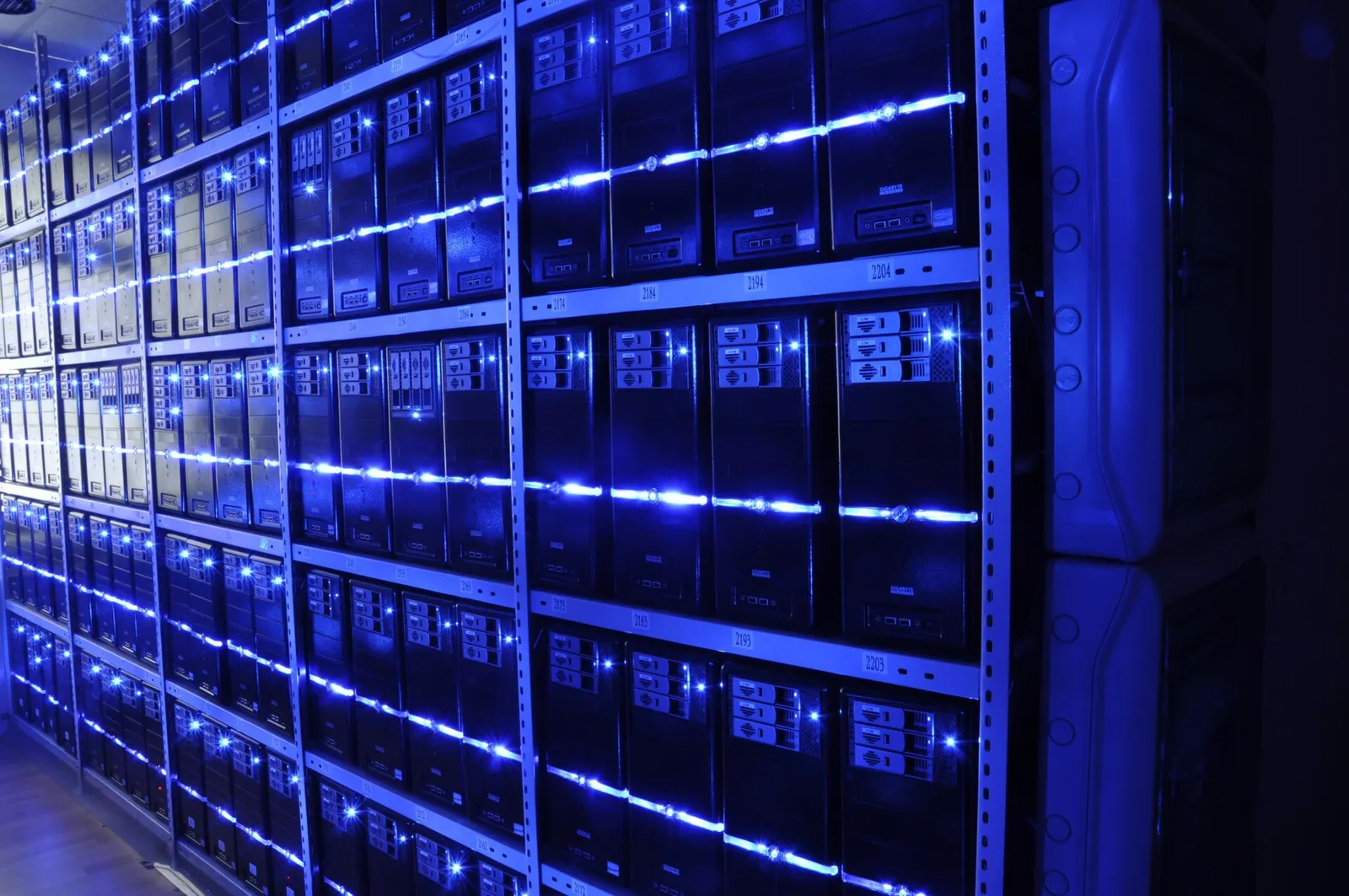
A modern AI data center is not a normal office building; it is closer to a small city's worth of electricity demand packed into one site. The specialized chips that train and run AI models draw enormous power and generate intense heat, which then requires still more energy and water to cool. Facilities like Project Jupiter are designed to run at a scale measured in gigawatts, comparable to sizeable power plants.
That is the crux of the problem. Connecting a project this hungry to the public electricity grid can take years, because the grid often lacks the spare capacity and new transmission lines take a long time to build. So developers increasingly try to build their own power on-site, frequently burning natural gas, to get running faster. That speed is exactly why the approach has spread, and burning gas at that scale is exactly what draws environmental and permitting objections.
The bigger picture
The New Mexico decision is one data point in a much larger collision. Across the US, the surge in AI computing is driving a steep rise in projected electricity demand, and analysts and the Department of Energy have warned that data centers will consume a rapidly growing share of the grid in the coming years. To meet it quickly, the industry is leaning heavily on natural gas, even as states and communities weigh the emissions, water use and local impact.
For investors, the episode is a reminder that the AI build-out is not only a story about chips and models; it is also a story about megawatts, pipelines and permits. The companies racing to add capacity, Oracle among them, are discovering that power, not just capital or silicon, may be the binding constraint, and that local regulators can slow even the best-funded project. Boursel does not forecast how the standoff resolves; the trend to watch is how, and how cleanly, the AI industry secures the electricity it needs.