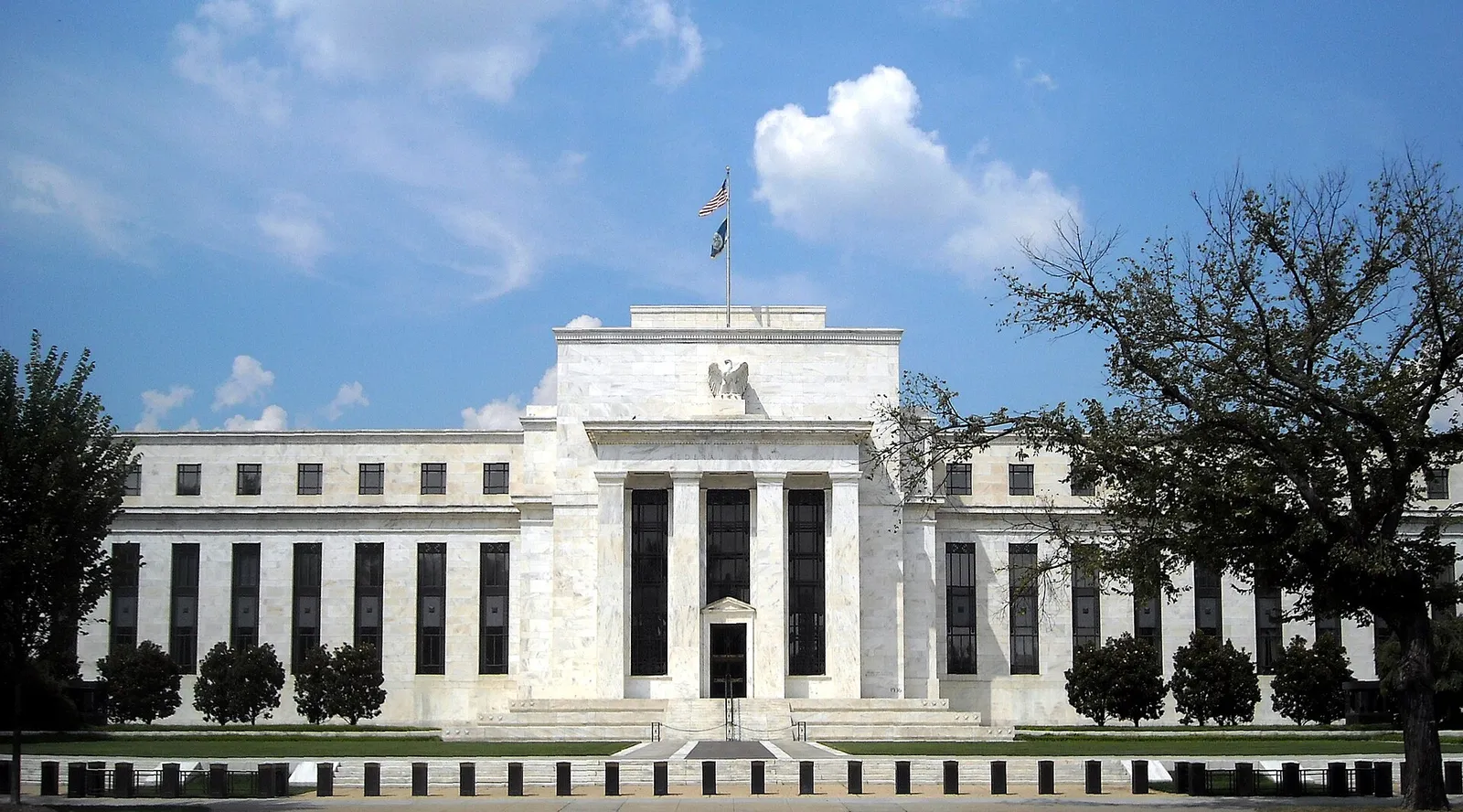
Wall Street is approaching Thursday's release of the May personal consumption expenditures (PCE) price index — the Federal Reserve's preferred inflation gauge — with an uneasy split between good and bad news.
The gauge in question is PCE, not the more widely cited consumer price index (CPI). The distinction matters: the Bureau of Economic Analysis produces PCE monthly, and the Fed has treated it as its primary inflation yardstick since 2000. PCE covers a broader basket than CPI — including spending made on households' behalf, such as employer- and government-funded healthcare — and reweights that basket every month, so it captures consumers switching to cheaper goods faster. Housing carries roughly a third of CPI but only about 15% of PCE, the Cleveland Fed notes, one reason PCE has averaged about 0.4 percentage point below CPI since 2000.
The latest hard data
The most recent confirmed reading is for April. Headline PCE rose 3.8% from a year earlier and 0.4% on the month, while core PCE — which strips out volatile food and energy to show the underlying trend the Fed watches most closely — climbed 3.3% year over year and 0.2% on the month, in line with forecasts, CNBC reported.
What the May report could show
The mixed message lies in the expectations. Economists expect headline PCE to accelerate to about 4.1% year over year in May — what would be its highest since April 2023 — driven largely by energy, according to Morningstar. The potentially reassuring side: core PCE is seen holding near 3.3%, with some forecasters penciling in only a slight tick to 3.4%, per FXStreet. A stable core would suggest the headline spike is concentrated in energy rather than broadening across the economy. These are forecasts; the figures remain estimates until the BEA publishes them.
Why it matters for policy
The data lands days after the Fed held its benchmark rate at 3.50%–3.75% for a fourth straight meeting on June 17. The bigger surprise was the projections: the median 2026 "dot-plot" rate jumped to 3.8% from 3.4% in March, and officials lifted their end-2026 PCE inflation forecast to roughly 3.6%, signaling a possible hike this year, FXStreet reported. That hawkish turn has fed the strong-dollar repricing Boursel has tracked, with futures moving to price additional tightening into year-end.
For markets, the read-through is conditional. A hot headline alongside a contained core could let the Fed argue energy is a transitory shock; a firmer core would harden the case for hikes and pressure equities further. This is analysis, not investment advice, and the May figures remain forecasts until they are published.