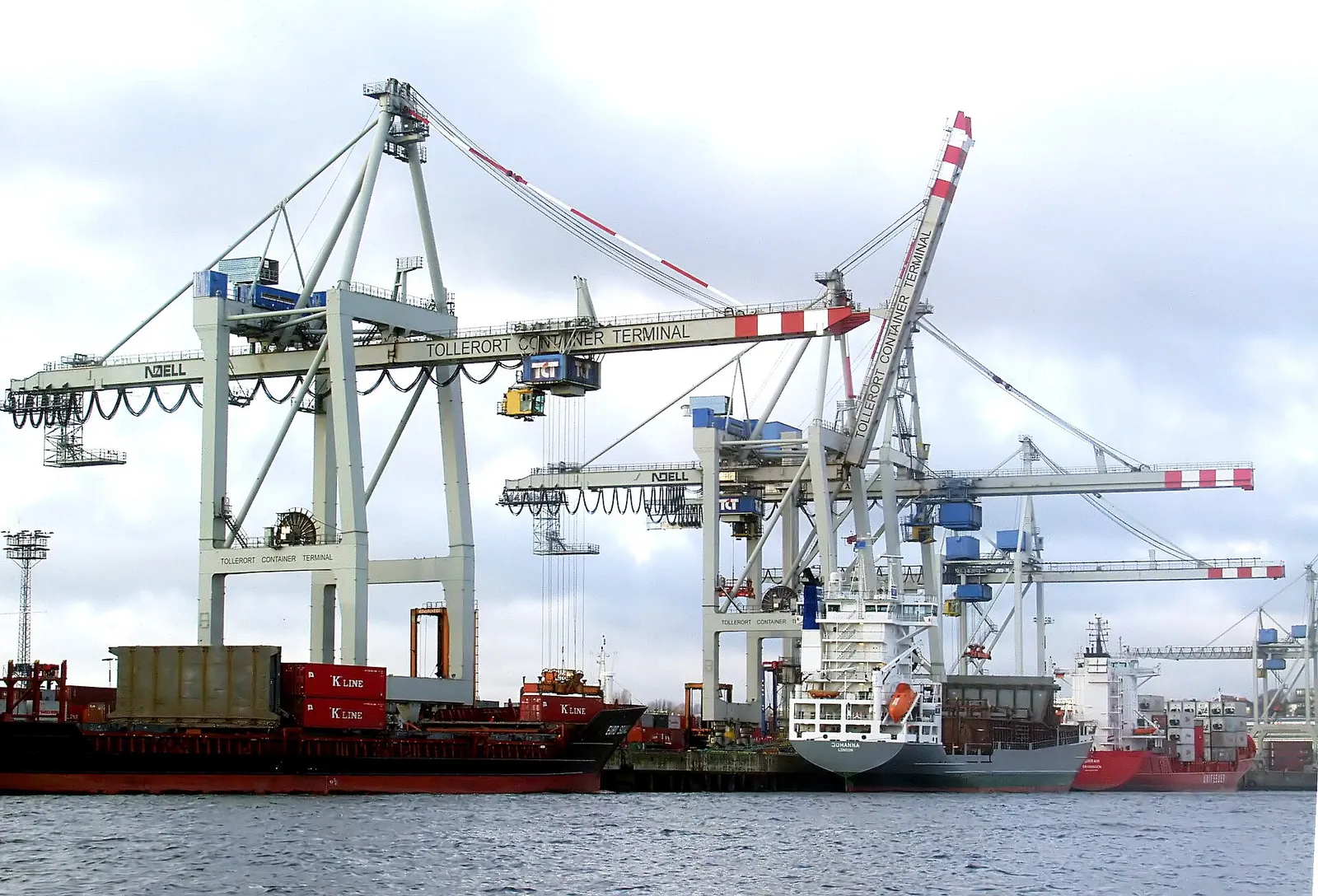
The German economy grew 0.3 percent in the second quarter against the previous quarter, slightly above the preliminary reading of 0.2 percent, the federal statistics office said. It credited improvements in exports and in wholesale and retail trade for the revision.
A tenth of a percentage point is not news by itself. What the number covers is.
Read the calendar before the figure
The second quarter runs from April to June. Almost everything that has happened to German export conditions since then falls outside it.
The 50 percent US tariff on Canadian cars, trucks, parts and steel was announced yesterday, effective January 2027. A 7.5 percent tariff on Chinese goods over overcapacity, including autos and steel, is under consideration. Neither touches Germany directly, and both change the environment a German exporter sells into, because Germany competes with Chinese vehicles in third markets and sells into North American supply chains that are being repriced.
So this is a reading of an economy that grew on exports during a window that ended before the current round of trade policy began. It is a description of the past with unusual precision about a period that has already been superseded.
Where the growth came from is the fragile part
Exports and wholesale and retail trade, which is to say external demand and the domestic distribution of goods, rather than fixed investment or construction.
Export-led growth is what Germany has always done and it is also the exposure that current policy is aimed at. An economy that grows by selling abroad is an economy whose growth rate is set partly by other governments, and the two announcements of the last day are both governments deciding what to charge for access to their markets.
The statistics office also notes the pressure from the other side. Higher oil and natural gas prices resulting from the Iran war have hampered a recovery that Germany has been waiting on for some time, and energy is the input where German industry is least able to substitute. We reported the price context this week: Brent near $93 with the Strait of Hormuz largely shut.
The forecast is the more useful number
The economy ministry has cut its 2026 growth forecast to 0.5 percent from 1 percent. That halving says considerably more than a 0.1 point revision to a quarter that has already closed.
Compounding a 0.3 percent quarter gives roughly 1.2 percent annualized, which is well above the full-year forecast. The gap between them is the ministry's judgment that the second half will be weaker than the first, and nothing announced in the last two days argues against that.
A widely followed gauge of investor morale did rise more than expected last week, on improved company earnings and export orders. That is a survey of expectations rather than a measurement of output, and it was taken before yesterday.
What to watch
Not the next GDP print, which will again describe a quarter that has ended. Watch export orders, which are forward-looking and monthly, and watch whether German producers of vehicles and steel start appearing in the exemption arguments around the American measures.
Germany is not named in either tariff announcement. Its industries are in both categories.