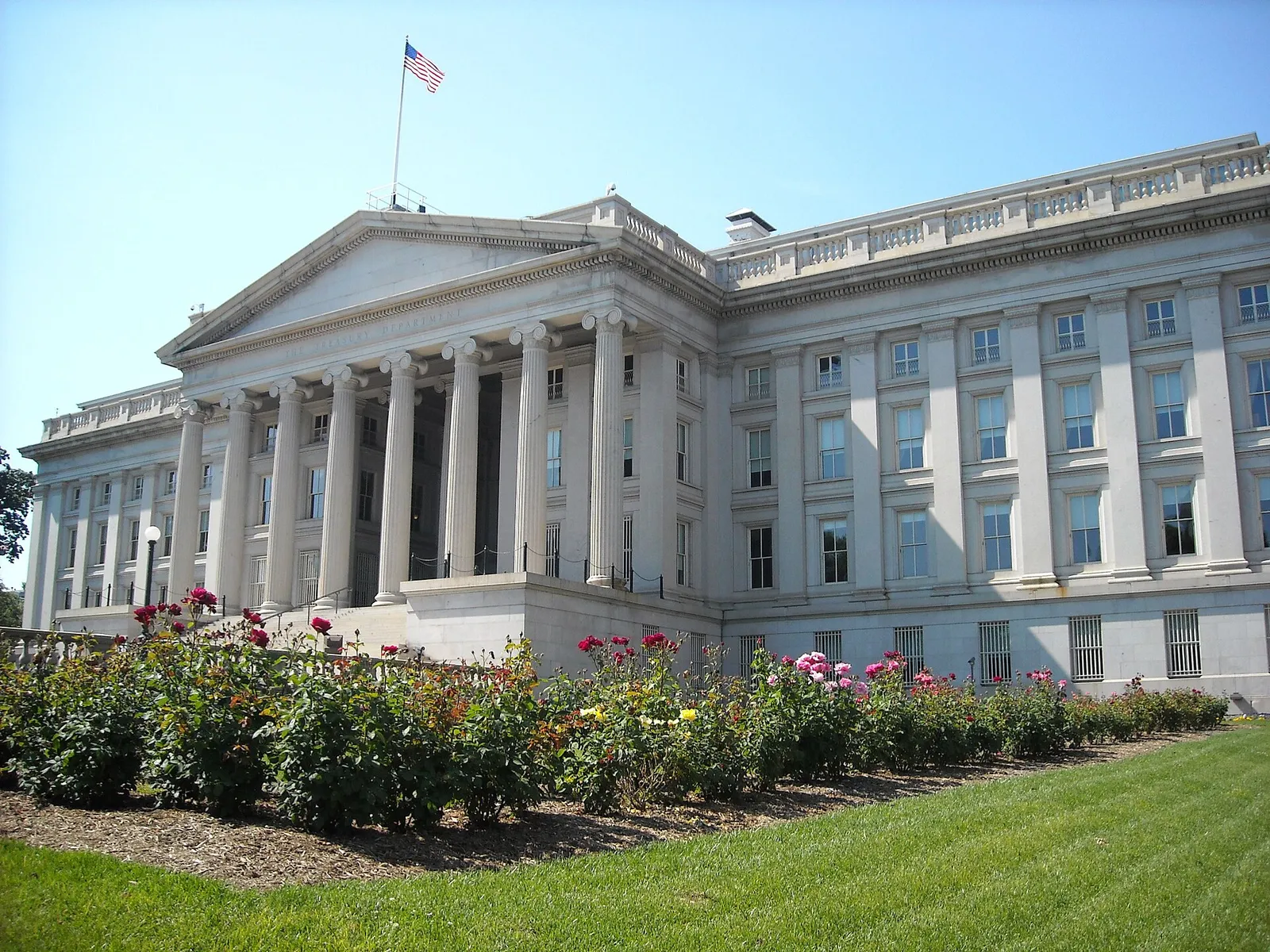
Scott Bessent set out what he has called an economic D-Day against Iran in a Financial Times opinion piece on Monday. The operative sentence is about third countries: "any nation that serves as a financial artery of a withering regime should expect to share in its isolation."
He added: "To become a sanctuary for terror is to become, in the eyes of the United States, a global pariah."
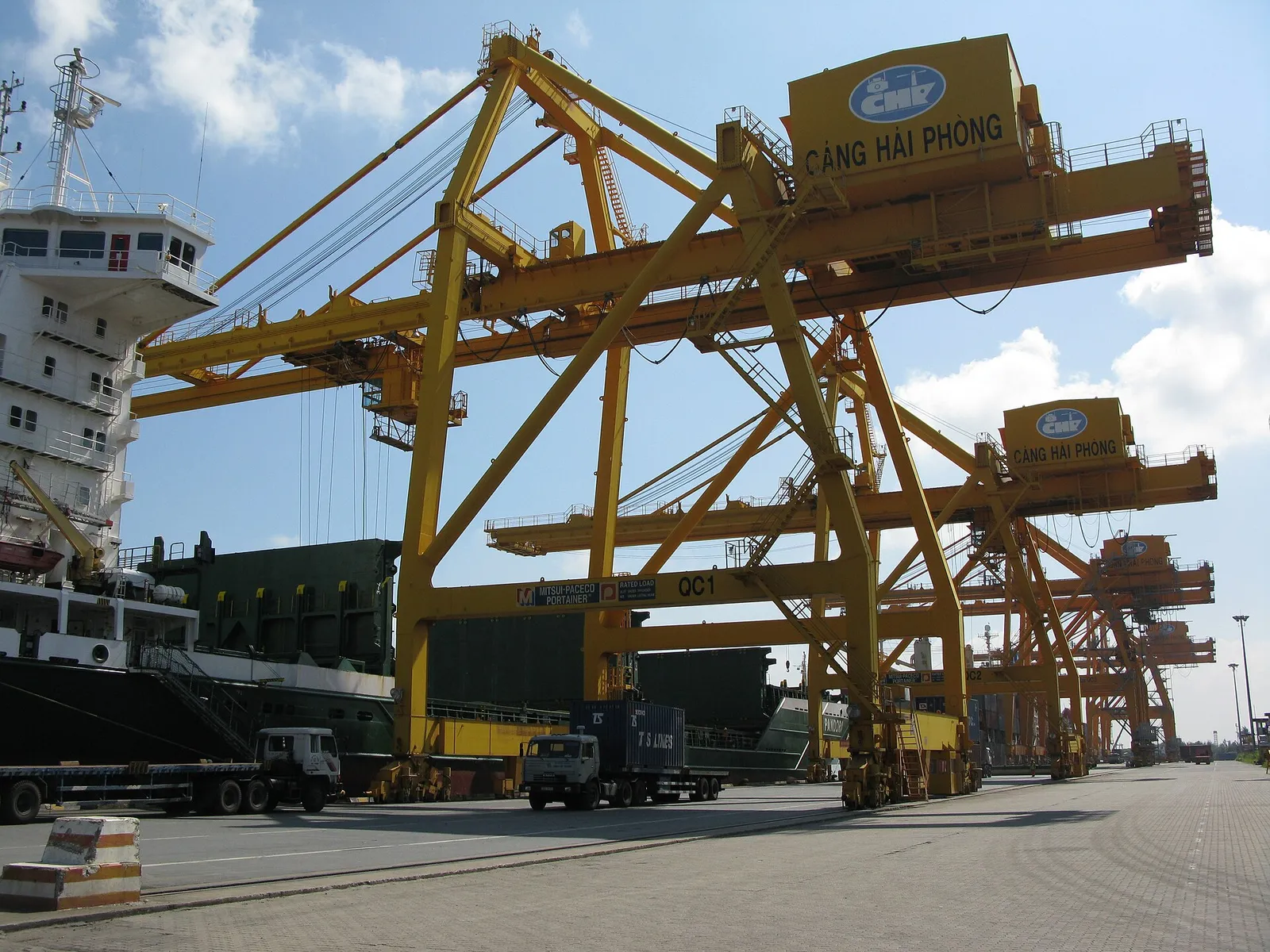
The Treasury will expand secondary sanctions against entities and countries doing business with Iran, with removal from the dollar-based financial system as the penalty. Chinese companies buying Iranian oil and handling Iran-linked transactions are specifically noted.
This is the part we said to watch
We wrote this morning, before the briefing, that secondary sanctions were the variable rather than the primary ones, because Iran's own barrels are already heavily restricted and it is the routes to market that have been holding Brent near $93 instead of $130. That is what has now been announced.
The distinction is not procedural. A sanction on Iran tells Iran it may not sell. A secondary sanction tells a bank in a third country that if it processes the payment, it loses access to dollars. The first depends on enforcement against a state that is already hostile. The second depends on the self-interest of institutions that have no interest in Iran at all and a very large interest in clearing dollars.
That is why secondary sanctions work when primary ones do not, and it is also why they are the more dangerous instrument.
The cost of using the dollar as a weapon
Every use of dollar access as leverage is also a demonstration to everyone watching that dollar access is leverage. The countries most likely to be targeted are precisely the ones with the most incentive to build alternatives, and each round gives them a fresh reason to invest in one.
That argument is well worn and it has usually proved wrong in the short term, because there is still no substitute with the depth of US Treasury markets. It is worth taking more seriously this week than usual, because the same official is presiding over both halves of the trade.
The 30-year Treasury yield is at its highest in nearly twenty years, the buyback programme launched at $4 billion an operation moved yields down briefly before they rose again, and Bessent is reported to be considering drawing on the Treasury's $950 billion general account to buy back more.
So the dollar's reach is being used as a weapon in the same week that the cost of long-dated dollar debt is at a two-decade high. We reported this morning that the increase is in the real yield rather than in expected inflation, which means lenders are charging more to hold the obligation itself. Those two facts do not have to be connected. They are uncomfortable to hold at once.
What has already moved
The United Arab Emirates has declared an embargo on trade and transactions with Iran, which matters more than a communiqué because Dubai has historically been one of the practical channels through which restricted Iranian trade has been financed and re-exported.
Iran's parliamentary speaker has argued for negotiations on the basis of economic pressure, which is the first thing in months from Tehran that reads as a position rather than a warning.
What has not moved
Oil. Brent was around $93 before the announcement and the market has spent the day pulling back rather than spiking.
That is the same message it was sending this morning: enough oil is flowing. Secondary sanctions could change that, but only through a chain that takes time. Chinese refiners have to decide the dollar risk outweighs the discount, shipping and insurance have to withdraw, and the barrels have to actually stop. None of that happens on the day of an op-ed.
The number to watch is not the announcement. It is whether Chinese purchases of Iranian crude fall over the next several weeks, and that will be visible in tanker tracking before it is visible in any official statement.