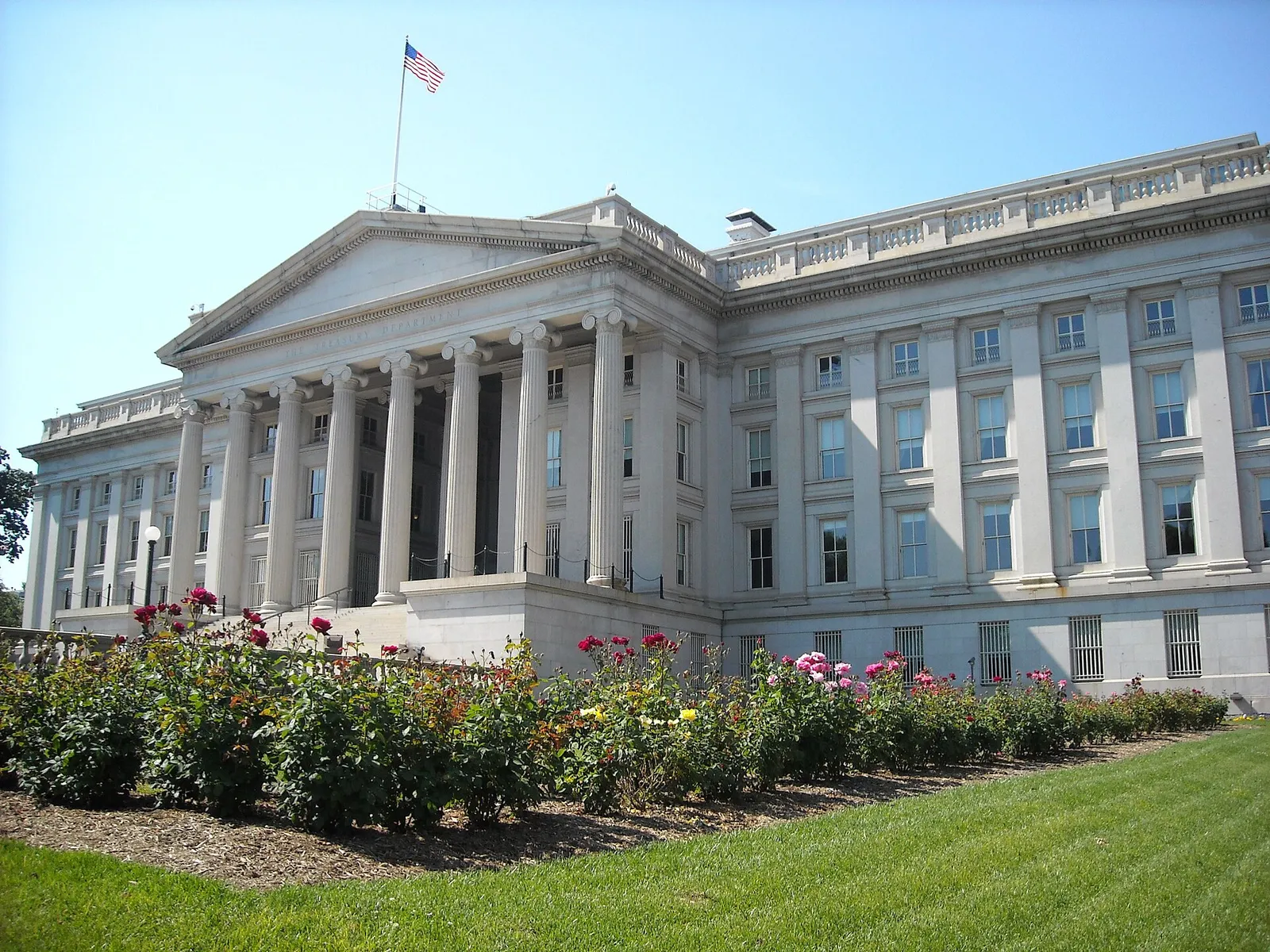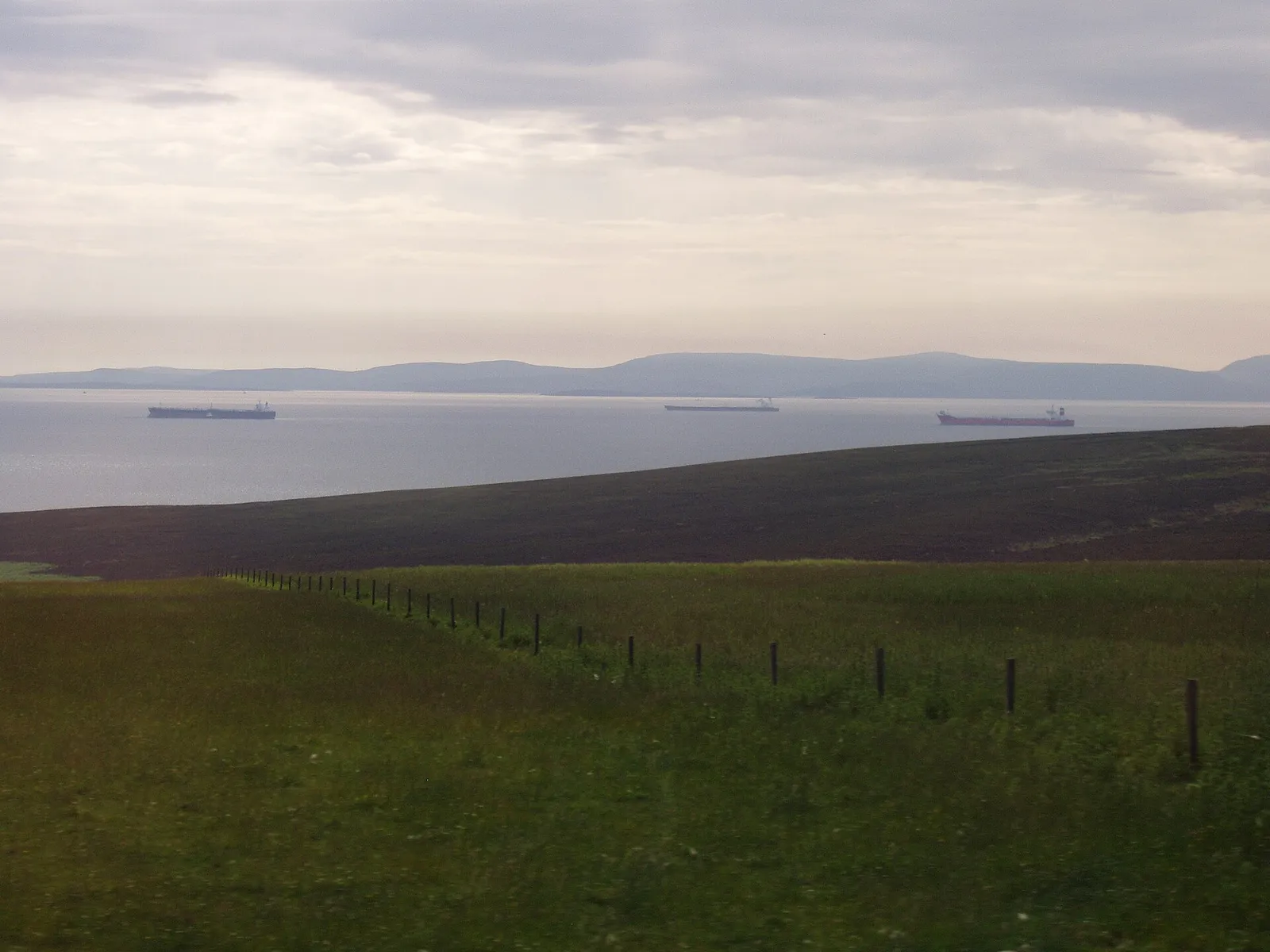
The Treasury sanctioned 60 individuals, entities and vessels and placed five sectors on notice for future sanctions: digital assets, technology, gold, aviation and shipping.
Chinese financial institutions suspected of facilitating Iran's oil trade were not on the list.
Oil fell more than $2 a barrel.
What changed between the op-ed and the designations
We reported three hours ago on Scott Bessent aiming the sanctions at everyone who trades with Iran, based on his Financial Times op-ed, which promised that any nation serving as a financial artery of the regime should expect to share in its isolation and singled out Chinese buyers.
That is what he wrote. This is what the Treasury did, and the gap between them is the story.
Bessent has explained the gap himself, and the quote is more revealing than the announcement: "We are giving everyone the opportunity to remedy bad behavior. Why would I want to blow up the global financial system?"
Read plainly, that is an official saying the maximal option exists, that he understands what using it would cost, and that he is holding it in reserve. Putting five sectors on notice rather than designating them is the same posture expressed in policy: a deadline without a date, aimed at persuading firms to withdraw voluntarily before anyone has to be cut off.
Why the Chinese banks matter more than the 60 names
Designating 60 individuals, entities and vessels is meaningful enforcement and it is not the thing that would move the oil price.
Iran's exports reach the market because someone finances and ships them, and the largest buyers are Chinese refiners paying through Chinese institutions. Sanctioning vessels raises the cost of the route. Sanctioning the banks that clear the payments closes it. The first can be worked around by changing ships, reflagging, and accepting a wider discount. The second cannot be worked around at all, which is exactly why it was not used.
The reason is in the quote. A large Chinese bank cut off from dollar clearing is not an Iran policy, it is a shock to global payments, and the same Treasury that would impose it is simultaneously trying to sell long-dated debt into a market where the 30-year yield is at a two-decade high.
The market read it correctly
Oil down more than $2 on the day of the announcement is a coherent response, and it is the same response we described this morning when Brent fell 1 percent ahead of the briefing.
The market was never pricing the rhetoric. It was pricing the barrels, and nothing announced on Monday stops barrels immediately. Traders who had been positioned for a supply shock had a reason to close those positions once the measures turned out to be calibrated.
Iran's answer
Economy minister Ali Madanizadeh said Iran is "fully prepared for the U.S. sanctions" and warned that "the enemies should wait for an attack." Iran has also signalled a further reduction in oil exports, though the reporting available to us does not attach a figure or a named commitment to that, so we are not going to characterize it as a threatened halt.
This matters because a producer voluntarily withholding barrels does what sanctions were supposed to do, and does it faster. Whether Tehran follows through on an economy that needs the revenue is the open question, and it is a harder one for Iran than for Washington.
What to watch
Not the next round of designations. The sectors on notice.
If digital assets, gold or shipping move from notice to designation, the policy has escalated. If they stay on notice for weeks, the notice was the policy, and the objective was always to get firms to leave quietly rather than to cut anyone off.